Khaby Lame, TikTok's most-followed creator with 160 million fans, appears to have orchestrated one of the most brazen pump-and-dump schemes in recent market history—and he did it on a regulated exchange, not some sketchy crypto token.
Here's how the scam worked, and why you should be furious.
In January 2026, Lame announced a $975 million deal with Rich Sparkle Holdings, a Chinese financial statement printing company that somehow convinced investors it was worth nearly $700 million at its peak. The pitch? Using Lame's "Face ID, Voice ID, and behavioral models" to build an AI empire generating $4 billion in annual revenue. If that sounds like complete nonsense, that's because it is.
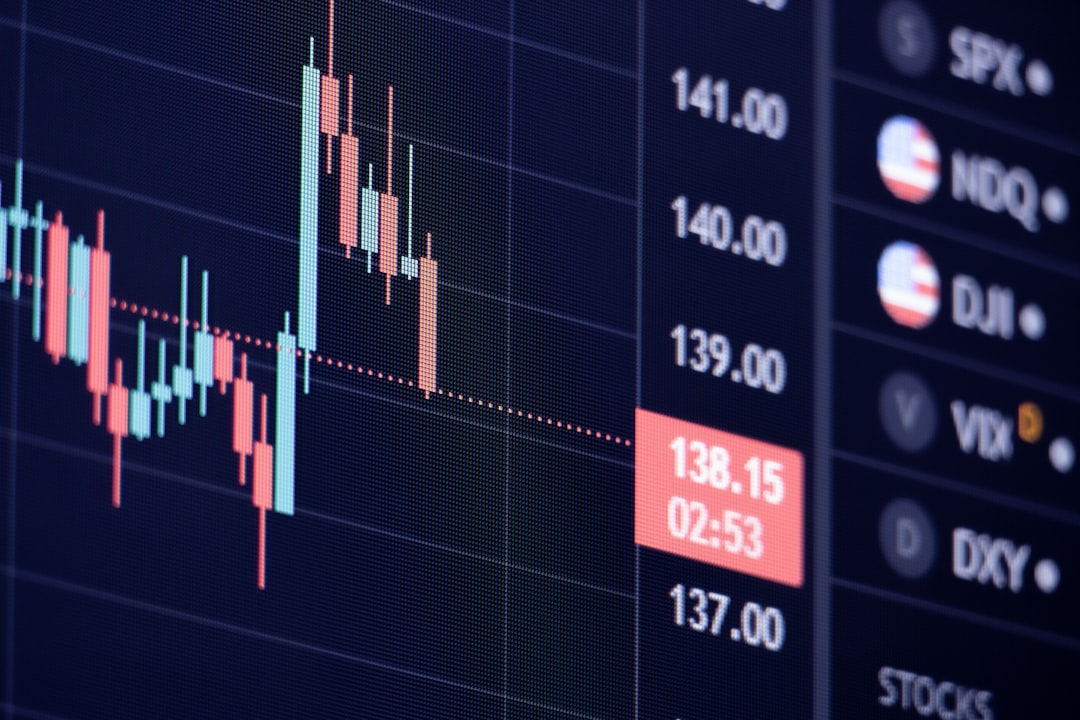
Rich Sparkle's stock (ticker: ANPA) went from $35 million to $661 million in market cap within months—a 19x return for a company that did $6 million in revenue printing financial statements. No major news. No product launches. Just a shell company pumped to the moon on the promise of turning a TikTok star into an AI billionaire.
Then came the dump. According to detailed analysis from Reddit's forensic investors, the stock collapsed in February after Lame had openly promoted the opportunity to his hundreds of millions of followers across TikTok and Instagram. He's since deleted all references to Rich Sparkle from his social media bios and hasn't commented publicly.
This isn't a Hawk Tuah coin situation where some influencer pumps a meme token and disappears. This was a Nasdaq-listed company with underwriters, filings, and the veneer of legitimacy. And that makes it so much worse.
Here's the playbook, according to market analysts who've been tracking these schemes: Chinese shell companies use offshore underwriters (in this case, Eddid Securities, the same firm behind the infamous $HKD pump) to bypass SEC scrutiny during the IPO process. They allocate shares to friendly parties who won't sell immediately, creating artificial scarcity. Then they bring in an influencer to provide the liquidity needed for insiders to dump their holdings onto retail investors.
It's The China Hustle 2.0, and regulators are asleep at the wheel.
What's particularly galling is that Bloomberg, Fortune, and other mainstream outlets covered the initial "deal" like it was legitimate business news. Now that the stock has cratered, where are the follow-up stories? Where's the SEC investigation? Where's the accountability for a scheme that likely cost retail investors tens of millions of dollars?
If you got burned by this, here's the hard truth: you're probably not getting your money back. These offshore shell companies are designed to be judgment-proof. The underwriters operate in regulatory gray zones. And Lame? He'll claim he was just a spokesperson who didn't understand the financials.
The lesson here isn't subtle: when an influencer with zero business experience suddenly becomes a "billionaire" by signing a deal with a no-name Chinese printing company, run the other way. If the business model can't be explained in plain English without buzzwords like "AI Digital Twin development," it's probably a scam.
Wall Street has spent decades perfecting ways to separate retail investors from their money. Apparently, TikTok influencers have decided to get in on the action. And until regulators actually do their jobs, expect more of this.
If they can't explain it simply, they're probably hiding something. Lame couldn't explain it at all—and that should have been your first red flag.