
Iran closed the Strait of Hormuz on Monday, threatening to attack any vessels attempting passage through the world's most critical oil chokepoint. If you're wondering what this means for your wallet, here's the short version: you're about to pay more at the pump, and your 401(k) is in for a wild ride.
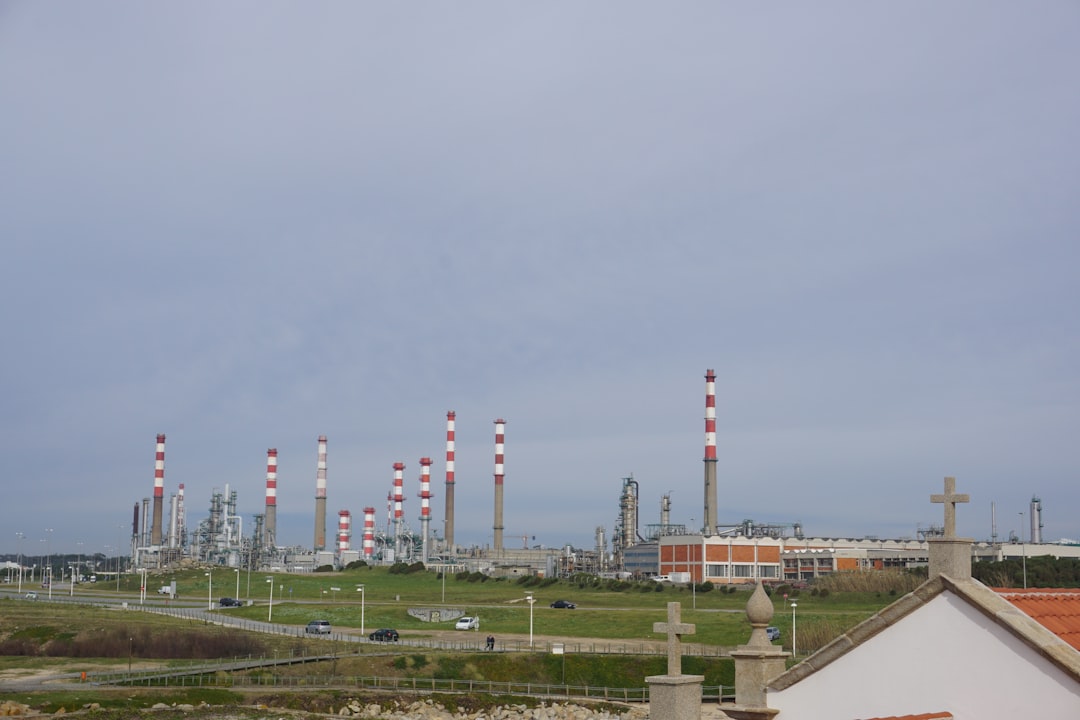
The Strait carries roughly 20% of the world's oil supply—about 21 million barrels per day. That's not a rounding error. When Iran says it's closed, global markets listen. Crude oil futures spiked above $90 per barrel Monday morning, the highest level since late 2025, and energy analysts are already warning that sustained closure could push prices past $100.
For the average American, that translates directly to gas prices. According to market watchers, analysts expect retail gas prices to jump 15-25 cents per gallon within the next week if the closure persists. Fill up now if you can—this isn't speculative fear-mongering, it's basic supply and demand.
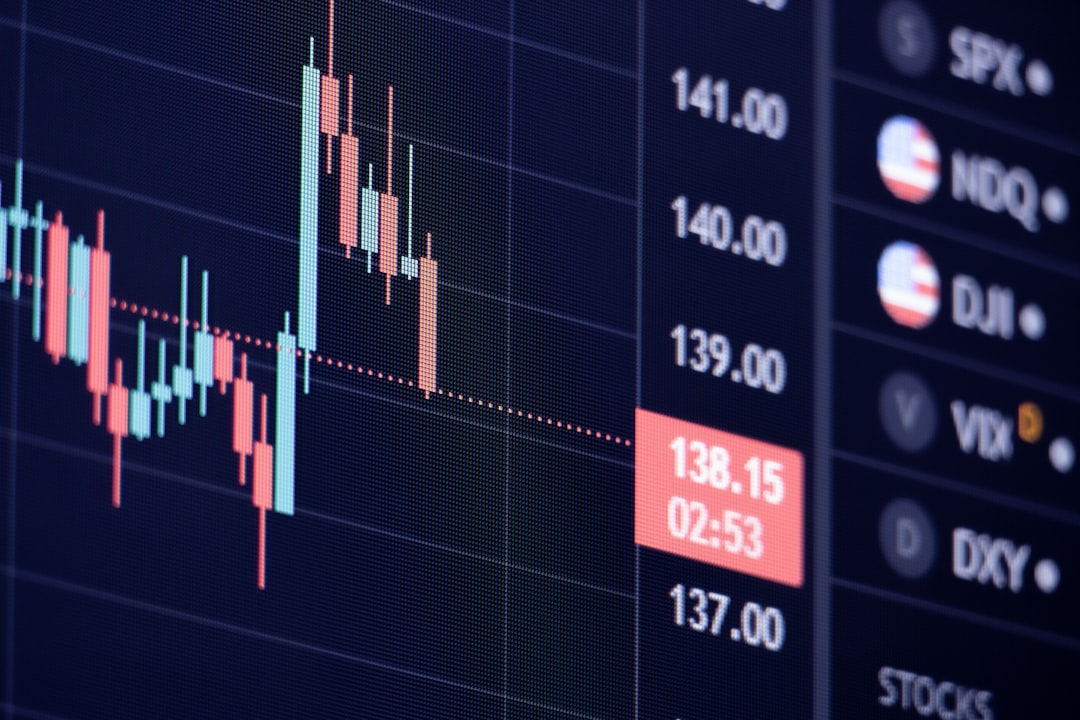
But the real damage isn't just at the pump. Your retirement account is watching this closely. Energy stocks surged Monday—names like Exxon and Chevron were up 4-6% by midday—but the broader market got hammered. The S&P 500 dropped 1.6% at the open before clawing back to positive territory by lunch, driven mostly by tech stocks and defense contractors.
Here's what Wall Street isn't telling you: geopolitical oil shocks like this are historically short-lived but brutal. When the U.S. bombed Iran back in June 2025, oil spiked 8% in a single day, then gave back half those gains within a week. The pros know this playbook—they sell into the panic, then buy the dip once cooler heads prevail.
So what should you actually do with your investments? Nothing stupid. Don't panic-sell your index funds. Don't YOLO into oil futures because some guy on Reddit made $10,000 overnight. If you're a long-term investor, this is noise. Painful, expensive noise, but noise nonetheless.
That said, if you're sitting on cash and looking for opportunities, defense stocks and energy names are getting a bid. But remember: you're not buying the war, you're buying the fear of the war. And fear is a terrible long-term investment strategy.
The Fed is watching this closely too. Inflation was just starting to cool, and now we've got an oil shock threatening to reverse that progress. Mortgage rates already jumped 13 basis points to 6.12% on Monday as Treasury yields spiked above 4%. If oil stays elevated, those 5% savings account rates you've been enjoying? They're sticking around, because the Fed isn't cutting rates anytime soon.
Bottom line: this is serious, but it's not the end of the world. Gas prices are going up. Your portfolio might get choppy. But unless this turns into a full-scale regional war, history suggests markets will stabilize once the initial shock wears off. Stay calm, don't make emotional decisions, and for the love of all that's holy, don't trust financial advice from r/wallstreetbets.