In the deeply conservative ranching counties of West Texas, an unlikely renewable energy revolution is taking root—one that defies partisan climate politics and demonstrates how economic reality can override ideological opposition to clean power.
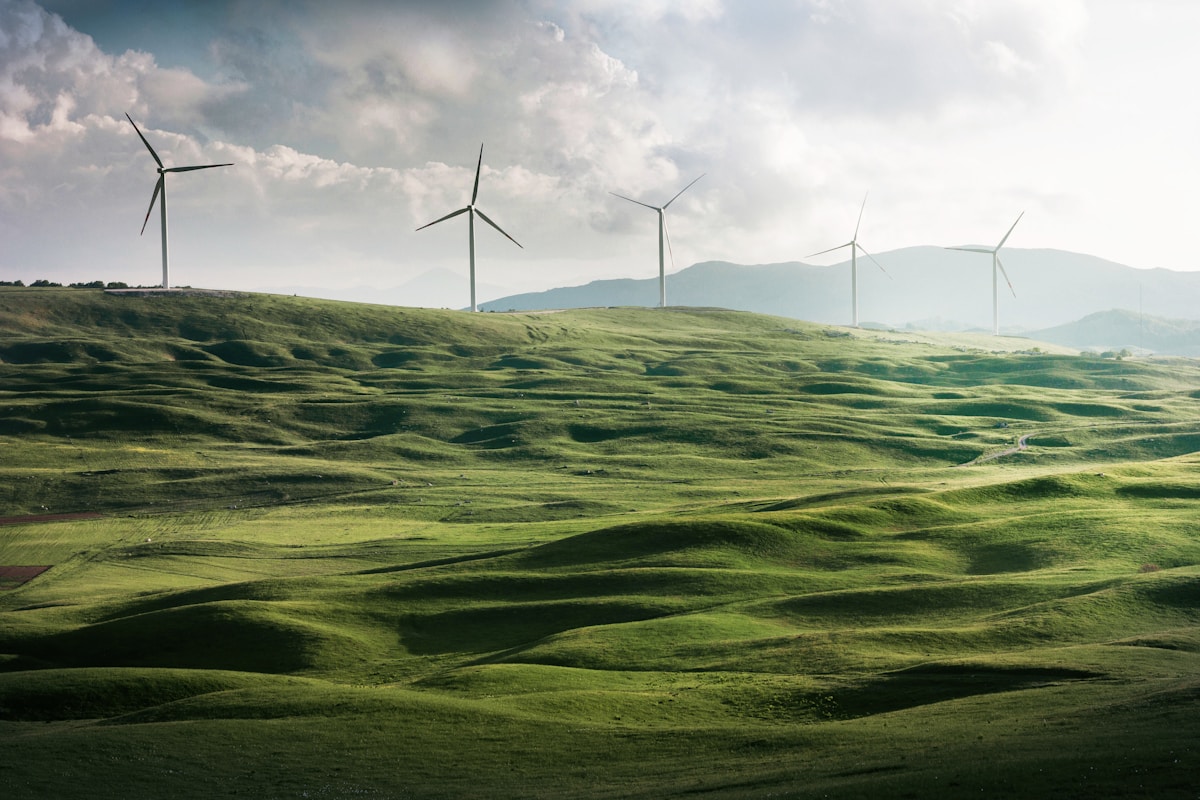
Ranchers across the Texas Panhandle and West Texas are welcoming wind turbines onto their land despite former President Donald Trump's vocal opposition to wind energy. The reason proves straightforward: wind lease payments dwarf what drought-prone rangeland can earn from cattle.
According to Dutch newspaper NRC, landowners in counties that voted overwhelmingly for Trump are among the most enthusiastic adopters of wind energy infrastructure, creating a striking disconnect between national Republican rhetoric and local economic choices.
In climate policy, as across environmental challenges, urgency must meet solutions—science demands action, but despair achieves nothing. The Texas wind boom demonstrates that renewable energy adoption need not wait for political consensus when the economics prove compelling.
Economic Calculus Trumps Political Rhetoric
A single wind turbine can generate between $3,000 and $8,000 annually in lease payments per megawatt of capacity for landowners—revenue that arrives regardless of drought, cattle prices, or market volatility. For ranchers facing increasingly unpredictable precipitation and rising operational costs, wind turbines offer rare financial stability.
Texas now leads the United States in wind energy capacity, with more than 40,000 megawatts installed—exceeding the next five states combined. Much of this capacity sits on private ranch land in counties where Trump won 70-80 percent of the vote in recent elections.
The political contradiction runs deeper than mere economics. has repeatedly called wind turbines and claimed they cause cancer, positions echoed by conservative media. Yet Republican-voting ranchers dismiss these concerns when wind companies offer lease contracts.