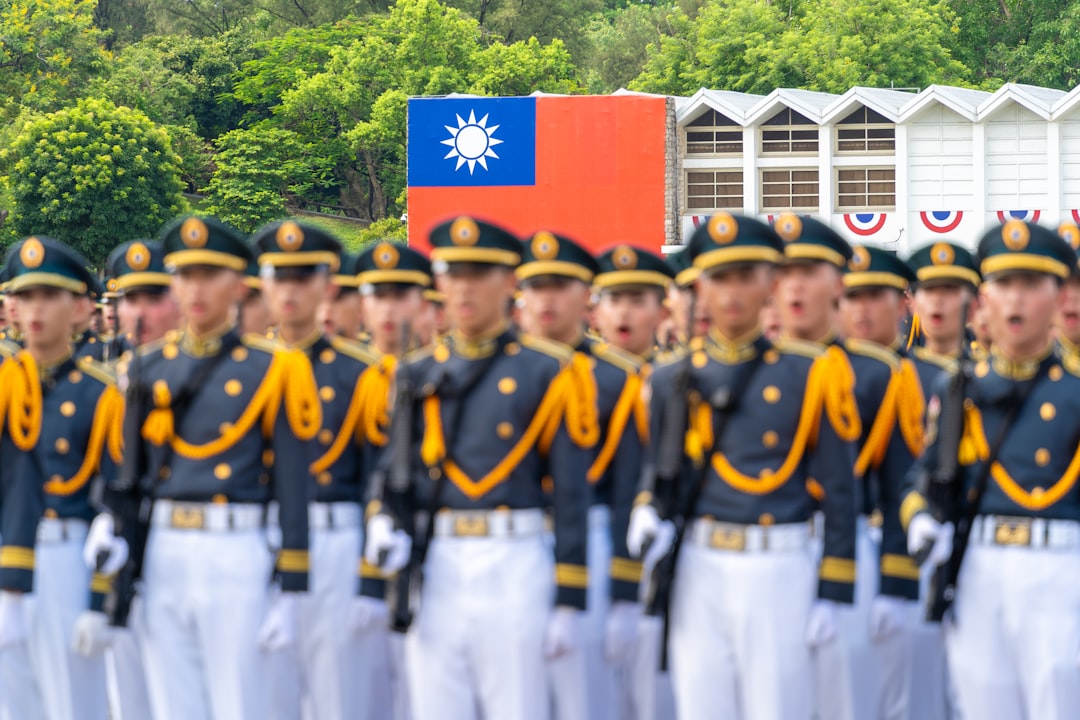
Taiwan President Lai Ching-te has cancelled a planned diplomatic visit to Africa after multiple countries revoked overflight permits, according to the BBC, in a stark demonstration of Beijing's expanding diplomatic leverage on the continent.
The cancellation represents a significant diplomatic setback for Taipei and underscores how China's economic footprint in Africa has become a tool for isolating Taiwan internationally. The trip was intended to shore up relations with Taiwan's few remaining African diplomatic allies.
Several African nations that had initially granted overflight clearances reversed their decisions in recent days, citing what sources described as economic and diplomatic considerations. While officials did not explicitly name Chinese pressure, the pattern aligns with Beijing's established practice of leveraging Belt and Road investments and development financing to enforce its One China policy.
Taiwan's Ministry of Foreign Affairs expressed disappointment with the decision, stating that such actions undermine the principle of free navigation and diplomatic engagement. The ministry did not specify which countries revoked permits, though Taiwan maintains formal diplomatic relations with only one African nation—eSwatini—following successive defections to Beijing in recent years.
China claims Taiwan as part of its territory and has systematically worked to reduce the island's international presence. The Foreign Affairs Ministry in Beijing has not issued an official statement on the cancelled trip, maintaining its typical stance of declining to comment on "internal matters."
The incident highlights the growing asymmetry in cross-strait diplomatic competition. While Taiwan once competed with China for recognition through "checkbook diplomacy," Beijing's vastly larger economic resources and comprehensive engagement across Africa have made such competition increasingly untenable for Taipei.
African nations receive substantial Chinese investment through the Belt and Road Initiative, making them particularly sensitive to Beijing's preferences on Taiwan. Trade volumes between China and Africa exceeded $280 billion in 2025, according to Chinese customs data, giving Beijing considerable economic leverage.
For President Lai, who took office with a mandate to defend Taiwan's sovereignty, the cancelled trip underscores the practical constraints on Taiwan's diplomatic space. His administration has sought to maintain Taiwan's international profile through unofficial relationships with major powers and participation in international organizations, but African engagement remains limited.
The timing is particularly sensitive as Washington and Beijing navigate tense relations over trade, technology, and regional security. Taiwan's diminishing diplomatic footprint in Africa reduces its leverage in multilateral forums and symbolically reinforces China's narrative of inevitable reunification.
Analysts note that China's approach in Africa differs from its more confrontational tactics in the Taiwan Strait or South China Sea. Rather than military pressure, Beijing employs economic statecraft—offering infrastructure financing, trade agreements, and development partnerships that create dependencies difficult for smaller nations to resist.
Watch what they do, not what they say. In East Asian diplomacy, the subtext is the text.