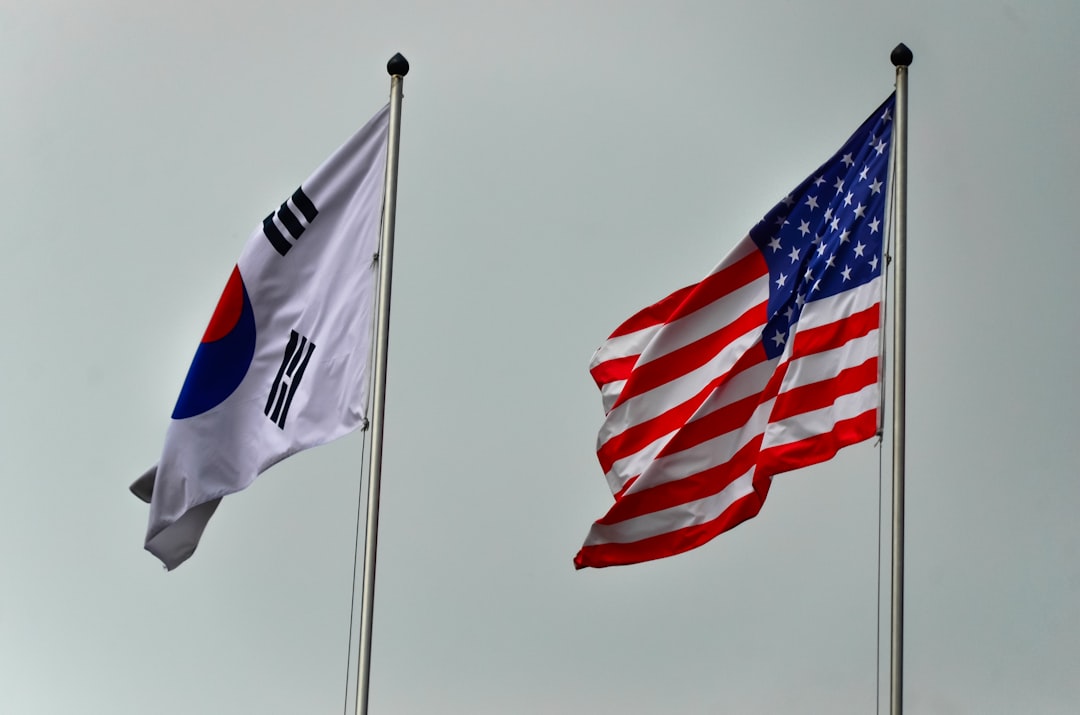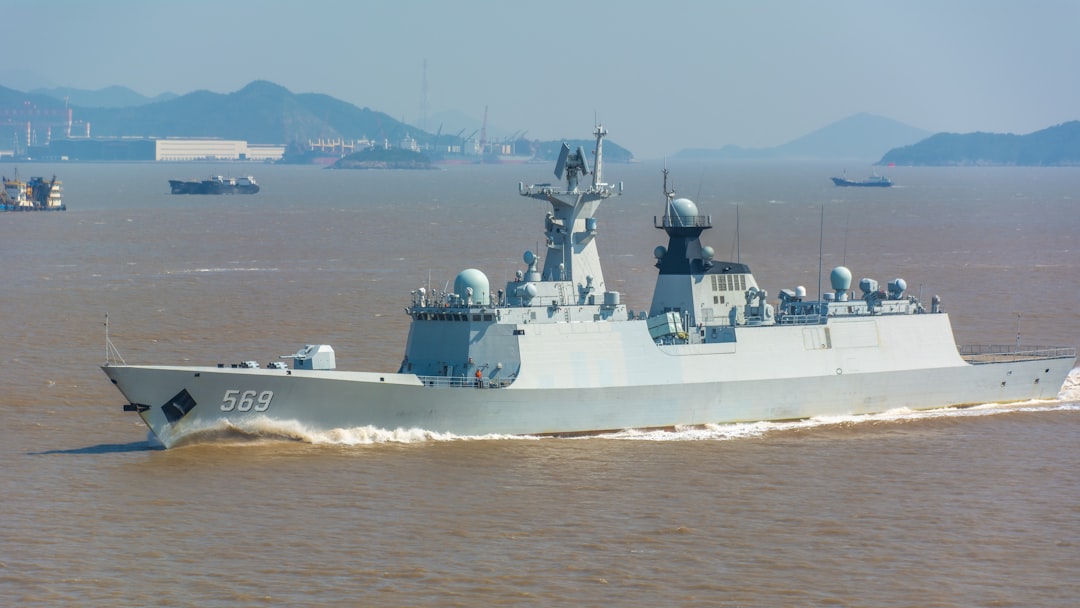
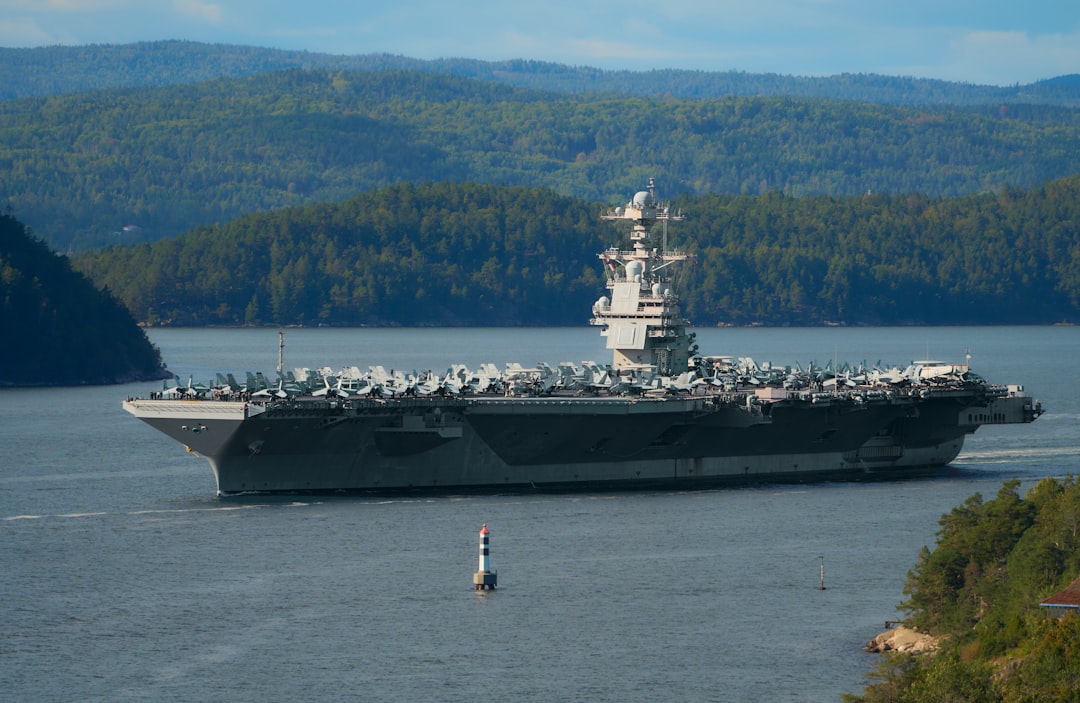
China dispatched the Sichuan, its first Type 076 amphibious assault ship, to the South China Sea in mid-April for sea trials, marking a significant development in the People's Liberation Army Navy's capabilities. The deployment occurred as nearly 19,000 troops from six nations participated in joint exercises led by the United States in waters that China claims as its own.
The Sichuan, which completed its maiden sea trial in November after launching at Hudong-Zhonghua Shipbuilding in Shanghai, represents China's asymmetric response to American carrier strike group dominance in the Pacific. Unlike traditional aircraft carriers that deploy manned fighter jets, the Type 076 is designed as a drone-carrier platform capable of launching unmanned aerial vehicles alongside conventional amphibious assault functions.
According to naval analysts, the vessel can transport landing craft, troops, armored vehicles, and aircraft for amphibious operations. Its drone capabilities allow China to project power at significantly lower cost and risk than conventional carrier aviation, a technological approach that bypasses decades of American naval aviation experience.
In China, as across Asia, long-term strategic thinking guides policy—what appears reactive is often planned. The deployment timing coincided precisely with exercises involving the Philippines, Japan, Australia, Canada, France, and New Zealand conducting maritime strikes, counter-landing operations, and air and missile defense drills. United24Media reported that Admiral Samuel Paparo stated deterring China remains the US military's highest duty in the region.
Simultaneously, China's first aircraft carrier, the Liaoning, transited the Taiwan Strait carrying eight J-15 fighter jets and three helicopters, also heading toward the South China Sea. The coordinated movements demonstrate Beijing's ability to maintain sustained naval presence during heightened regional tensions.
The Type 076 addresses a critical challenge in China's military modernization: how to contest American carrier groups without matching them ship-for-ship. Drone carriers require smaller crews, incur lower operational costs, and eliminate pilot risk in contested airspace. They can deploy swarms of unmanned systems for reconnaissance, electronic warfare, and potential strike missions—capabilities that could overwhelm traditional carrier defenses designed for manned aircraft threats.
For Taiwan, which Beijing has never renounced using force to reunify with the mainland, the Sichuan represents an enhanced amphibious assault capability. The vessel's design emphasizes troop and vehicle transport for landing operations, a core requirement for any cross-strait military action.
Regional observers note the deployment follows established patterns in China's South China Sea strategy: gradual capability enhancement paired with assertions of sovereignty in disputed waters. The exercises near Scarborough Shoal, an area contested by the Philippines and China, underscore the geographic scope of Beijing's maritime claims.
Western analysis often frames such deployments as provocative, while Chinese official perspectives emphasize routine training in China's own waters. The reality reflects competing visions of Indo-Pacific order: Washington's alliance-based freedom of navigation versus Beijing's insistence on primacy in its near seas.
The technological trajectory China has pursued with the Type 076 mirrors broader defense priorities outlined in the 14th Five-Year Plan: informatization, intelligentization, and integration of unmanned systems. Rather than attempting to replicate the American carrier model developed over a century, Beijing has invested in technologies that could neutralize carrier advantages through saturation attacks and asymmetric tactics.
As the Sichuan conducts sea trials in contested waters, its presence signals not merely a new ship but a strategic approach to naval competition. Whether drone carriers can fulfill their theoretical promise in actual combat remains unproven, but their development reflects China's methodology: identify opponent vulnerabilities, invest in offsetting capabilities, and deploy them in ways that maximize political and military effect.
The exercises will continue through May, with both allied forces and Chinese naval assets operating in proximity. For now, the message from all sides emphasizes readiness, a familiar dynamic in waters where contested sovereignty meets great power competition.