
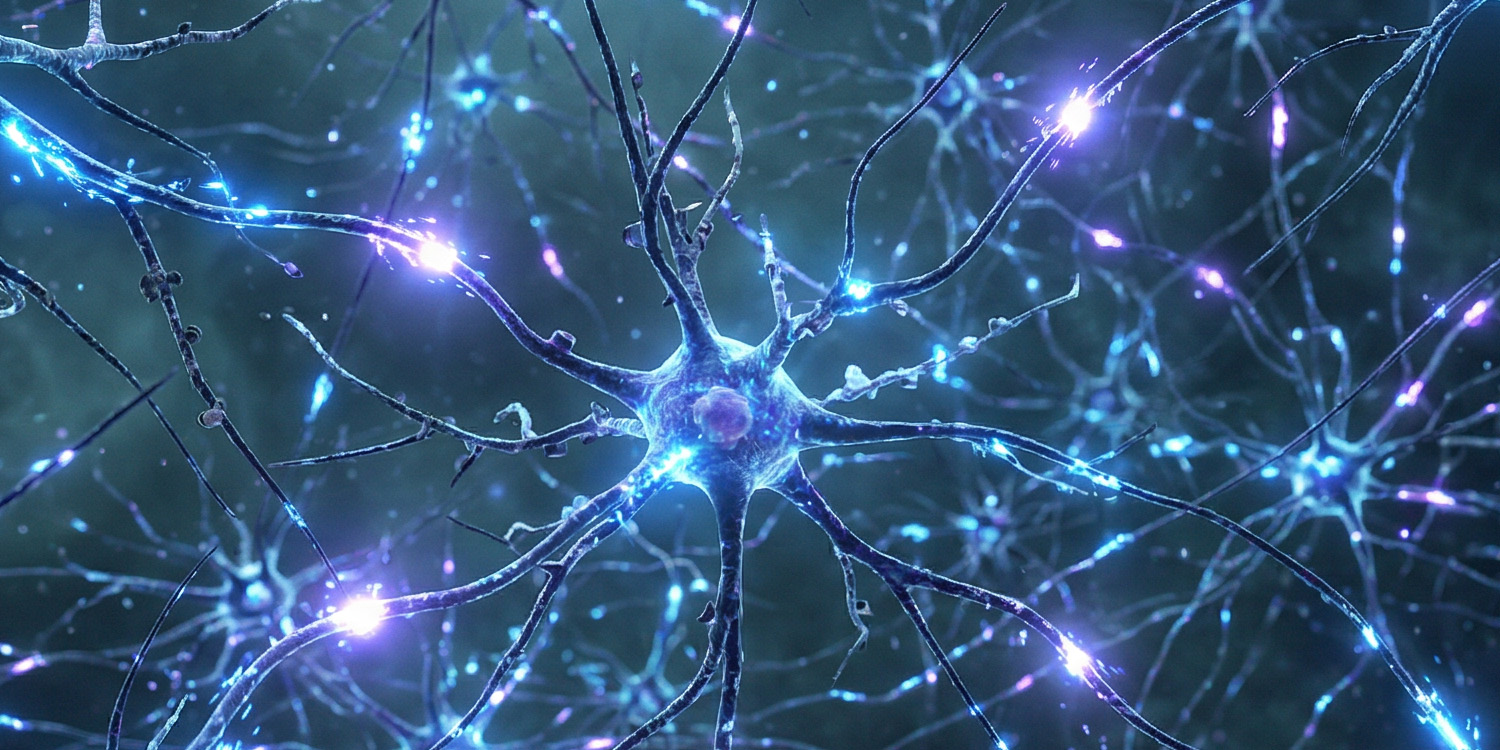
For decades, neuroscience operated under a depressing assumption: you're born with all the neurons you'll ever have, and it's downhill from there. A new study published in Alzheimer's & Dementia is rewriting that story—and the findings from "superager" brains are nothing short of remarkable.
Superagers are individuals in their 80s and 90s who maintain memory capacity equivalent to people 30 years younger. They're the cognitive unicorns of aging research. And it turns out their brains are doing something scientists once thought was impossible: actively producing new neurons well into old age.
The research, led by Ahmed Disouky and Jalees Rehman at the University of Illinois Chicago, analyzed post-mortem brain tissue from superagers, typical older adults, and patients with Alzheimer's disease. Using single-cell sequencing, they examined hundreds of thousands of individual cells in the hippocampus—the brain's memory center.
The contrast was stark. Superagers showed neurogenesis levels twice as high as other healthy older adults. Meanwhile, Alzheimer's patients generated almost no new neurons at all. Even more telling: people with early cognitive decline showed a sharp drop in neuron production, suggesting that neurogenesis breakdown occurs early in the disease process.
This challenges decades of neuroscience dogma. For years, adult neurogenesis in humans was considered controversial at best, nonexistent at worst. Sure, we saw it in mice and rats, but human brains? The evidence was always murky, with conflicting studies and methodological debates.
Now we have compelling evidence that not only does adult neurogenesis happen, but its level may be a key distinguishing feature between cognitive resilience and decline. Superagers aren't just maintaining their existing neurons better—they're actively growing new ones.
The mechanism appears to involve something called chromatin accessibility—essentially, how easily the cellular machinery can access genes needed for neuron production. Superager brains maintain open chromatin landscapes, keeping the neural stem cell production line running. In Alzheimer's brains, that accessibility collapses.
Now, the caveats. This study relied on relatively small sample sizes—post-mortem brain tissue from cognitive superstars isn't exactly abundant. The researchers were careful to note that We're looking at trends, not ironclad proof.