
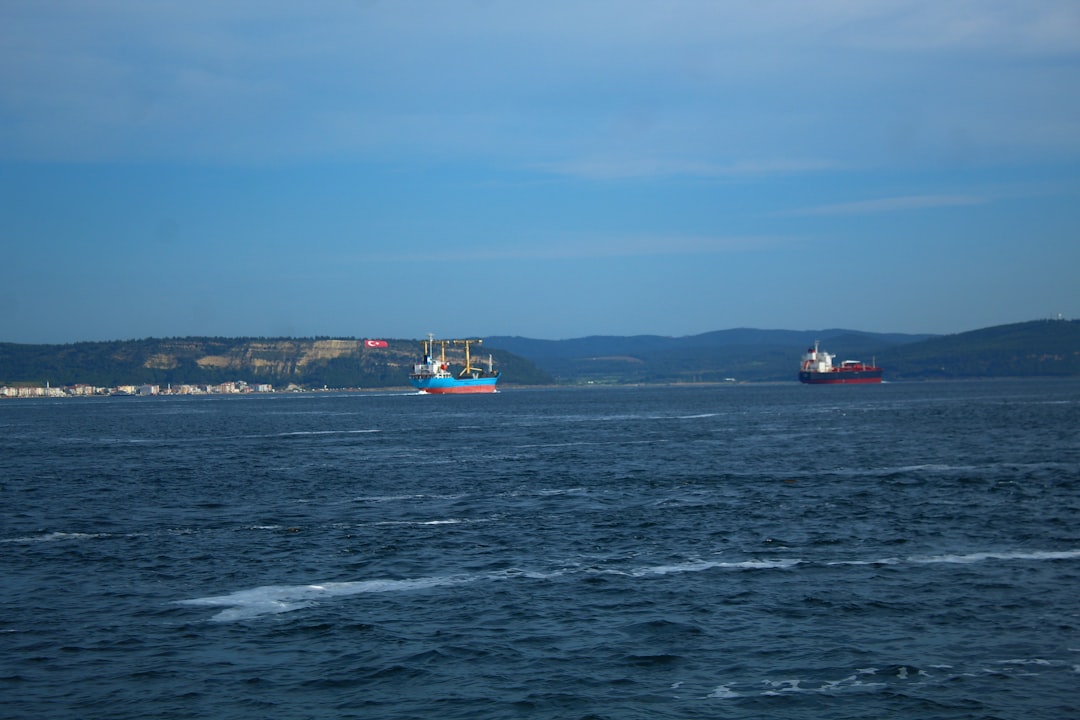
Iranian forces have damaged or stopped thirteen vessels attempting passage through the Strait of Hormuz while allowing thirty-two others to transit freely, demonstrating a selective enforcement strategy that maximizes economic pressure while maintaining plausible claims of navigational access.
The pattern of interdiction reveals calculated targeting rather than comprehensive blockade, with Iranian forces apparently distinguishing between vessels based on flag state, cargo destination, and ownership structures. The approach imposes significant costs on maritime commerce while avoiding some of the international legal complications of a declared total closure.
Vessels damaged, destroyed, or blocked include the Skylight (Palau), MKD Vyom (Marshall Islands), Athe Nova (Honduras), Hercules Star (Gibraltar), Gold Oak (Panama), Libra Trader (Marshall Islands), Safeen Prestige (Malta), Mussafah 2 (UAE), Mayuree Naree (Thailand), ONE Majesty (Japan), Star Gwyneth (Marshall Islands), Source Blessing (Liberia), and Safesea Vishnu (Marshall Islands).
Meanwhile, vessels successfully transiting include multiple Iranian-flagged ships, Indian naval and commercial vessels, Pakistani ships, Chinese container carriers, Turkish tankers, and various convenience-flag vessels apparently assessed as carrying non-targeted cargo or destined for approved destinations.
In Iran, as across revolutionary states, the tension between ideological rigidity and pragmatic necessity shapes all policy—domestic and foreign. The selective Hormuz strategy reflects this tension perfectly—ideologically demonstrating sovereignty over critical waterways while pragmatically preserving relationships with neutral or friendly states whose commerce continues flowing.
The Strait of Hormuz channels approximately one-fifth of global oil supply and significant liquefied natural gas volumes through a passage just 21 miles wide at its narrowest point. Iranian control of the northern shore provides geographic advantage that military planners have long identified as strategic leverage.