
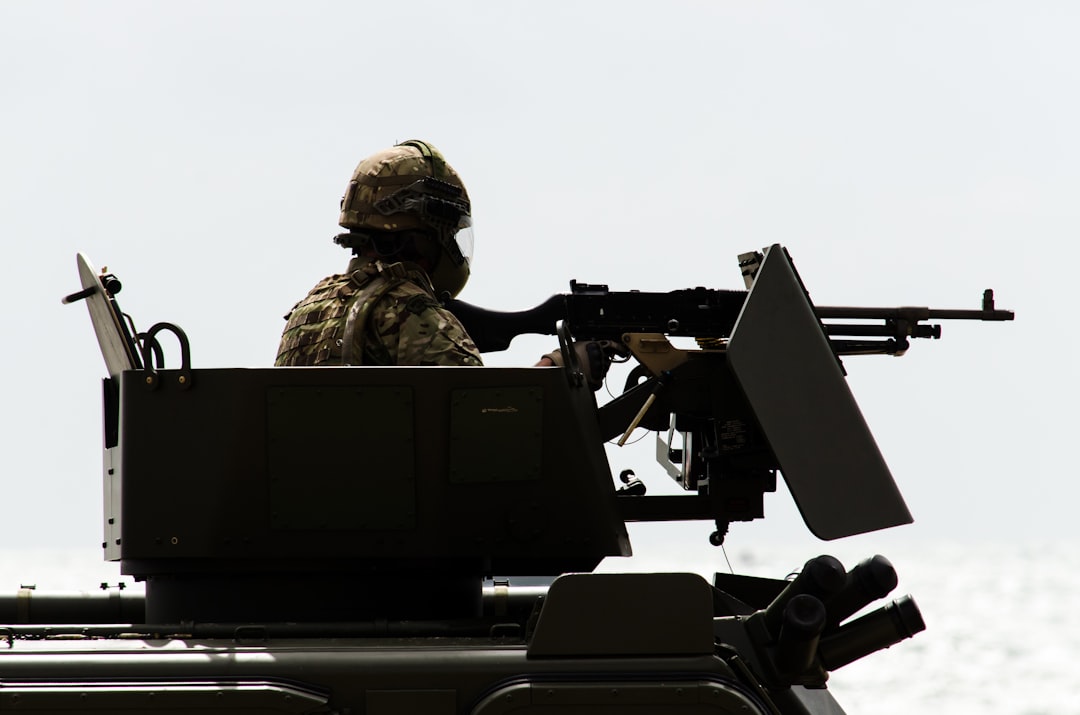
Keir Starmer is preparing to announce an £18 billion increase in defence spending over the next five years, positioning Britain as a major military power in an era of American unpredictability and European vulnerability.
The announcement, expected within days, comes as the Pentagon suspends deployment of 4,000 troops to Poland, a decision that has sent shockwaves through Eastern Europe and accelerated calls for European defence integration. Downing Street sources suggest the Prime Minister sees this as a defining moment for post-Brexit British foreign policy—a chance to claim the mantle of European security leadership that has sat vacant since Angela Merkel's departure.
The spending boost would take Britain's defence budget to 2.5% of GDP, fulfilling a long-standing NATO target that successive governments have promised but failed to deliver. As they say in Westminster, "the constitution is what happens"—precedent matters more than law. And the precedent here is clear: British governments talk about global leadership while cutting defence budgets. This represents a genuine pivot.
According to officials familiar with the plans, the additional funding will focus on naval expansion, cyber capabilities, and European theatre deployments. The Royal Navy would receive new frigates and enhanced submarine capabilities, while cyber defence units would be expanded to counter Russian and Chinese digital threats. Perhaps most significantly, Britain would commit to maintaining permanent troop deployments in Estonia and Poland—the kind of hard guarantee that reassures nervous Eastern European allies in ways that NATO declarations cannot.
The political calculation is transparent but not unwise. Labour has long struggled to shake Conservative attacks on defence credibility, a vulnerability that has cost the party dearly in past elections. By outflanking the Tories on military spending, Starmer neutralizes a traditional weakness while claiming the mantle of serious statecraft.