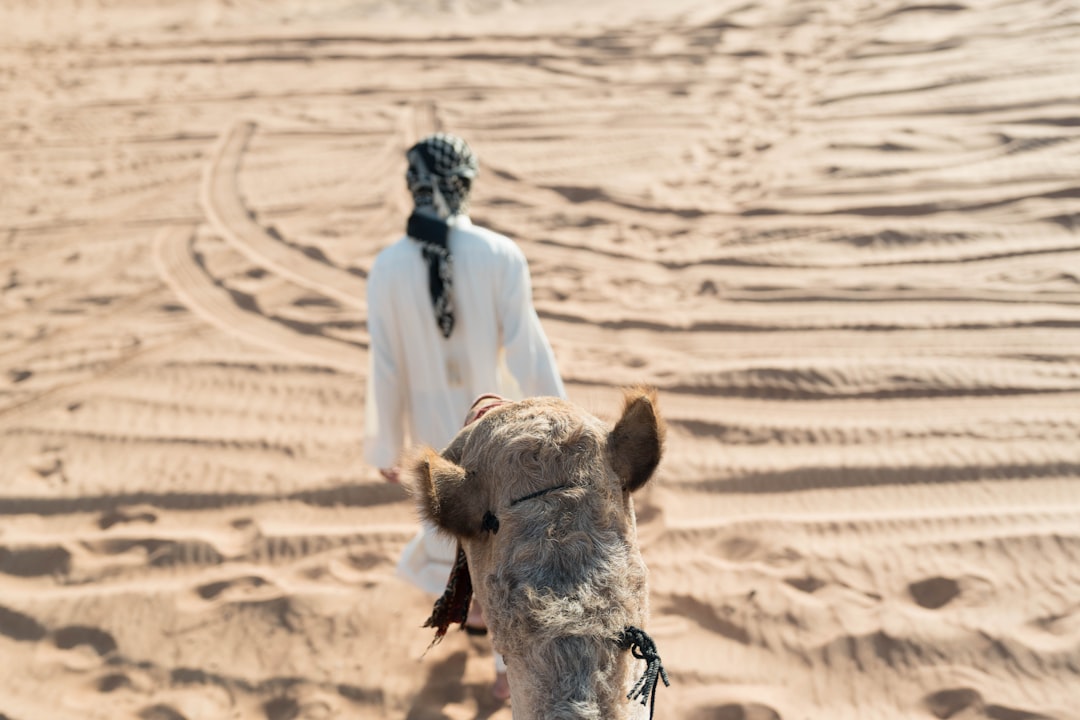
The United Arab Emirates has implemented regulations restricting the wearing of kandura—traditional Emirati national dress—in social media content and advertisements to UAE citizens only, reported by Khaleej Times.
The policy, which commenced in April 2025, addresses concerns about cultural misrepresentation in commercial content. Dr. Jamal Mohammed Al Kaabi, Secretary-General of the National Media Authority, explained that "many of you were upset by advertisements presented by some wearing Emirati attire, especially in real estate, using broken non-Emirati dialects."
The restriction emerged from Federal National Council discussions about rapid cultural changes. FNC member Naema Al Sharhan noted signs of distortion in presenting local cultural symbols "in a superficial or incorrect manner, or as commercial products." Abdulla bin Mohammed bin Butti Al Hamed, Chairman of the National Media Office, confirmed enforcement ensures only Emirati citizens can wear the national dress while speaking in Emirati dialect during media presentations.
In the Emirates, as across the Gulf, ambitious visions drive rapid transformation—turning desert into global business hubs. But that cosmopolitan success brings tensions between international appeal and cultural preservation. The UAE's population is approximately 90 percent expatriate, creating unique pressures on national identity that smaller, more homogeneous Gulf states don't face.
Dr. Al Kaabi emphasized respect for all nationalities while protecting local identity. "You're from another nationality, it's fine to wear your clothes, we respect that, absolutely," he stated. "But it is not acceptable to affect people's feelings when the person presenting this content is wearing Emirati attire and he is not Emirati."
The policy targets specific scenarios including non-Emiratis wearing traditional dress while speaking fractured dialects in commercial promotions, and advertisements depicting inappropriate behavior contradicting local values while dressed in national attire. Real estate marketing—a sector dominated by expatriate salespeople serving Dubai's international property market—appears particularly affected.
The regulation reflects broader Gulf dynamics where rapid modernization and diversification strategies require massive expatriate workforces, yet governments seek to preserve distinct national identities. Saudi Arabia has implemented similar measures protecting national symbols, while Qatar restricts certain garments to citizens.
For content creators and advertisers in the Emirates' lucrative social media economy, the policy creates clear boundaries. International influencers promoting UAE tourism, business, or real estate must now present content in their own cultural attire rather than adopting Emirati dress for perceived authenticity or appeal.
The move demonstrates how Gulf states navigate their transformation from oil economies to diversified business hubs while maintaining cultural sovereignty over national symbols—even as those symbols become marketing tools in globally-oriented economies built substantially on expatriate labor and international investment.