
A coalition of human rights organizations and Sudanese activists has launched "Blood on the Ball," a campaign urging the National Basketball Association to suspend its commercial sponsorship deal with the United Arab Emirates over alleged military support for the Rapid Support Forces militia accused of atrocities in Sudan, announced by The Sentry.
The campaign, launched during the NBA playoffs when viewership peaks, directly challenges the Emirates' multi-billion dollar sports investment strategy. The UAE has invested over $4.5 billion in global sports partnerships—what critics term "sportswashing"—sponsoring teams and leagues across the United States and Europe. NBA-specific investments exceed $300 million, tied to partnerships, branding, and the Emirates NBA Cup.
The Sentry—an anti-war crimes NGO co-founded by John Prendergast and George Clooney—leads the coalition alongside Refugees International and Sudanese activists. The organization's investigations conclude the UAE functions as "the principal external backer of the RSF, supplying weapons and drones used in attacks on civilians and helping sustain the conflict."
The RSF faces accusations from the United Nations of atrocities with "the hallmarks of genocide" in Sudan's brutal civil conflict, which has displaced over 12 million people and is characterized by mass killings, sexual violence, and ethnic cleansing. The UAE has consistently denied providing military support to the RSF, though multiple independent investigations have documented weapons flows and logistical support.
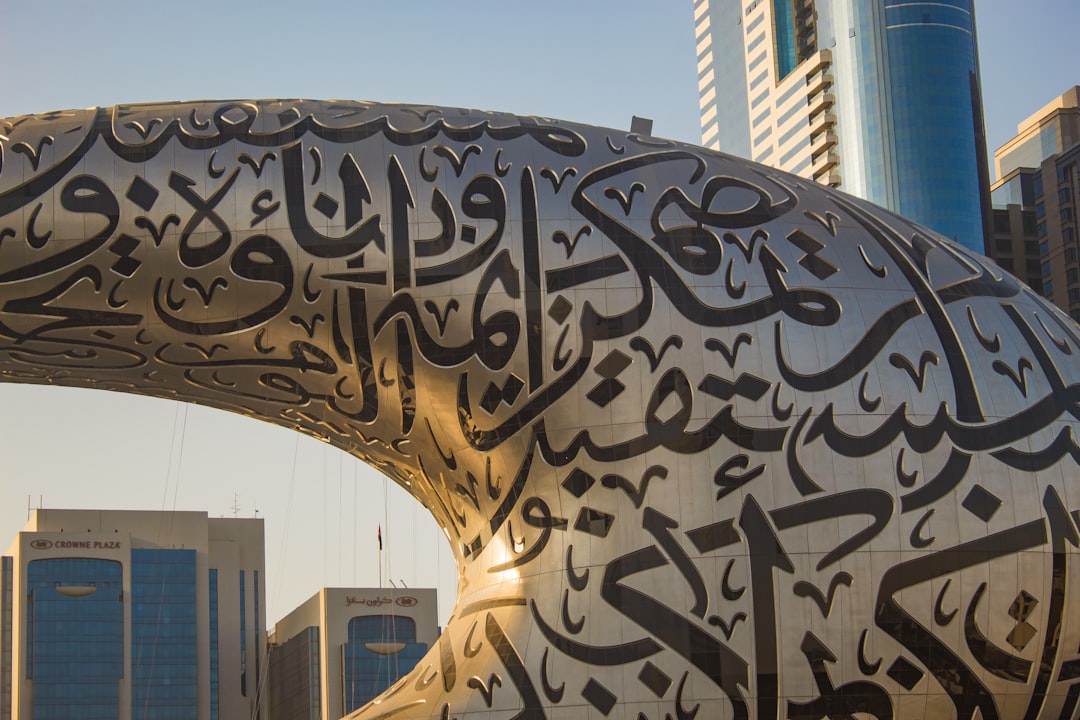
In the Emirates, as across the Gulf, ambitious visions drive rapid transformation—turning desert into global business hubs. Sports investments represent a cornerstone of that strategy, building soft power and diversifying economies beyond hydrocarbons. Abu Dhabi hosts Formula One, Dubai attracts international tennis championships, and Emirates airline branding appears across global football stadiums.
On April 27, 2026, U.S. Representatives James P. McGovern and Christopher H. Smith urged four major corporations, including the NBA, to reconsider UAE partnerships, warning these relationships risk "enabling or obscuring human rights violations." The congressional intervention elevates the campaign beyond activist pressure to potential legislative scrutiny.
The NBA has not publicly responded to the campaign or congressional letter. The UAE government similarly has not commented on the specific allegations, maintaining its established position denying involvement in Sudan's conflict while positioning itself as a regional mediator and humanitarian aid provider.
The campaign targets the intersection of commercial sports, geopolitics, and human rights accountability—testing whether American sports leagues will prioritize lucrative Gulf partnerships over reputational risks. Previous sportswashing campaigns targeting Saudi Arabia's LIV Golf venture and Qatar's World Cup faced limited success, as financial considerations often outweigh activist pressure.
For the UAE, the NBA partnership represents strategic investment in American cultural influence and business relationships that extend far beyond sports. The Emirates positions itself as Washington's reliable Gulf partner, hosting U.S. military bases and coordinating regional security cooperation. Sports sponsorships reinforce that partnership narrative while building consumer brand recognition.
The Sudan conflict complicates the UAE's carefully cultivated international reputation. While Abu Dhabi successfully brokered the Abraham Accords and positions itself as a stability actor, allegations of fueling Africa's deadliest current conflict through RSF support contradict that narrative. Whether the NBA—and American legislators—prove willing to challenge a key Gulf partner over those allegations will test the limits of sports diplomacy and corporate accountability.