Respected spaceflight analyst Scott Manley has released a detailed critique of NASA's investigation into the Boeing Starliner thruster failures that stranded two astronauts on the International Space Station last year, arguing the agency's report fails to adequately explain what went wrong or how similar failures will be prevented.
Manley, a former software engineer and prominent science communicator with expertise in orbital mechanics and spacecraft systems, identifies multiple gaps in NASA's official findings. His analysis raises accountability questions about how thoroughly the agency examined Boeing's troubled commercial crew vehicle before clearing future flights.
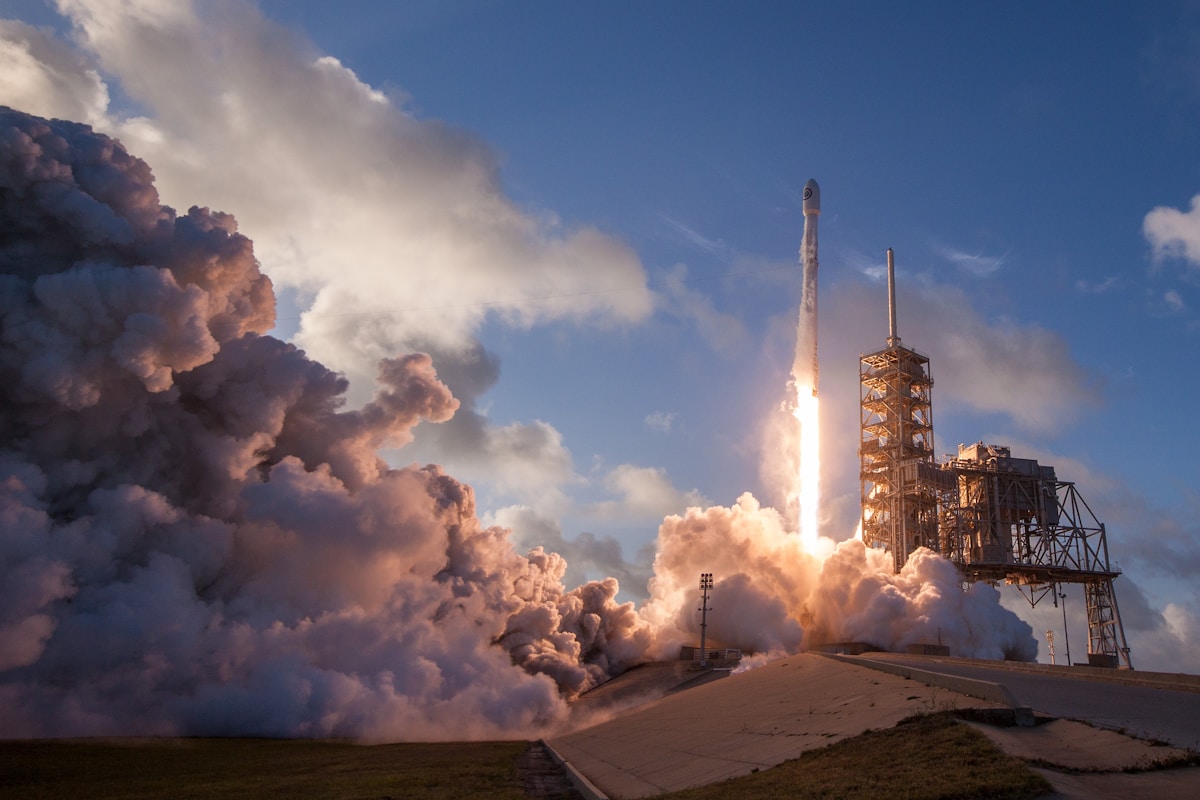
The Starliner crisis began when multiple reaction control system thrusters failed during the spacecraft's approach to the ISS, forcing NASA to make the unprecedented decision to return the vehicle empty while Butch Wilmore and Suni Williams remained aboard the station. The astronauts, originally scheduled for an eight-day mission, will return on a SpaceX Crew Dragon instead—a embarrassing setback for Boeing's commercial crew program.
In space exploration, as across technological frontiers, engineering constraints meet human ambition—and occasionally, we achieve the impossible. But this situation represents engineering failures that should have been caught during design, testing, or earlier flight operations.
According to Manley's analysis, NASA's report describes what happened but provides insufficient explanation of the root causes. The thrusters experienced overheating when fired repeatedly during approach maneuvers, but the report does not adequately address why thermal modeling failed to predict this behavior or why ground testing did not reveal the vulnerability.
A comprehensive failure investigation typically includes detailed timelines of the anomaly, complete root cause analysis, validation that the root cause can reproduce the observed failure, and specific corrective actions with verification plans. Manley argues that NASA's report lacks rigor in several of these areas, particularly in demonstrating that proposed fixes will actually prevent recurrence.
The criticism carries weight because Manley has established credibility analyzing complex spaceflight incidents, from SpaceX test failures to Russian spacecraft anomalies. His YouTube channel has become a trusted source for technical aerospace analysis, combining insider knowledge with accessible explanation.