
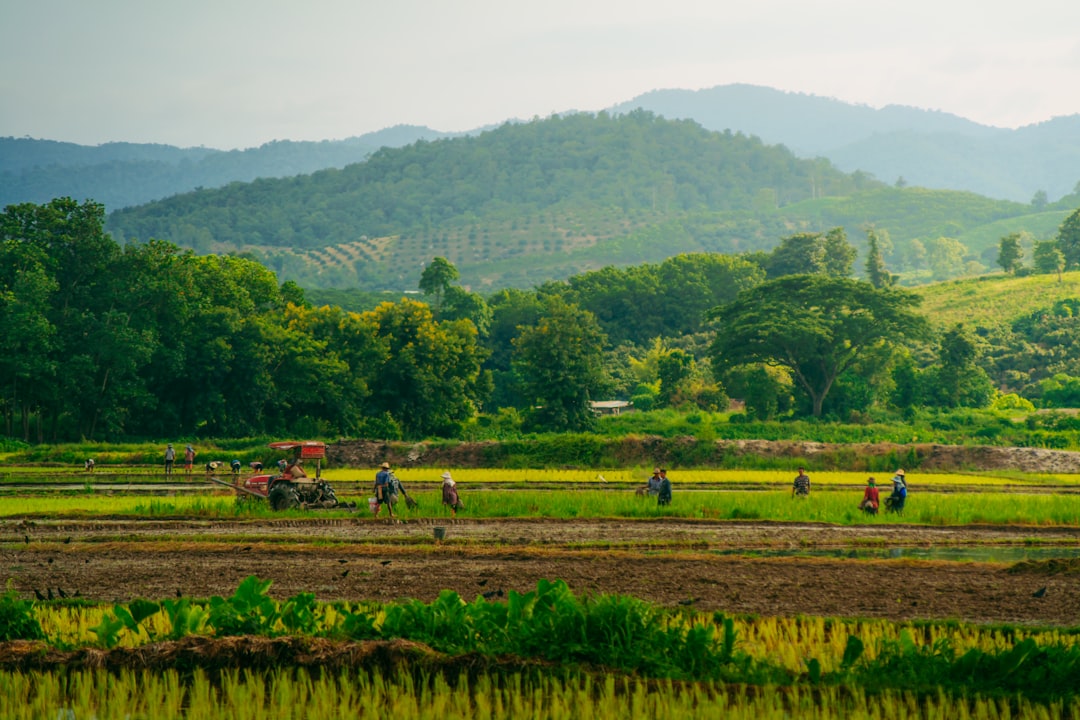
South Korea has suspended seasonal agricultural worker imports from four northeastern Thai provinces for the entire year 2026, following widespread desertions by workers who abandoned legal farm jobs for higher-paying factory positions and service work.
The blacklist affects Udon Thani, Khon Kaen, Chaiyaphum, and Maha Sarakham—the industrial and agricultural heartland of Thailand's Isan region. Workers recruited under South Korea's E-8 seasonal visa scheme for agricultural and fisheries work fled their designated employment at rates high enough to trigger the suspension.
Thailand's Labour Minister Julapun Amornvivat confirmed the blacklist on Tuesday, according to the Bangkok Post, though he emphasized the government's continued support for overseas employment.
The pattern reveals conditions many Thai workers find untenable. Legal seasonal agricultural work in South Korea often involves grueling hours in remote farms with limited oversight and wages below what undocumented factory work offers in urban areas. Workers recruited for rice fields and fishing boats routinely abandon their contracts to work in manufacturing, restaurants, or the informal economy—risking deportation but gaining immediate income and freedom of movement.
For South Korea, the desertions undermine a seasonal labor program designed to address chronic farm labor shortages without granting permanent residency. For Thailand, the blacklist cuts off remittance income from a region where migration to wealthier Asian economies provides essential household revenue.
On Tuesday, 597 Thai workers attended pre-departure training at the Department of Employment, with 220 bound for and 377 heading to , , , and other destinations. Minister framed overseas labor migration as an opportunity for workers to and potentially return to start businesses.