
Indonesia's health authorities have confirmed the detection of a Hantavirus case in East Java, marking a rare viral identification that demonstrates the country's enhanced disease surveillance capabilities while prompting heightened monitoring across the province.
The case, reported by CNN Indonesia, represents the first confirmed Hantavirus detection in the region and underscores the effectiveness of Indonesia's post-COVID disease surveillance infrastructure. Health officials emphasize that the single case does not constitute an outbreak and poses minimal public health risk, though the detection has prompted precautionary monitoring measures.
Hantaviruses are a family of viruses primarily transmitted to humans through contact with infected rodent urine, droppings, or saliva. The viruses can cause two main syndromes: Hantavirus Pulmonary Syndrome (HPS), which affects the lungs and can be fatal, and Hemorrhagic Fever with Renal Syndrome (HFRS), which impacts kidney function. While these illnesses can be serious, human-to-human transmission is extremely rare, distinguishing Hantavirus from respiratory viruses like COVID-19 or influenza.
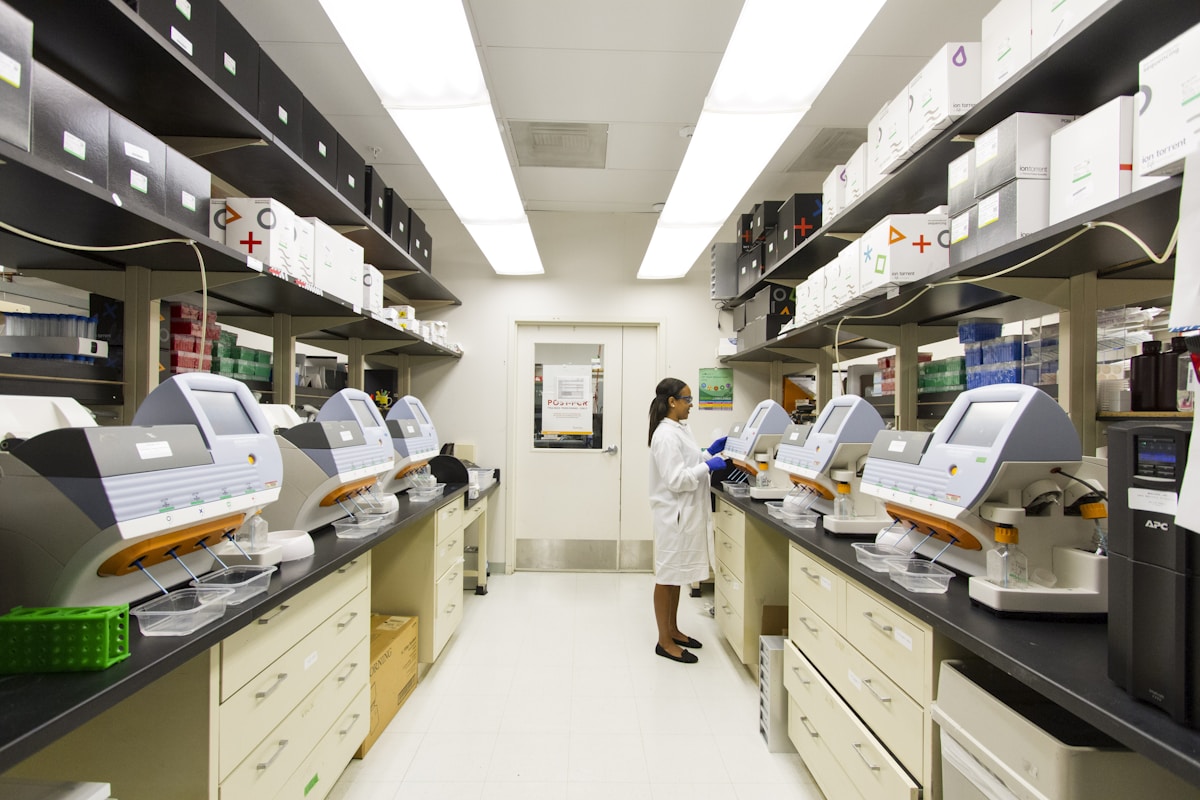
The East Java detection comes as Indonesia has significantly enhanced its disease monitoring capabilities following the COVID-19 pandemic. The country invested heavily in laboratory capacity, surveillance networks, rapid diagnostic capabilities, and trained epidemiological response teams—infrastructure now proving valuable for detecting emerging or rare pathogens beyond coronavirus variants.
Health Ministry officials have initiated contact tracing and environmental assessment in the affected area, focusing on potential rodent exposure sources. Public health teams are examining sanitation conditions, rodent populations, and potential transmission sites in the vicinity while monitoring contacts of the confirmed case for any signs of illness.
The detection also highlights the ongoing challenges of zoonotic diseases—infections that jump from animals to humans—in densely populated tropical regions with close human-animal contact. Indonesia's climate, agricultural practices, urban-rural interfaces, and housing conditions in some areas create environments where such transmissions can occasionally occur, requiring sustained surveillance and public health vigilance.