South Australia is demonstrating what the future of energy looks like—and it's cheaper, cleaner, and closer than fossil fuel advocates would have you believe.
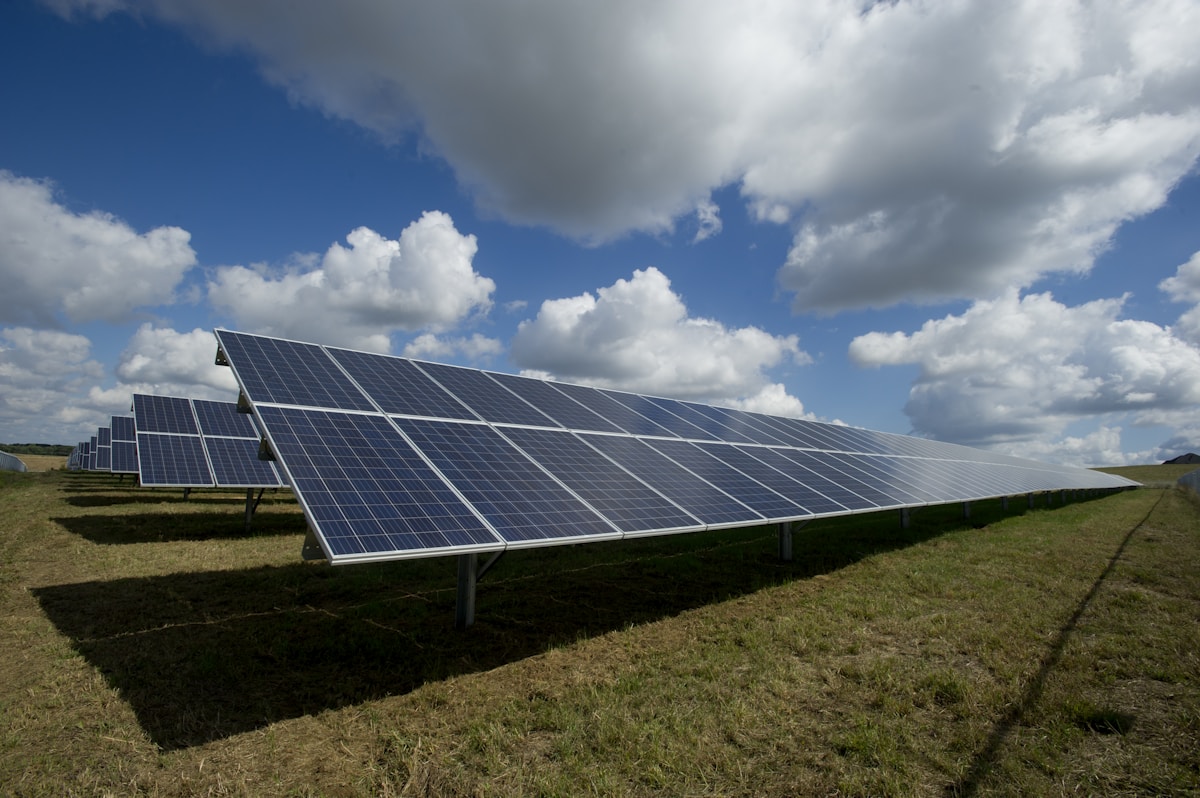
The state is approaching 100% renewable electricity generation, powered predominantly by wind and solar installations, while electricity prices have plummeted by 30% in a single year. Over half of South Australian homes now have rooftop solar panels, with many households using little or no grid electricity during daylight hours.
The transformation directly challenges decades of fossil fuel industry talking points claiming renewable energy would drive prices skyward. Instead, South Australia proves the opposite: the alternatives are not just greener but economically superior.
"This is proof of concept at scale," said Dr. Simon Holmes à Court, climate analyst and founder of Climate 200. "When you build out renewables with appropriate battery storage, prices fall. The data is unambiguous."
The price collapse stems from renewable energy's near-zero marginal cost—once solar panels and wind turbines are installed, they generate electricity essentially for free. Combined with large-scale battery installations that smooth supply fluctuations, South Australia has created an electricity system that is both reliable and dramatically cheaper than fossil fuel alternatives.
Wholesale electricity prices have occasionally turned negative during periods of high solar generation, meaning generators pay consumers to take excess power. This phenomenon, once rare, is becoming increasingly common as renewable capacity grows.
The implications extend far beyond electricity bills. Electric vehicle adoption accelerates when charging costs plummet, creating a virtuous cycle: cheaper renewable electricity enables cheaper electric transport, which reduces oil demand and accelerates the fossil fuel industry's decline.
In climate policy, as across environmental challenges, urgency must meet solutions—science demands action, but despair achieves nothing. South Australia's success demonstrates that the technological pathway exists; what remains is political will.