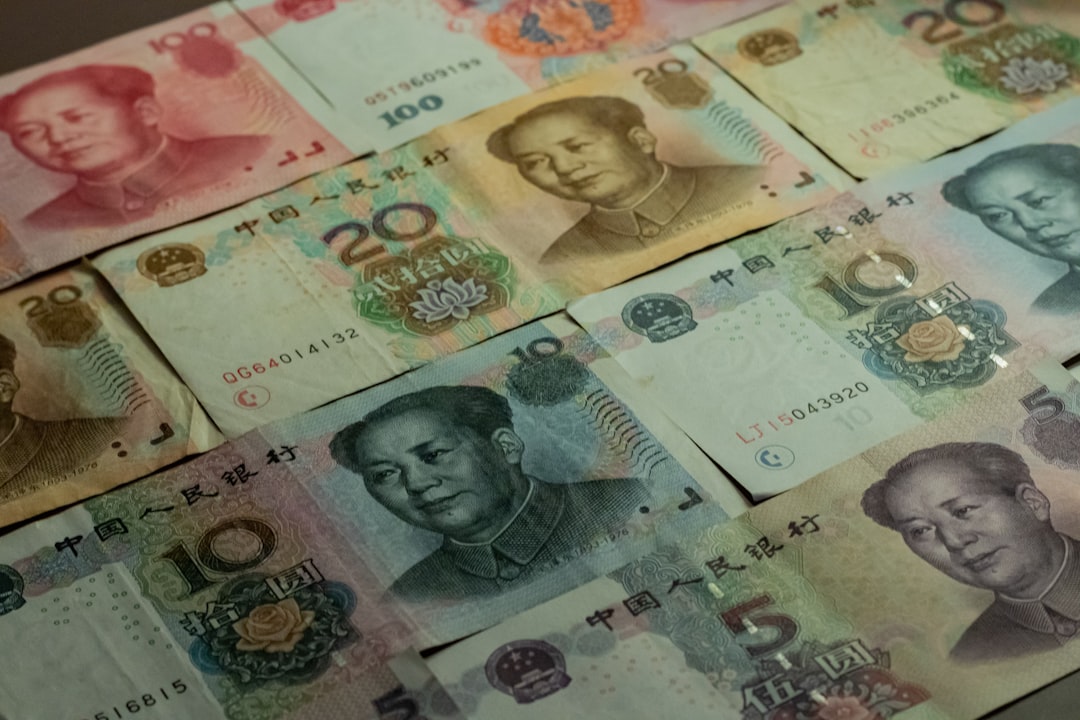
The escalating conflict in the Persian Gulf has breathed new life into President Xi Jinping's long-standing ambition to establish the petroyuan as a credible alternative to the dollar in global oil trade, with Bloomberg reporting that several energy-importing nations are now conducting crude transactions in Chinese currency to circumvent US sanctions.
The petroyuan initiative—trading oil in renminbi rather than dollars—represents a cornerstone of Beijing's broader de-dollarization strategy. While previous efforts gained limited traction due to the dollar's entrenched role in commodity markets and concerns about yuan convertibility, the current crisis provides both necessity and opportunity for countries seeking to maintain energy imports despite American financial pressure.
In China, as across Asia, long-term strategic thinking guides policy—what appears reactive is often planned. Beijing has spent years building the infrastructure for yuan-denominated oil trade, including establishing the Shanghai International Energy Exchange for yuan-priced crude futures, developing currency swap arrangements with central banks, and creating payment systems independent of the dollar-based SWIFT network. The Iran crisis now provides the catalyst for these mechanisms to see significant use.
Countries facing US sanctions for purchasing Iranian oil—including China, Pakistan, and potentially others in Southeast Asia—find the yuan increasingly attractive. By settling transactions in renminbi, they avoid exposure to US financial sanctions that target dollar-denominated trade. Beijing has offered favorable terms, including currency swap lines and trade finance, to encourage this shift.
The strategic implications extend beyond immediate energy transactions. Establishing the yuan as a viable commodity currency would reduce global dependence on the dollar, thereby limiting Washington's ability to weaponize the financial system. This aligns with the CCP's analysis that American sanctions and financial coercion represent a fundamental threat to Chinese sovereignty and economic security.
Chinese officials have framed the petroyuan not as an anti-dollar weapon but as a natural evolution of global trade patterns reflecting China's position as the world's largest crude oil importer. The country purchased roughly 11 million barrels per day in recent years, providing substantial leverage to demand alternative payment terms from suppliers desperate for market access.
Saudi Arabia and other Gulf producers have shown cautious interest in yuan-denominated sales, balancing between their security dependence on the United States and economic opportunities with China. The current crisis may accelerate this hedging behavior, particularly if Gulf states perceive American security guarantees as unreliable under the Trump administration's transactional approach to alliances.
Challenges remain for widespread petroyuan adoption. The yuan lacks full convertibility, Chinese capital controls limit its use outside trade transactions, and Beijing's own financial market restrictions reduce the currency's attractiveness as a reserve asset. However, for specific use cases—particularly sanctions evasion and bilateral trade settlement—these limitations matter less than the practical advantage of avoiding US financial oversight.
The broader de-dollarization trend encompasses more than just oil trade. China has promoted yuan settlement in Belt and Road Initiative projects, encouraged central banks to hold renminbi reserves, and developed the Cross-Border Interbank Payment System (CIPS) as a SWIFT alternative. Each incremental shift, while small relative to the dollar's dominance, builds infrastructure and establishes precedents for non-dollar international commerce.
Analysts note that complete displacement of the dollar remains unlikely in the near term, given the depth and liquidity of US financial markets and the dollar's role as a stable store of value. However, the erosion of dollar dominance in specific sectors—beginning with energy—could accelerate if geopolitical fragmentation continues and more countries seek financial autonomy from Washington.
For Beijing, the petroyuan strategy aligns with the CCP's vision of a multipolar financial order where American economic hegemony no longer constrains Chinese development or enables containment strategies. The Iran crisis, by forcing energy-importing countries to choose between US sanctions compliance and energy security, may prove the watershed moment that transforms this long-term aspiration into practical reality.