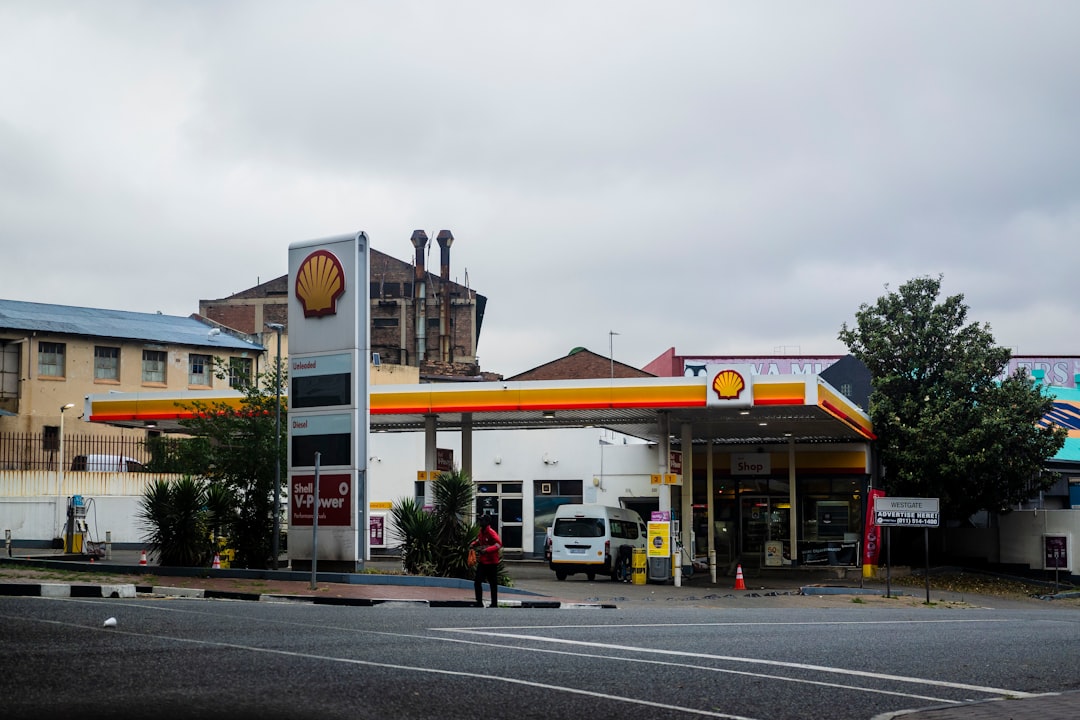
South Africa is set to experience the largest fuel price increase in its history next month, compounding economic pressures on a population already reeling from chronic electricity shortages and rising living costs.
The unprecedented hike, reported by BusinessTech, threatens to deepen the cost-of-living crisis affecting millions of South Africans, particularly those in working-class townships who spend a disproportionate share of their income on transport and basic goods.
The fuel price shock arrives at a moment of acute vulnerability for Africa's most industrialized economy. Persistent load shedding—rolling blackouts that have become a fixture of daily life—has already constrained business activity and undermined investor confidence. Now, surging fuel costs threaten to cascade through the entire economy, raising transport expenses, food prices, and production costs across sectors.
In Johannesburg and Cape Town, commuters who rely on minibus taxis—the backbone of South Africa's informal public transport system—face the immediate prospect of fare increases. For domestic workers, security guards, and factory employees earning modest wages, higher transport costs mean difficult choices between mobility and meals, between getting to work and feeding families.
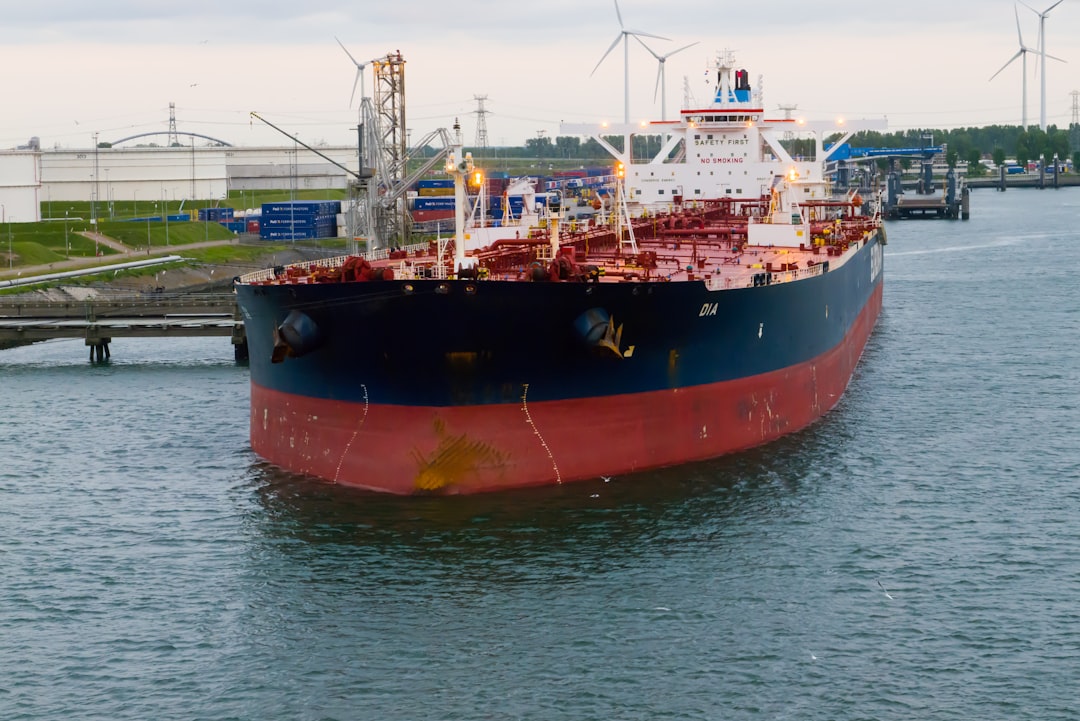
The fuel crisis reflects South Africa's continued exposure to global commodity market volatility, a vulnerability deepened by decades of infrastructure underinvestment and governance failures. While international oil price fluctuations drive the immediate increase, the pain is amplified by the rand's weakness and the government's limited fiscal capacity to provide relief.
In South Africa, as across post-conflict societies, the journey from apartheid to true equality requires generations—and constant vigilance. The fuel price shock underscores how economic inequality persists three decades after democratic transition. While affluent South Africans may absorb higher fuel costs with relative ease, working-class communities—disproportionately Black and Coloured—bear the brunt of every price increase.
The government faces difficult choices. Fuel levies generate crucial revenue for road maintenance and other services, yet subsidizing prices would strain already stretched public finances. Pretoria has historically been reluctant to intervene directly in fuel markets, citing fiscal constraints and the need to maintain market mechanisms.
Yet civil society voices are growing louder, demanding that leaders acknowledge the human cost of economic shocks. Trade unions have signaled potential mobilization, while community organizations in townships warn that rising costs could spark unrest reminiscent of past protests over service delivery and living conditions.
The fuel crisis also carries implications for South Africa's regional leadership and BRICS partnership. As the continent's most developed economy, South Africa's stability matters beyond its borders. Economic distress at home complicates Pretoria's ability to project influence regionally and within the BRICS bloc, where it advocates for developing-world interests.
Analysts warn that the fuel price surge could further dampen economic growth, which has already lagged regional and global averages for years. Business confidence remains fragile following the state capture era under former President Jacob Zuma, when corruption hollowed out key institutions. While President Cyril Ramaphosa's administration has sought to restore governance standards, tangible economic improvements remain elusive for ordinary citizens.
For South Africa's vibrant but embattled democracy, the fuel crisis represents another test. Independent media continues to hold leaders accountable, civil society organizations mobilize communities, and opposition parties challenge government policies—democratic achievements that distinguish South Africa from many regional peers.
Yet these institutions cannot, on their own, shield vulnerable populations from economic shocks rooted in global markets and domestic policy failures. The fuel price increase will deepen inequality, strain household budgets, and test the social compact that underpins South Africa's democratic transition.
As families across townships and informal settlements calculate whether they can still afford to work, to study, to participate in economic life, the gap between Rainbow Nation aspirations and lived reality grows starker. The largest fuel price increase in history arrives not as an isolated shock, but as another weight on a population already carrying too much—another reminder that political freedom, however precious, does not automatically deliver economic security.