
An investigation by the Financial Times has uncovered a $90 billion smuggling operation that allows Russia to export oil while evading Western sanctions imposed over the Ukraine invasion, raising serious questions about whether economic pressure on Moscow is working two years into the sanctions regime.
The network involves shadow fleet tankers, falsified documents, and cooperation from several countries that have publicly committed to enforcing sanctions, according to the investigation published this week. The scale of the operation—equivalent to nearly two-thirds of Russia's annual oil export revenue before the war—suggests Moscow has built an entire parallel infrastructure to circumvent restrictions.
The Financial Times tracked shipments through analysis of maritime data, satellite imagery, and corporate records spanning 18 months. The investigation identified more than 600 vessels operating as part of the shadow fleet, many with obscured ownership structures registered in jurisdictions with minimal regulatory oversight.
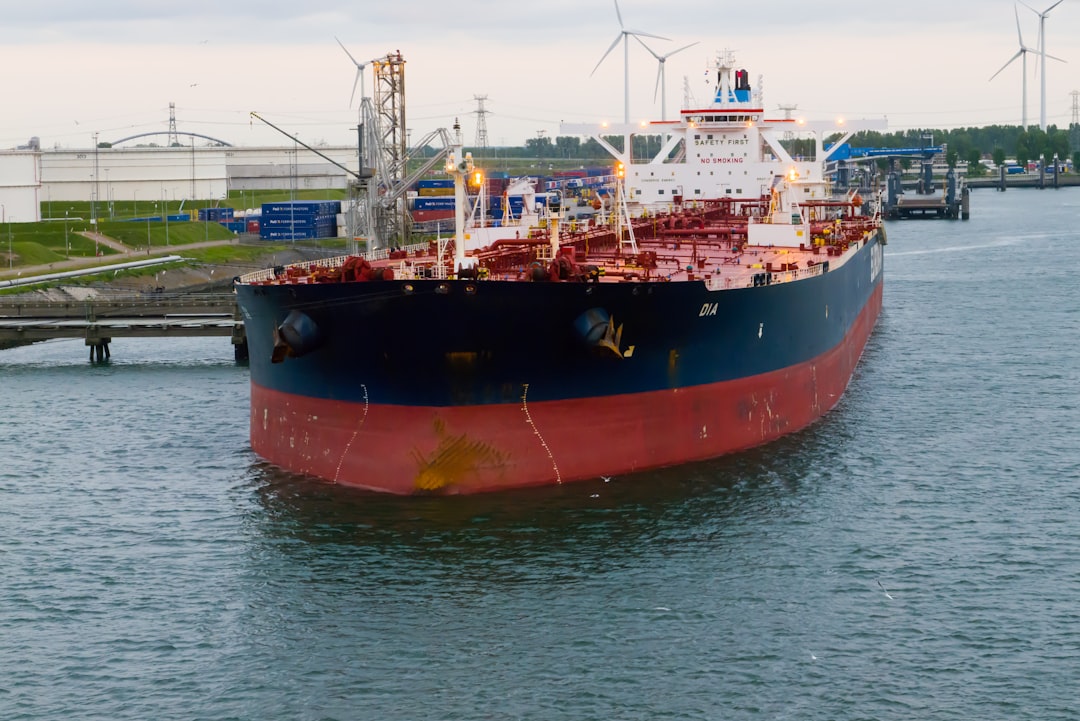
These vessels load Russian oil at Baltic and Black Sea ports, then either falsify documentation to disguise the cargo's origin or conduct ship-to-ship transfers in international waters before delivering to buyers in Asia and the Middle East. Some shipments transit through intermediary countries where oil is mixed with other sources, further obscuring its Russian origin.
"This is sophisticated, well-organized, and operating at industrial scale," said a sanctions expert who reviewed the investigation's findings. "It's not a few rogue operators—it's a systematic evasion network with state backing."
The investigation identified several enabling factors. Some countries nominally aligned with Western sanctions—including EU member states—have ports where shadow fleet vessels regularly call without facing meaningful scrutiny. Insurance and financing for these operations flow through jurisdictions beyond Western regulatory reach. And buyers in China, India, and Turkey continue purchasing Russian oil through intermediaries, maintaining plausible deniability about its origin.
Russia's oil export revenue, while reduced from pre-war levels, has remained sufficient to fund its military operations in Ukraine. Western governments imposed a $60 per barrel price cap on Russian oil in December 2022, but enforcement has proven difficult when shipments are deliberately obscured.
The $90 billion figure represents estimated revenue from oil that evaded sanctions or violated the price cap over an 18-month period. That revenue has helped Moscow sustain its war effort despite predictions that economic pressure would force a negotiated settlement.
"Sanctions work when they're enforced," said a former Treasury Department official. "This investigation shows that enforcement mechanisms have fundamental gaps that Russia has systematically exploited."
To understand today's headlines, we must look at yesterday's decisions. Western sanctions regimes were designed for an era when international energy markets operated through transparent channels dominated by major corporations subject to regulatory oversight. Russia has created parallel systems deliberately designed to exist outside that framework.
The investigation identified specific vessels that have made dozens of suspicious voyages. Many lack proper insurance, operate with aging equipment that poses environmental risks, and appear to be controlled by networks of shell companies. Several vessels have changed names, flags, and ownership registrations multiple times to avoid detection.
Maritime tracking data shows these vessels frequently disable their AIS transponders—the systems that broadcast location and identity information—during critical portions of voyages, particularly near loading terminals and during ship-to-ship transfers. When transponders are reactivated, vessels often claim to be in locations or carrying cargoes inconsistent with their actual operations.
Western governments have attempted to counter the shadow fleet through sanctions designations and port restrictions. The EU, US, and UK have sanctioned hundreds of vessels and dozens of companies involved in Russian oil transport. However, the investigation suggests these measures have been insufficient to disrupt the network's core operations.
The Financial Times investigation comes as European governments debate strengthening enforcement mechanisms. Proposed measures include mandatory inspections for vessels with Russian port calls, stricter documentation requirements, and penalties for ports that service shadow fleet vessels. However, implementation faces resistance from countries concerned about disrupting energy supplies or commercial shipping operations.
For Ukraine, the findings underscore frustration with sanctions enforcement. Ukrainian officials have long argued that insufficient pressure on Russian oil revenues allows Moscow to sustain its military campaign indefinitely.
"Every barrel of smuggled oil is another tank on Ukrainian soil, another missile hitting our cities," said a Ukrainian government spokesperson. "These aren't just sanctions violations—they're enabling war crimes."