Authorities in the United Arab Emirates have detained more than 100 individuals for recording and sharing videos of Iranian missile strikes hitting targets across the country, according to Time Magazine. The crackdown reflects Gulf states' attempts to manage information flow as the conflict brings warfare to their territory for the first time in decades.
The arrests, which began after several high-profile strikes on Emirati infrastructure over the past week, target both citizens and foreign residents who posted footage of missile impacts, explosions, or damage to social media platforms. Authorities have invoked national security laws that prohibit photographing or distributing images of military operations or strategic facilities.
The UAE, which has carefully balanced relations with both Washington and Tehran for years, now finds itself in an impossible position. Iranian missiles have struck American forces stationed in the country, Emirati oil facilities, and critical infrastructure—forcing Abu Dhabi to acknowledge a conflict it desperately sought to avoid.
Yet the government's response has focused as much on controlling information about these strikes as on defending against them. The mass arrests suggest the frequency and extent of damage may be significantly worse than publicly acknowledged.
"The UAE has built its brand on security, stability, and modernity," said a regional analyst who spoke on condition of anonymity due to the sensitivity of the matter. "Footage of missile strikes in Dubai and Abu Dhabi undermines that narrative fundamentally."
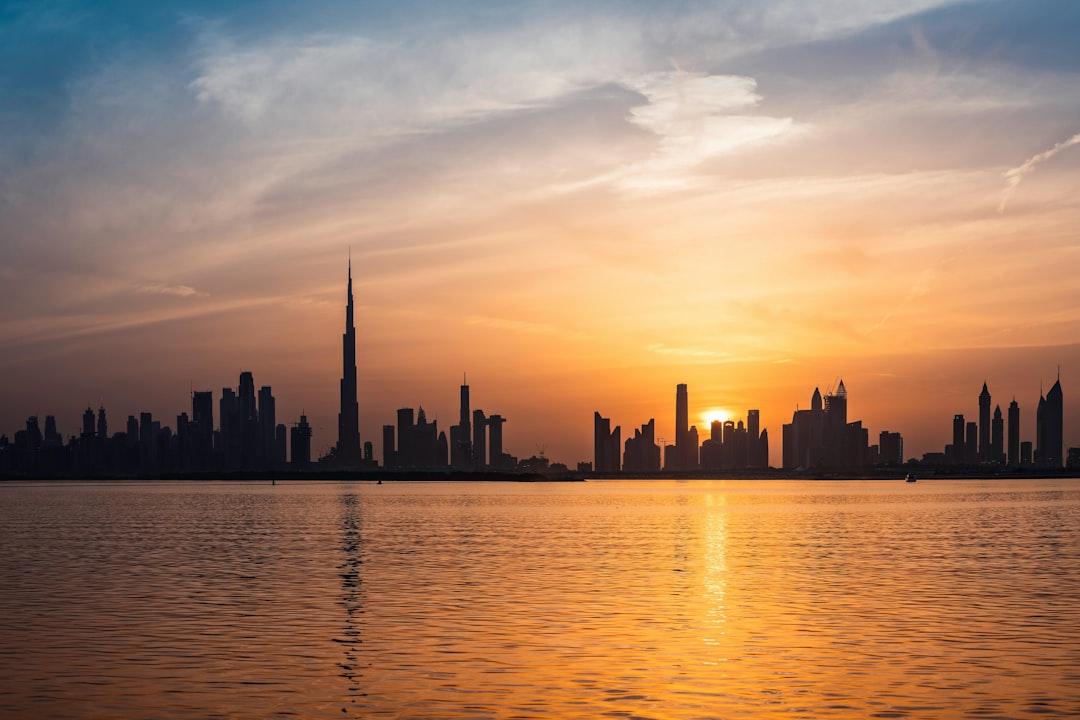
Videos that circulated before the crackdown intensified showed explosions near Dubai's iconic skyline, impacts on industrial facilities in , and damage to the Al Dhafra Air Base, which hosts American forces. Some footage captured air defense systems engaging incoming missiles, with mixed success rates that raised questions about the effectiveness of defenses.