The solo travel narrative sold by Instagram influencers and travel media follows a predictable arc: leave home uncertain, travel transforms you, return glowing with confidence and self-discovery. But what happens when the reality contradicts the mythology?
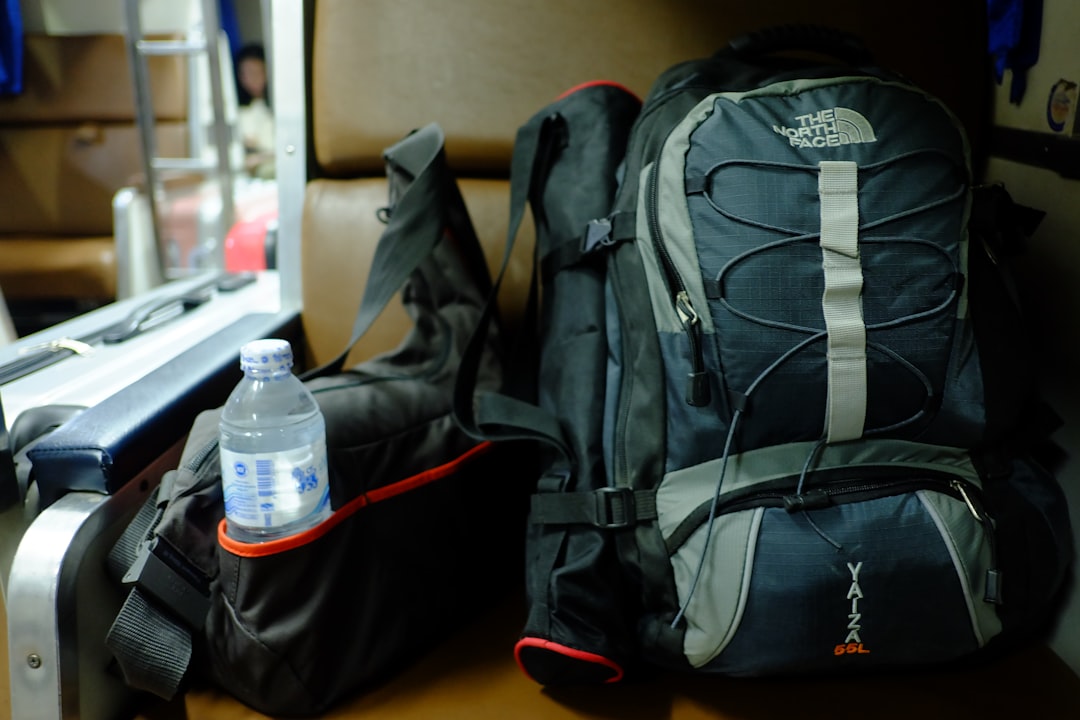
One traveler completing a dream 3-month Southeast Asia backpacking trip reports feeling more alone and less confident than before leaving. The honest account reveals the darker side of extended solo travel that few discuss openly.
I'm planning on coming home in a couple weeks and I feel nothing like who I was. I somehow feel more alone than I've ever felt, I've lost all confidence in myself, I'm exhausted, drained, and I'm kind of embarrassed to come back home the person that I am.
This confession matters because it represents experiences many solo travelers have but rarely admit publicly. The pressure to present travel as uniformly positive makes acknowledging struggle feel like failure.
Why Solo Travel Can Be Emotionally Devastating:
The constant starting over: Every new city means rebuilding social connections from zero. Make friends in a hostel, then move on and start again. After months of this cycle, the emotional labor becomes exhausting.
Loneliness compounds: Being surrounded by other travelers can intensify loneliness. You're with people constantly but forming only superficial connections.
Lack of support network: When home life is difficult, you have friends and family who know your history. On the road, nobody knows you well enough to provide meaningful emotional support.
The comparison trap: Other travelers seem to be having transformative experiences. You're struggling. The perception that everyone else is thriving amplifies feelings of failure.
Identity dissolution: Extended time away from familiar contexts can be destabilizing. The routines, relationships, and roles that previously defined you don't exist on the road.
Exhaustion masquerading as experience: Constantly moving, meeting new people, and managing logistics is genuinely tiring. After months, that exhaustion can be mistaken for depression.
What Actually Helps:
1. Slow down dramatically: Instead of moving every few days, stay somewhere for 2-4 weeks. Allow time to form genuine friendships and rest.
2. Allow yourself to have bad days: Not every moment needs to be Instagram-worthy. Some days you'll feel homesick. That's normal, not failure.
3. Maintain connections from home: Rather than cutting off from your previous life, actively maintain important relationships.
4. Acknowledge that transformation isn't guaranteed: Travel doesn't automatically make you a better person. Sometimes it just shows you different places while you remain fundamentally yourself.
5. Consider whether you're traveling for the right reasons: Using travel to escape problems or find yourself often fails. Geographic change doesn't solve internal issues.
6. Seek professional support if needed: Mental health struggles on the road are legitimate. Online therapy or local counseling services can help.
7. It's okay to go home: If travel is making you genuinely unhappy, going home early isn't failure—it's self-awareness.
The Coming Home Challenge:
The traveler worried about what to tell family asking about their amazing trip. Honest responses matter more than manufactured enthusiasm. Saying It was challenging and I learned a lot about myself, but not in the ways I expected is more valuable than pretending everything was perfect.
Expert Perspectives:
Travel psychologists note that extended solo travel can trigger or exacerbate existing mental health issues. The lack of routine, constant decision-making, and social instability create conditions that challenge psychological wellbeing.
This doesn't mean solo travel is bad—millions do it successfully. But it's not universally transformative. Individual psychology determines whether extended solo travel helps or harms mental health.
The Broader Truth:
Travel media oversells the find yourself narrative because it's marketable. Reality is that some people return from solo travel more confident. Others return exhausted and confused. Many fall somewhere in between.
None of these outcomes represent success or failure. They're just different experiences.
Sometimes what you learn is that the Instagram mythology doesn't match your reality. And sometimes you learn that going home and building a life there matters more than checking destinations off a list. That's valuable knowledge too.