Budget travelers face a constant tension: save money versus maintain sanity. A recent discussion among solo travelers revealed which luxuries make long-term budget travel actually sustainable.
The conversation started with one traveler's confession: I get a private room every 4th night. I love the social vibe of a dorm, but my social battery needs a hard reset to avoid burnout. I'll happily eat $1 meals for a week just to justify one night of silence and a private shower.
The responses revealed fascinating patterns about the psychology of strategic spending on the road.
Top Worth It Splurges from Experienced Budget Travelers:
Private accommodation periodically: The most common answer. Hostel dorms cost $8-15 per night. Private rooms run $25-40. That $15-25 difference buys silence, better sleep, and mental recovery. Many travelers reported the every 4th night rule.
The math works: spending an extra $75-100 monthly on occasional private nights often prevents the burnout that ends trips early. That's cheaper than flying home prematurely.
Quality footwear: Multiple travelers cited good shoes or boots as their non-negotiable expense. Cheap shoes lead to blisters, foot pain, and potentially cutting trips short. A $100 pair of quality walking shoes that lasts six months versus $30 shoes that fail in six weeks represents obvious value.
Reliable internet access: For digital nomads and travelers staying connected with family, paying extra for accommodations with solid WiFi or buying local SIM cards immediately proves worth it.
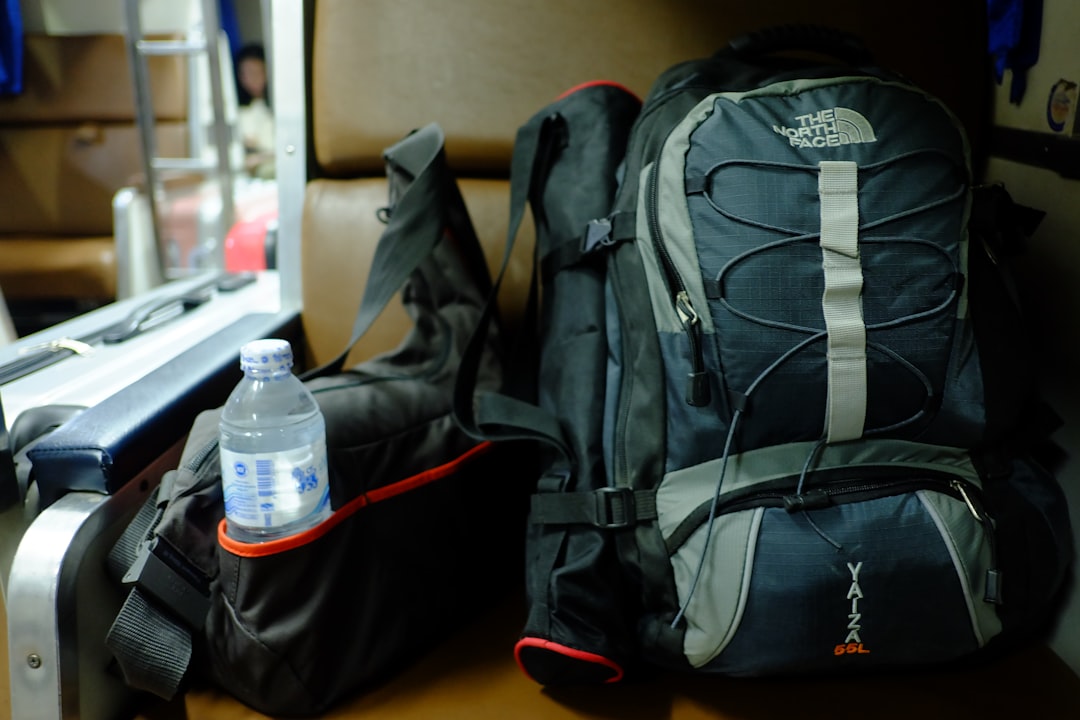
Quality backpack: Similar logic to footwear. Your backpack is your home. A $150-200 quality pack with good support beats a $40 bag that falls apart or causes back pain.
Occasional food splurges: Living on instant noodles and street food works for weeks, but many travelers reported needing occasional real meals to maintain morale. A $15-20 nice dinner once a week provides disproportionate psychological benefits.
Travel insurance: Not sexy, but experienced travelers universally consider comprehensive insurance non-negotiable. The cost ($50-100 per month for quality coverage) pales compared to potential medical expenses abroad.
Experiences over stuff: Many travelers reported willingness to skip hostel breakfast or walk instead of taking transport to afford memorable activities. A $30 cooking class, $40 diving trip, or $50 local guide often provides more lasting value than weeks of small daily comforts.
The Psychology of Strategic Spending:
What makes these splurges worth it isn't just practical benefit—it's psychological sustainability. Long-term budget travel isn't a pure minimization game. It's about optimizing the ratio of money spent to experience quality and trip longevity.
Spending $200 monthly on strategic luxuries that keep you happy and healthy on the road beats saving that $200 but burning out after three months instead of six.
The key insight: identify which specific comforts or quality items make the biggest difference to your wellbeing, then budget specifically for those while cutting ruthlessly elsewhere.
False Economies to Avoid:
Experienced travelers warned against certain savings that backfire:
• Skipping travel insurance (catastrophic if something goes wrong) • Buying the cheapest version of gear you use constantly • Never taking rest days (burnout costs more than hostel nights) • Choosing terrible accommodation purely for price • Skipping all local experiences to save money
The Framework:
One traveler offered a useful budgeting philosophy: Figure out your daily burn rate in a destination ($30? $50? $70?). Then identify the 2-3 things that genuinely improve your quality of life. Budget specifically for those, then optimize everything else ruthlessly.
Budget travel isn't about suffering or deprivation. It's about conscious resource allocation that maximizes your time on the road doing things you care about.