Easter Island—one of the world's most remote inhabited islands—intimidates even experienced travelers. The expensive flight, limited infrastructure, and tourism marketing hype create uncertainty about whether the journey justifies the cost.
A recent practical trip report cuts through the noise with honest, actionable advice based on a 5-day visit to Rapa Nui (the island's Polynesian name).
Day 1: Arrive and Ease In
After the long flight—typically connecting through Santiago, Chile—keep expectations modest. Catch sunset at Mirador Hanga Kioe near Hanga Roa cemetery. It's low-effort but sets the tone for what makes the island special.
Day 2: The Main Event
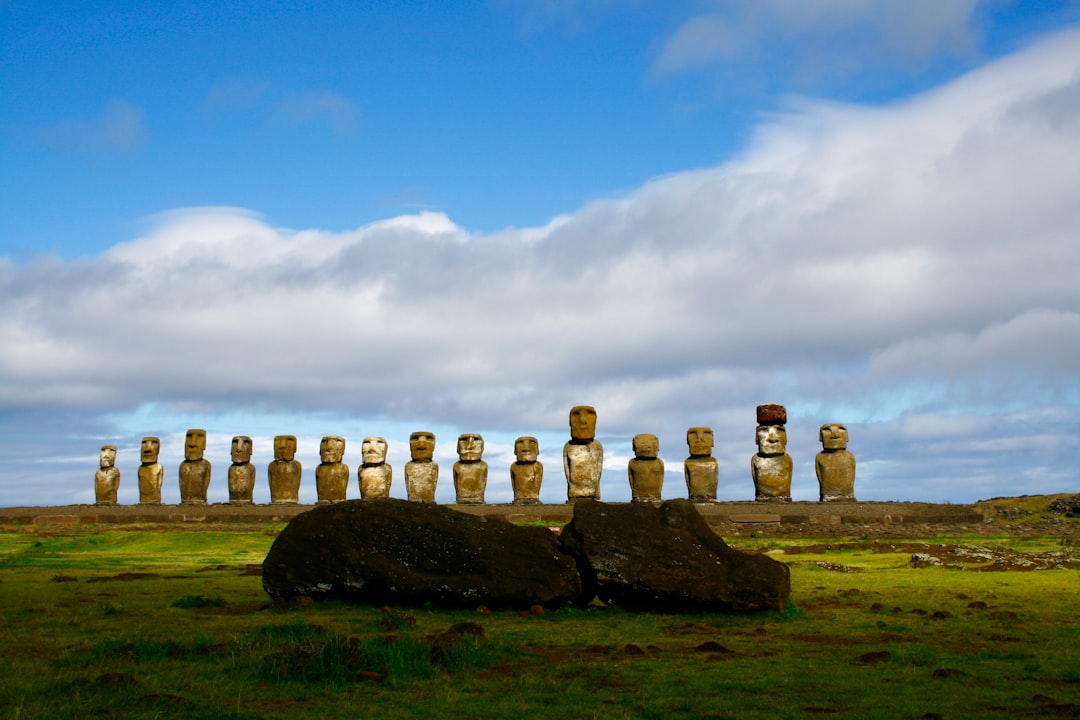
Leave before dawn for Ahu Tongariki on the northeast coast. This is non-negotiable. The road out offers zero light pollution, providing potentially the best Milky Way views you'll see anywhere. Then watch sunrise slowly illuminate 15 massive moai statues standing in a row.
Afternoon: Visit the quarry to see unrestored statues still half-buried in hillsides. The visual impact of seeing moai in various stages of construction provides context for the island's history.
Read about this history before visiting. Understanding what happened when the islanders depleted their natural resources adds profound weight to the archaeological sites.
Day 3: Volcanic Crater and Coastal Cave
Morning: Rano Kau volcano in the southwest. The massive crater lake inside is genuinely impressive. Looking down into the crater provides perspective on the island's volcanic origins.
Afternoon: Dos Ventanas Cave on the northwest coast. Less about visual spectacle, more about experience. Sit at the cliff edge with eyes closed, listening to waves crash against rock below.
Day 4: Independent Exploration
The first three days typically require joining guided tours (required for most archaeological sites). Day 4: rent a car or bike and explore freely. Stop wherever looks interesting. Visit Anakena Beach in the afternoon—the water is clear and warm, genuinely pleasant for swimming.
This unstructured day matters for mental balance. After days of scheduled tours, having time to simply exist on the island without agenda provides necessary breathing room.
Day 5: Town and Departure Prep
Morning in Hanga Roa town. Walk the coastline, browse souvenirs, decompress. There's a dive shop offering opportunities to see sea turtles underwater if you're interested.
Practical Considerations:
Cost: The flight is expensive—typically $500-800+ from Santiago. Accommodations range from $30-100+ per night. Guided tours cost $50-100 per day per person. Budget $150-200 daily including accommodation, tours, and meals.
Clothing: You need less than you think. The climate is mild. A light jacket for evening, sunscreen, and comfortable walking shoes cover most needs.
Tours: Required for major archaeological sites. Guides provide essential context that solo exploration can't match.
Duration: Five days hits the sweet spot. Three days feels rushed. Seven+ days may feel long given the island's small size.
The Value Question:
Is Easter Island worth the expensive, time-consuming journey? For certain travelers, absolutely. If you're fascinated by archaeology, ancient civilizations, or extreme remoteness, Easter Island delivers an experience available nowhere else.
For travelers primarily interested in beaches, nightlife, or cultural immersion with living communities, probably not.
The trip report concludes: Would go back. The flight is long and expensive but the island rewards the extra days. That measured enthusiasm captures the reality better than breathless travel marketing.