Conventional wisdom says Western Europe—especially Switzerland—requires deep pockets. But a detailed budget breakdown from an early-20s solo female traveler proves that strategic planning, city passes, and smart accommodation choices can bring a 22-day European adventure under $3,500, even with notoriously expensive Switzerland included.
In a comprehensive trip report posted to r/solotravel, the traveler shared transparent costs and practical strategies for budget-conscious travelers tackling France, Germany, and Switzerland.
The Numbers
Total cost: ~$3,500 USD - Flights: $1,200 (booked 1 month in advance) - Eurail Pass + Seat Reservations: $400 - Accommodation: $850 (mix of hostels and staying with friends) - Food, activities, museums, and incidentals: ~$1,050
Breaking that down: $159 per day for a trip covering Lyon, Strasbourg, Bern, Lucerne, Grindelwald, and Paris.
The City Pass Strategy
The traveler's smartest move: investing in comprehensive city/museum passes that provided both access and psychological freedom.
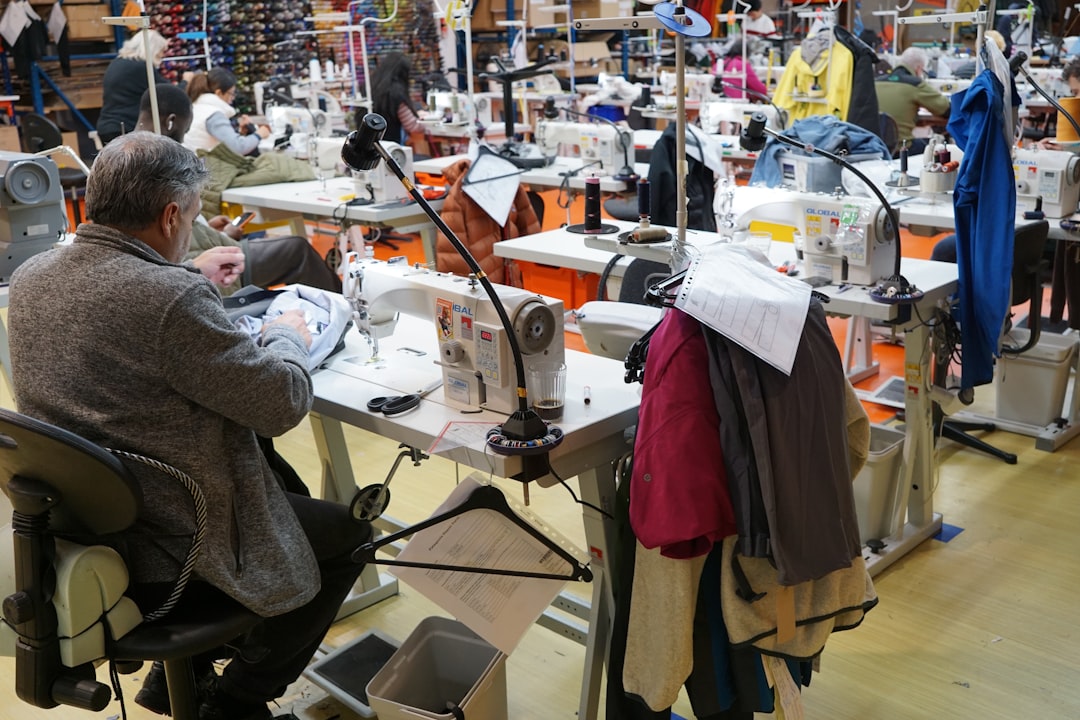
In Lyon, a city pass (~$60) included unlimited public bikes, allowing extensive exploration without transport costs. "I saw so many things," the traveler wrote, highlighting favorites like the Museum of Confluences and the Museum of Canuts (with live demonstrations of historic weaving machines).
In Paris, a 96-hour museum pass (~$100) covered dozens of museums. The traveler's key insight: "You basically break even if you see 5 museums, and I saw way more than 5." The pass also provided crucial flexibility—permission to leave museums early without feeling you wasted ticket money.
Paris also offers a week-long metro pass for ~$32, essential for travelers staying multiple days. The traveler noted this was "definitely worth it."
Many museums offered student discounts, though some only for European students. "Doesn't hurt to ask," the traveler advised.
Accommodation: Comfort vs. Cost
The trip report honestly addressed the hostel trade-offs budget travelers face:
"If you're trying to spend less, think about what your boundaries are in terms of distance from city center and hostel comfort. Cleanliness was my main factor."
In Paris, the traveler chose Joe and Joe Gentilly—a private room that was essentially "a box" (2x6 feet beyond the bed) with almost no ventilation, but clean and cheap. The location was outside central Paris, requiring 45-minute subway rides. But arriving early each day before museums opened meant the commute mattered less.
"It was clean so it was fine," the traveler concluded—a pragmatic approach that kept accommodation under $40/night in one of Europe's most expensive cities.
The Eurail Pass: Insurance and Flexibility
At $400 for the pass plus seat reservations, the Eurail investment might seem steep. But the traveler's experience validated it—not just for savings, but for peace of mind.
"Don't accidentally sleep through your alarm at 7AM and wake up at 7:45 when you have to catch your train at 8AM. I definitely didn't do that the day I was leaving Lyon..."
Missing the train cost only $40 for a new seat reservation instead of an entirely new ticket. "This is why having the Eurail pass was really great," the traveler noted. "Do the math, and then if it's close just go for the pass for peace of mind in case you miss a train or something."
What Worked
Highlights the traveler emphasized:
- Bern: "I wanted to move here so bad"—old town charm, river walks, and outdoor museums - Grindelwald: Mountain hiking with views "that looked like a Microsoft wallpaper" - Lyon: The Museum of Contemporary Art and Parc de la Tête d'Or - Paris: Unplanned timing overlapped with Fête de la Musique (music festival), which was "fun to see and meet random people," though getting home via subway was "a nightmare" with road closures
The traveler also appreciated breaking up solo time with friend visits, making the 22 days more manageable: "I think having some breaks where I met up with friends made it more manageable."
What Went Wrong (And Lessons)
Beyond the missed train, the trip was remarkably smooth. The traveler attributed this to balanced planning:
"I like to think that I plan like a Type A and live like a Type B. I had a general plan of what I wanted to do each day (things that were close by, things I definitely wanted to see), but I wasn't too stressed about sticking to it if I found something else that interested me or something didn't work out."
This approach—preparing thoroughly but staying flexible—prevented both the chaos of winging it and the rigidity of over-scheduling.
Solo Travel Reflections
The traveler's final verdict on solo versus group travel:
"I absolutely loved traveling solo, and had only just gotten the freedom to travel internationally, so it was truly one of the best experiences of my life. Although it has slightly ruined group travel for me now because I loved the freedom of just doing what I wanted when I wanted."
This is a common solo travel realization: once you experience the autonomy of making every decision yourself—what to see, when to eat, how long to stay—coordinating with others' preferences feels constraining.
Budget Travel Takeaways
The trip proves several key principles:
1. City/museum passes are worth it if you're a museum person. They pay for themselves quickly and remove the mental accounting that leads to skipping experiences.
2. Accommodation comfort is negotiable if cleanliness and safety are maintained. A tiny, hot room is tolerable when you're out exploring 12 hours a day.
3. Geographic strategy matters. Staying outside city centers significantly reduces costs if you're willing to commute.
4. Flexible transport (Eurail) provides insurance against travel mistakes that can blow budgets.
5. Food costs are controllable. The traveler didn't specify, but eating at markets, grocery stores, and casual spots rather than sit-down restaurants keeps daily costs down. They did splurge on specific dishes—truffle pasta in Lyon, Szechuan Chinese food in Paris when craving spice—showing that budget travel allows selective indulgences.
Is $3,500 Realistic?
This budget included expensive Switzerland and 22 days in some of Europe's priciest regions. For travelers willing to stay in basic accommodations, use city passes strategically, and skip fancy dining, it demonstrates that Western Europe doesn't require trust fund money.
The best travel isn't about the destination—it's about what you learn along the way. And what this budget breakdown teaches is that with research, flexibility, and honest assessment of your comfort boundaries, even expensive regions become accessible.