
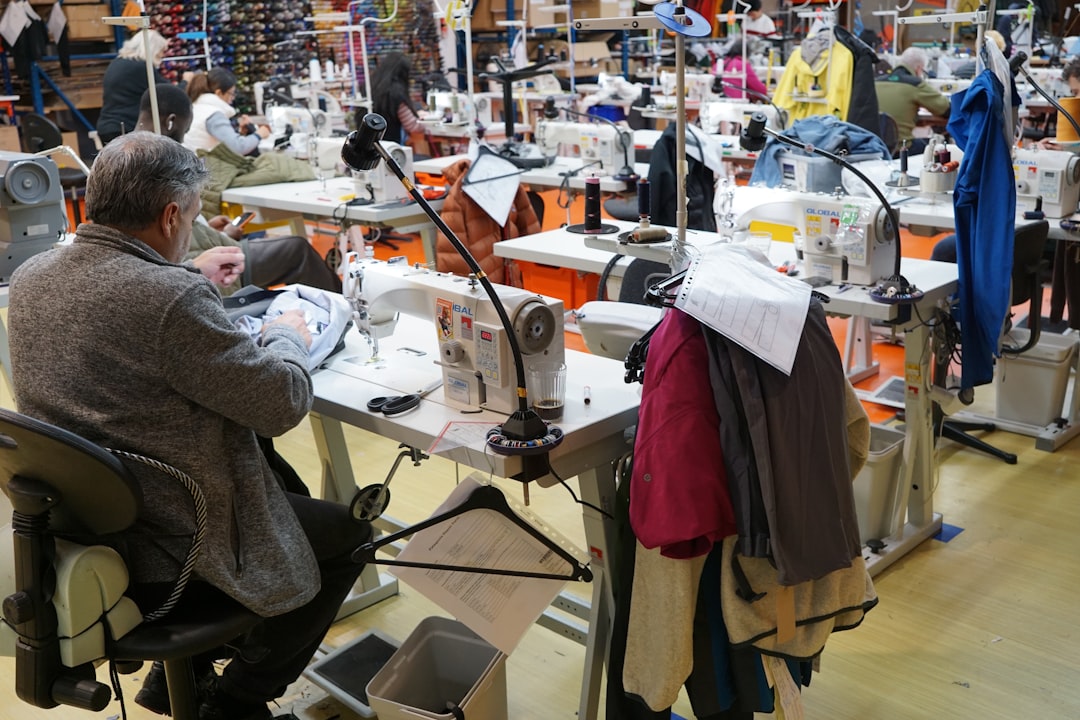
Lead contamination in textiles is a known risk. Australia has no mandatory testing requirements for clothing. That regulatory gap is exactly as concerning as it sounds.
An ABC investigation reveals that while lead is heavily regulated in products like toys and paint, clothing faces no equivalent scrutiny. Manufacturers aren't required to test garments for lead content before sale, and importers face minimal oversight on textile safety.
This isn't hypothetical. Lead can be present in textiles through dyes, prints, coatings, and finishes. It's particularly common in brightly colored synthetic fabrics and screen-printed designs. When those garments come into contact with skin—especially children's skin, which absorbs lead more readily—there's potential for exposure.
The regulatory logic is bizarre. Australia recognizes lead as a serious health hazard in toys, implementing strict limits and testing regimes. But clothing, which people wear against their skin for hours daily, faces no comparable standards. Consumer safety advocates point out this makes no sense from a risk perspective.
The problem is enforcement gaps, not ignorance. Regulators know lead in textiles is a concern. But testing regimes cost money, require laboratory infrastructure, and create compliance burdens for manufacturers and importers. Without political pressure to act, the regulatory gap persists.
This follows a familiar pattern in consumer product regulation: reactive rather than preventive. Wait for a scandal—contaminated products causing measurable harm—then implement standards. By that logic, lead-contaminated clothing needs to poison enough people to generate political pressure before regulations change.
That's not how public health policy should work.
International comparisons make Australia's position look even weaker. The European Union and United States have implemented stricter textile safety standards, including lead content limits. Australia could adopt similar frameworks without reinventing regulatory wheels.
Consumer advocates argue for mandatory testing of imported textiles and disclosure requirements for domestic manufacturers. That's not radical regulatory overreach. It's basic consumer protection for products people wear daily.
The textile industry will likely oppose new testing requirements, citing costs and compliance complexity. That's standard industry response to any regulation. But the public health case for lead testing is straightforward: known toxin, proven exposure pathway, preventable risk.
The regulatory question isn't whether lead in textiles poses risks—it does. It's whether those risks are significant enough to justify testing mandates. Given that Australia already regulates lead in toys and paint, the answer seems obvious.
Until testing requirements exist, consumers are left guessing about what's in their clothing. Buying from reputable brands offers some protection, but no guarantees. Cheap imported garments face minimal safety oversight, creating a two-tier system where wealthier consumers can afford safer products.
That's not an acceptable outcome for basic consumer safety.
Mate, if you regulate lead in toys because kids put them in their mouths, you should probably regulate lead in clothes that kids wear all day.