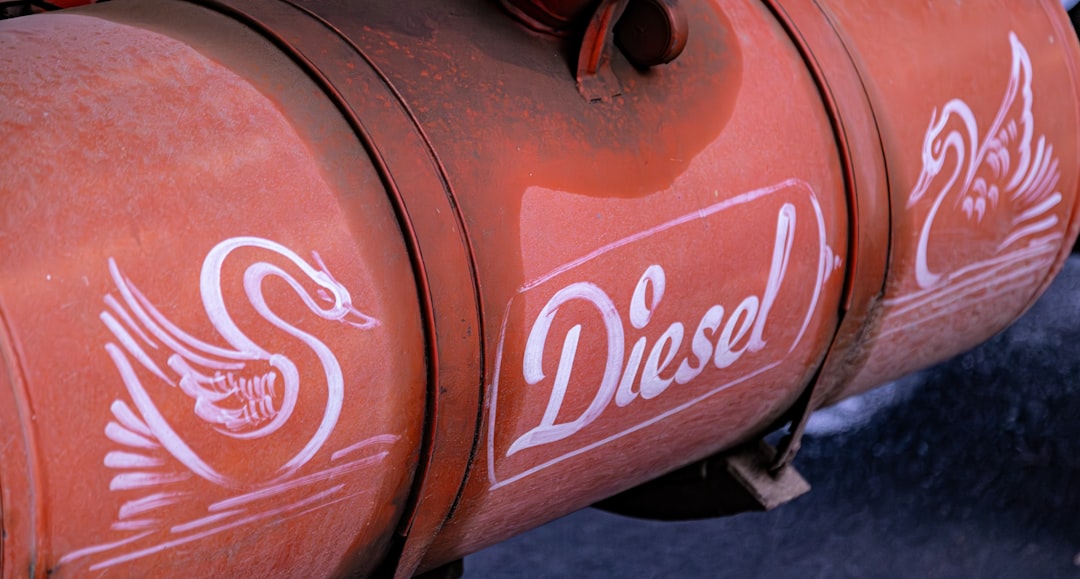
South Australia has announced a $40 million emergency diesel stockpile amid escalating conflict in Iran and growing concerns about fuel supply disruption. It's a concrete reminder that Australia, despite being an energy exporter, remains dangerously exposed to global fuel supply shocks.
The move highlights a vulnerability that's been obvious for years but politically inconvenient to address: Australia imports the vast majority of refined petroleum products, has minimal strategic reserves, and sits at the end of very long supply chains that run through some of the world's most volatile regions.
When tensions spike in the Persian Gulf—where roughly a third of global oil trade flows through the Strait of Hormuz—countries like Australia don't feel the impact immediately. But if shipping disruptions persist, refined fuel supplies dry up fast. Australia's fuel security strategy has historically relied on "just-in-time" supply chains and the assumption that global markets remain stable.
That assumption is looking shaky.
The ABC reports that South Australia's stockpile is specifically designed to ensure essential services—hospitals, emergency services, transport—can operate during supply disruptions. That's sensible planning. It's also an admission that existing national reserves aren't adequate.
Australia closed its last oil refineries in recent years, shifting entirely to imported refined products. That makes economic sense when global refining capacity is cheap and shipping is reliable. It's a strategic disaster when supply chains break.
The federal government maintains compliance with International Energy Agency standards through a combination of stockholdings and fuel security agreements with other nations. But those agreements rely on stable international shipping—precisely what's at risk during Middle East conflict.
South Australia's decision to build its own stockpile suggests state governments don't trust federal arrangements to protect them during crises. That's a significant vote of no confidence in national fuel security planning.
This isn't just about Iran. It's about structural dependence on global supply chains that can be disrupted by conflicts, sanctions, accidents, or natural disasters. Australia has vast energy resources—coal, gas, uranium, growing renewables—but can't turn any of that into diesel for trucks or jet fuel for planes without refining capacity it no longer has.
The politics of fuel security are tricky. Building strategic reserves costs money and generates no immediate political returns. Investing in domestic refining capacity is expensive and economically questionable when global refiners operate at lower cost. Voters don't reward governments for preparing for crises that haven't happened yet.
But when supply disruptions hit, they hit fast. Fuel shortages cascade through economies—transport stops, supply chains freeze, essential services struggle. By the time the crisis is obvious, it's too late to build reserves.
South Australia's $40 million stockpile is a small insurance policy against a scenario that's looking less hypothetical by the day. Whether it's enough, or whether other states follow suit, depends on how serious they think the risks are.
Mate, being an energy exporter doesn't mean much when you can't refine it into usable fuel and the ships carrying refined products stop arriving.