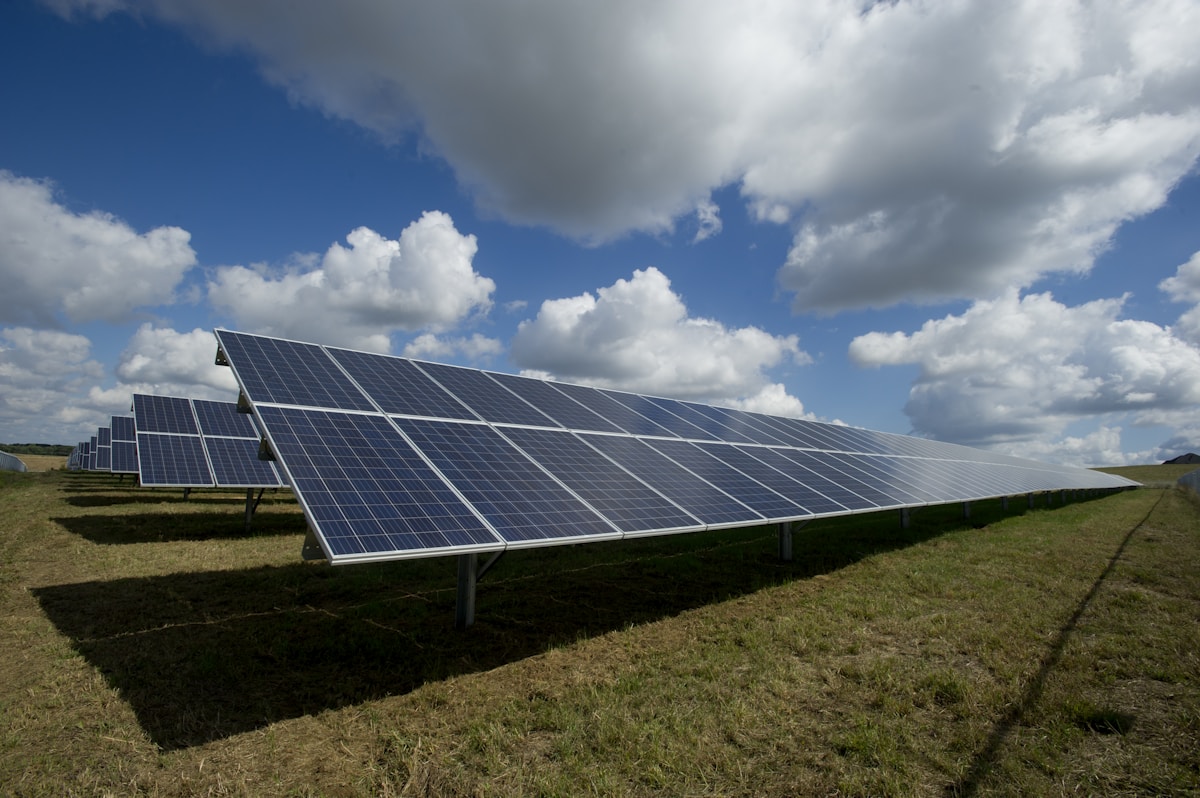
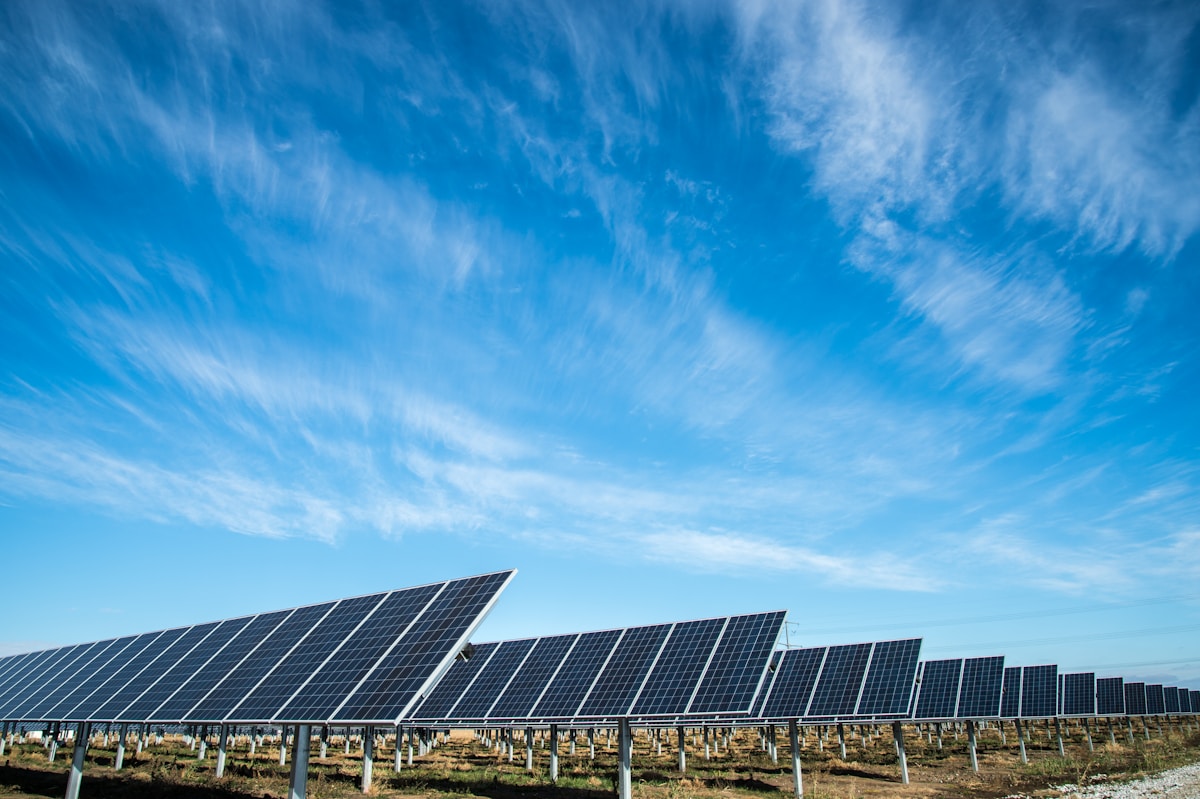
Solar power has emerged as the world's cheapest energy source, marking a historic inflection point in the global energy transition as renewable capacity scales at unprecedented speed, according to new analysis from Deutsche Welle.
The shift represents a fundamental economic transformation—solar installations now outcompete fossil fuels on price across most global markets, driven by dramatic cost reductions and manufacturing scale. The milestone demonstrates that climate solutions no longer require economic sacrifice, as clean energy deployment accelerates beyond even optimistic projections.
Economic Tipping Point Arrives
Solar photovoltaic costs have fallen more than 90% over the past decade, transforming renewable energy from aspirational technology to dominant market force. The International Energy Agency reports that solar capacity additions now exceed all other power sources combined, reflecting both technological maturity and massive investment flows particularly from China, the European Union, and increasingly the United States.
The economic case has reversed entirely—utilities and grid operators now choose solar not for climate credentials but for bottom-line cost advantages. In many markets, building new solar farms costs less than operating existing coal plants, accelerating fossil fuel retirement timelines across developed and developing economies.
Deployment Outpaces Emissions Cuts
Yet this remarkable progress exposes a troubling gap. While renewable capacity surges, global emissions reductions lag far behind Paris Agreement pathways. The 1.5°C target requires not just clean energy expansion but rapid fossil fuel phase-out—a political challenge that technology alone cannot solve.
In climate policy, as across environmental challenges, urgency must meet solutions—science demands action, but despair achieves nothing. The solar revolution proves that technological progress enables climate action at scale. Manufacturing learning curves, supply chain maturation, and policy support transformed solar from expensive niche to dominant energy source in barely two decades.