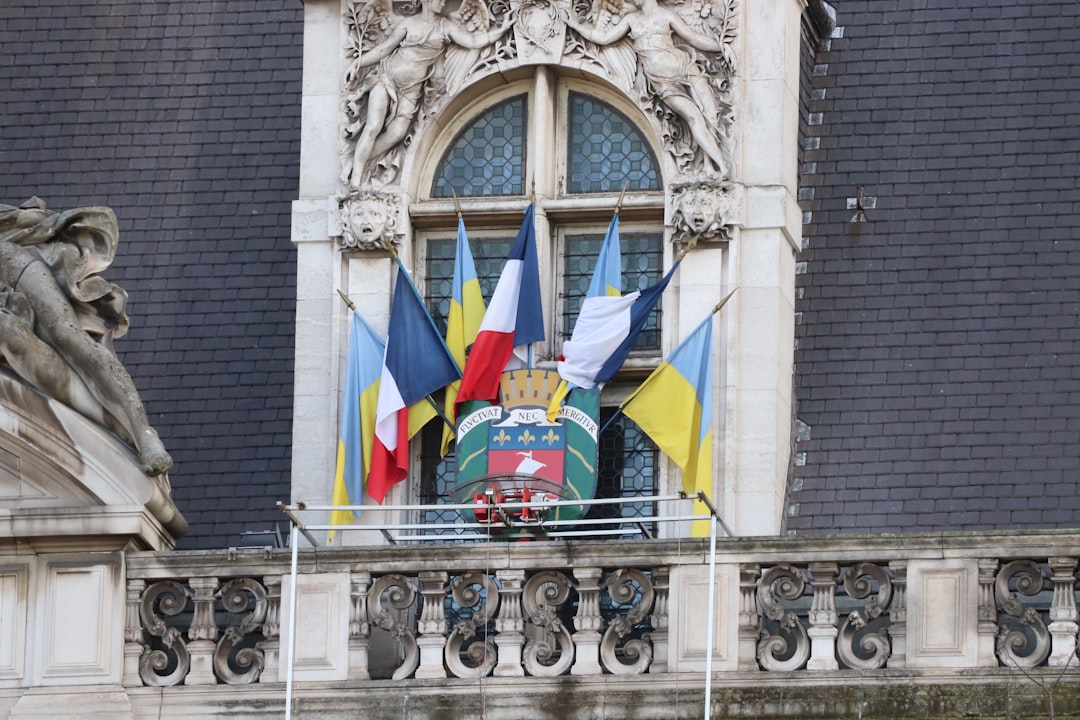
Socialist candidate Emmanuel Grégoire won the Paris mayoral race on Sunday, reclaiming the capital for the left and dealing a symbolic blow to President Emmanuel Macron's centrist alliance in a contest that underscores the fractured state of French politics heading into 2027's presidential election.
Exit polls showed Grégoire, a former deputy mayor under Anne Hidalgo, securing approximately 41 percent of the vote in the final round—a commanding margin over his conservative opponent Rachida Dati, who garnered 35 percent. The Green party candidate finished third with 18 percent, while Macron's Renaissance party failed to advance beyond the first round.
"Paris has chosen continuity, has chosen social justice, has chosen the ecological transition," Grégoire told supporters at his victory rally in the 11th arrondissement. "We will continue to make this city a capital of progress, not privilege."
The victory extends 24 consecutive years of Socialist governance in Paris, following Bertrand Delanoë's 2001 election and Hidalgo's two terms. It also represents a rare bright spot for France's beleaguered Socialist Party, which has struggled for relevance since President François Hollande's disastrous 2012-2017 term fragmented the center-left.
To understand today's headlines, we must look at yesterday's decisions. The Paris result reflects broader European political currents: while right-wing populism advances in many countries, major urban centers—London, Berlin, Barcelona—remain bastions of progressive politics, creating geographic and ideological divides that reshape national coalitions.