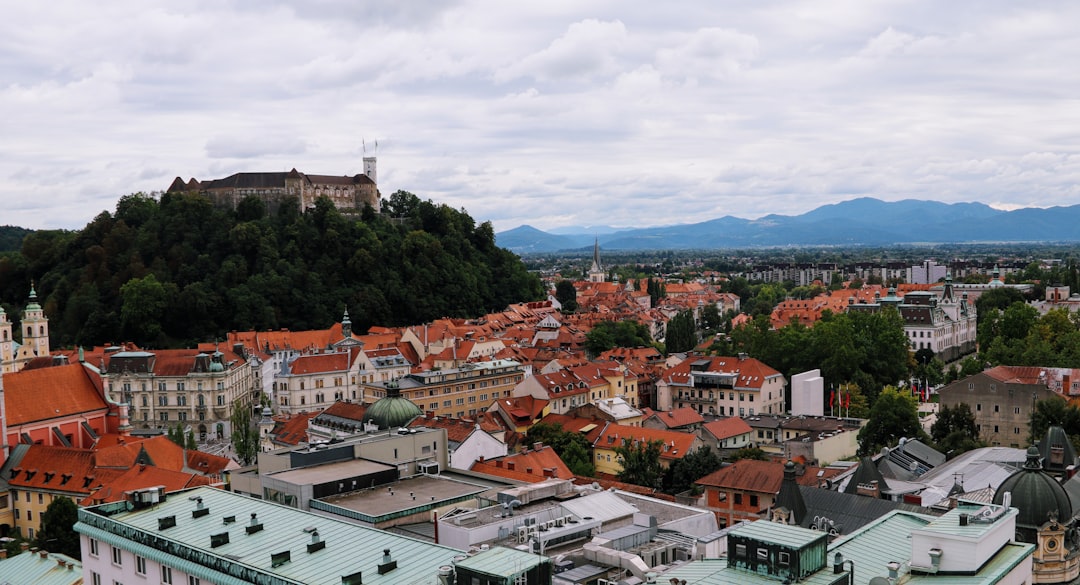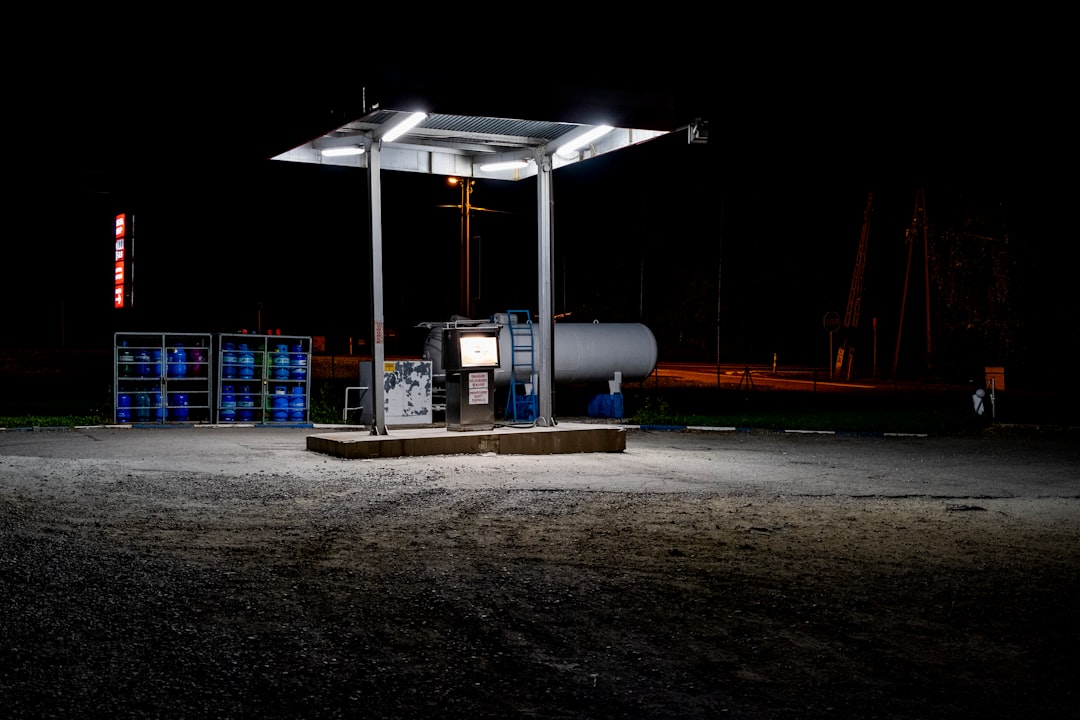
Slovenia imposed emergency fuel purchase limits on Saturday as gas stations across the small European Union nation reported running dry, exposing critical vulnerabilities in energy infrastructure as the Middle East crisis drives oil prices to multi-year highs.
The government restricted purchases to 30 liters per transaction at affected stations, according to Reuters, after reports emerged that some locations in the capital Ljubljana and eastern regions had exhausted gasoline and diesel supplies. Long queues formed at stations with remaining inventory, reminiscent of the 1970s oil shocks that similarly caught small European nations unprepared.
To understand today's headlines, we must look at yesterday's decisions. Slovenia, with a population of just 2.1 million, lacks strategic petroleum reserves comparable to larger EU states and depends heavily on pipeline imports from Italy and Croatia. When global supply disruptions coincide with regional distribution bottlenecks, the country has minimal buffer capacity.
Officials attributed the shortage to a confluence of factors: surging demand as motorists panic-bought fuel amid rising prices, delayed shipments through the Trans-Alpine Pipeline (TAL) due to maintenance issues, and hoarding by commercial operators anticipating further price increases. Oil Minister Jože Podgoršek insisted the situation was "temporary" and that supplies would normalize within 48 to 72 hours.
Yet the episode reveals systemic fragility in Europe's energy architecture. While much attention has focused on natural gas dependence—particularly the continent's reliance on Russian pipeline imports—the crisis in Slovenia demonstrates that petroleum supply chains remain equally vulnerable to disruption.
The timing could hardly be worse. Brent crude surpassed $97 per barrel this week as the U.S.-Iran conflict threatens to restrict flows through the . Even if the waterway remains technically open, insurance costs and routing delays have created de facto shortages that ripple through global markets.