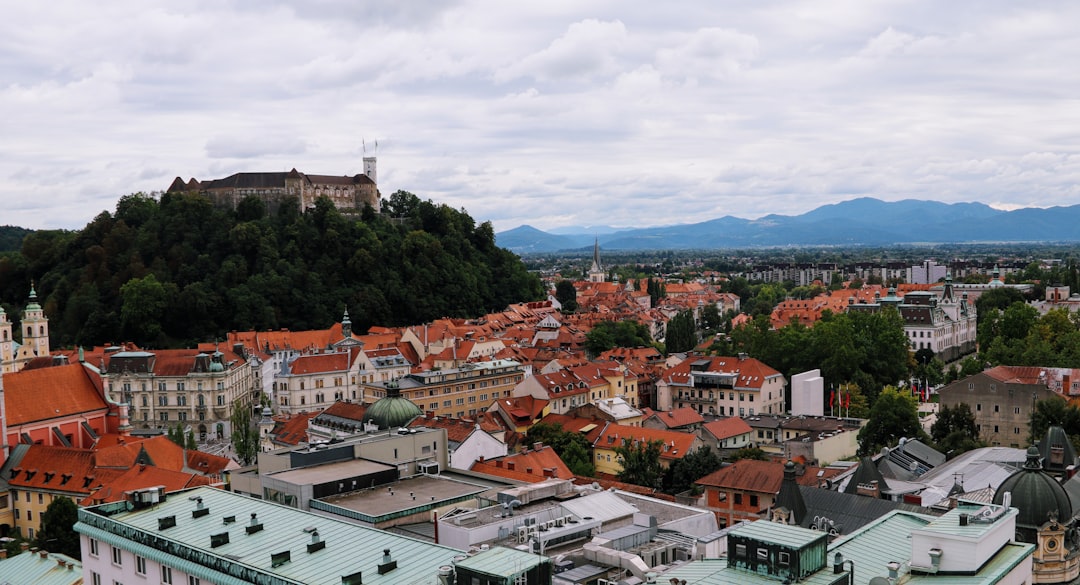
Slovenia's center-left Freedom Movement retained control of parliament in Sunday's elections, bucking the rightward drift that has reshaped politics across much of Europe and providing Prime Minister Robert Golob with a renewed mandate to pursue progressive policies in the small Alpine nation.
Exit polls showed the Freedom Movement securing approximately 37 percent of the vote, well ahead of the conservative Slovenian Democratic Party (SDS) at 26 percent. The result ensures Golob, a former energy executive who entered politics only three years ago, will continue leading a coalition government through 2027.
"Slovenians have chosen optimism over fear, cooperation over division," Golob told supporters in Ljubljana. "This is a victory for European values and democratic institutions."
The outcome defies a pattern seen from Italy to the Netherlands, where right-wing and populist parties have made significant gains by campaigning on immigration restrictions, EU skepticism, and cultural conservatism. Slovenia's election suggests that competent center-left governance can still prevail in countries where economic conditions remain relatively stable.
To understand today's headlines, we must look at yesterday's decisions. Golob's Freedom Movement emerged in 2022 specifically to challenge Janez Janša, the longtime SDS leader whose authoritarian tendencies and attacks on media freedom drew rebukes from Brussels. That election functioned as a referendum on democratic norms—a framing that resonated with voters concerned about Slovenia's international reputation.
The 2026 contest operated under different dynamics. With Janša no longer leading the opposition and the immediate threat to democratic institutions receded, : economic growth (2.8 percent in 2025), unemployment (4.3 percent, among the EU's lowest), and policy execution.