Travel planning has an almost total blind spot. It covers flights, accommodation, itineraries, packing lists, and budgets. It almost never covers the small, daily friction that accumulates invisibly until it hits a breaking point.
A popular r/travel thread asked the question directly: "What's the one thing you thought wouldn't affect you while traveling - but absolutely did?" The 92-comment response is a catalogue of trip-altering details that no guidebook addresses.
The thread's original post set the tone. A traveler booked accommodation in Istanbul's Sultanahmet district, reasoning that being in the center of everything was worth a premium. It was - for about two days. "Then the 4:45am call to prayer started hitting every single morning through thin windows," they wrote. "By day four I was lying there staring at the ceiling half irritated, wondering why I didn't check how close I was to a mosque. The lack of proper sleep changed my mood more than any long bus ride ever has."
Chronic sleep deprivation at even moderate levels degrades mood, decision-making, and physical endurance in ways that compound across days. A traveler operating on five hours of broken sleep is not experiencing the same city as one who is rested. The gap between them can be the difference between a trip remembered fondly and one that felt exhausting throughout.
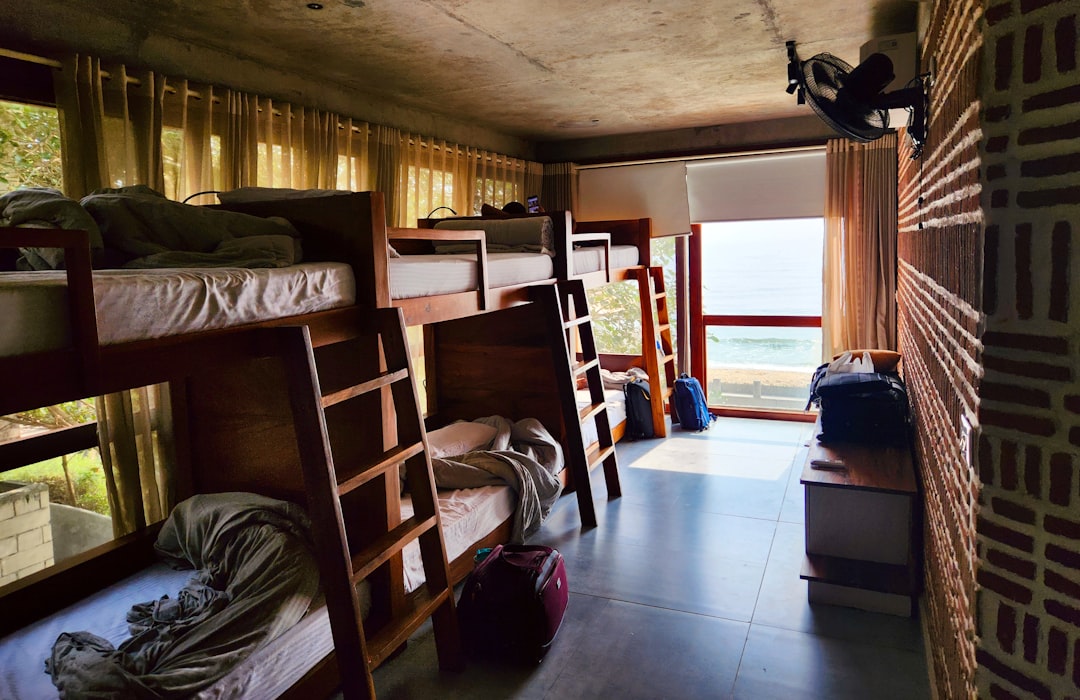
The community's responses revealed consistent patterns. Noise appeared repeatedly - street traffic, thin hostel walls, construction starting at dawn. Relentless touting and hawking came up multiple times, particularly in high-density tourist zones where every step in public generates a sales approach. Respondents noted that this form of friction is nearly impossible to prepare for emotionally, even when intellectually expected.
Accumulated fatigue from trying to see everything was another recurring theme - the traveler who books seven attractions per day, walks fifteen kilometers across a city, and then wonders why day five feels like a death march. The Instagram version of travel, which valorizes maximum coverage of maximum sights, does not acknowledge that human bodies have limits.