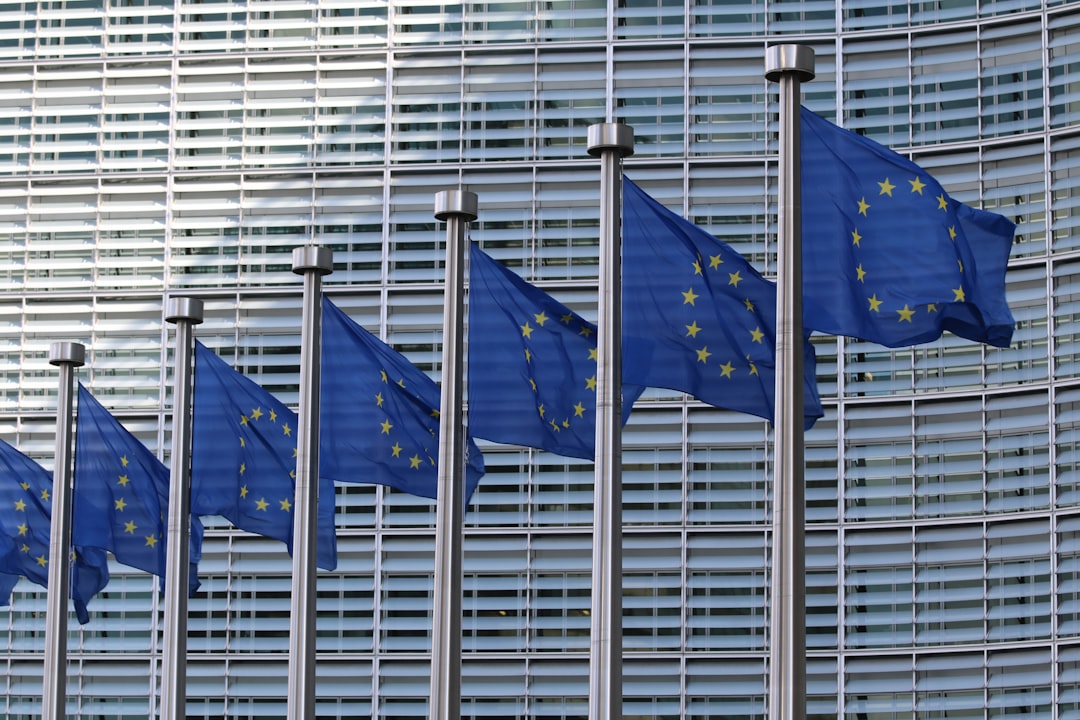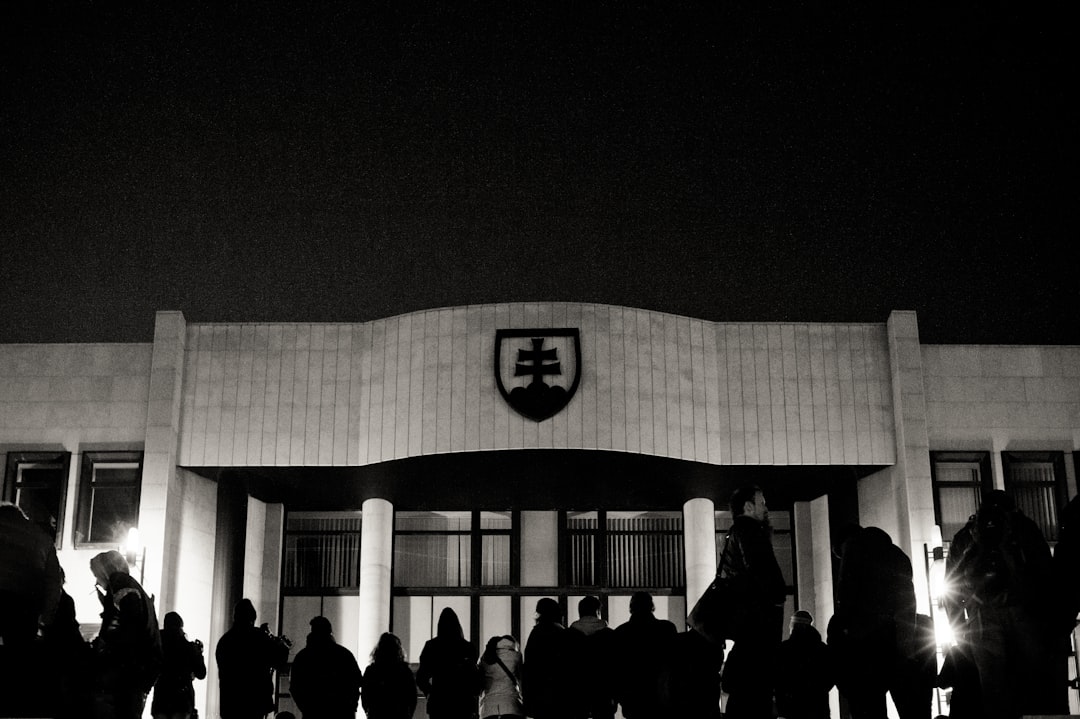
Slovak Prime Minister Robert Fico defiantly embraced the role of European Union pariah during a controversial Moscow visit this week, declaring himself the bloc's "black sheep" while attending Russia's Victory Day commemorations and meeting with President Vladimir Putin.
The trip, which Fico undertook despite opposition from multiple EU partners, highlights growing fissures within the bloc over how to maintain unity when member states pursue divergent approaches to Russia and the Ukraine conflict, according to the Kyiv Post.
"In the EU, there is always some black sheep. So I belong to this flock," Fico stated during his May 8 visit, defending his rejection of what he characterized as mandatory Brussels orthodoxy. "I am against any one mandatory opinion," he added, framing his stance as defending national sovereignty rather than undermining collective action.
The Moscow Trip
Fico attended Russia's May 9 Victory Day parade, a historically scaled-down event this year from which major Western media outlets were denied accreditation. He indicated plans to deliver messages from other European politicians to Putin and pose questions regarding the Ukraine conflict—though he did not specify which European leaders had asked him to serve as intermediary.
The Slovak Prime Minister has positioned himself as a vocal opponent of military assistance to Kyiv, instead advocating for dialogue and negotiations as the path to resolving the war. He expressed hope the conflict was nearing conclusion and supported any ceasefire arrangement, echoing talking points frequently heard from Moscow and its allies.
Regional Backlash
The journey to Moscow proved diplomatically complicated before Fico even arrived. Poland and the Baltic states refused his aircraft passage through their airspace, forcing him to fly through Czechia instead. The airspace denial represents a significant diplomatic rebuke, normally reserved for hostile states rather than fellow EU and NATO members.
Polish Foreign Minister Radosław Sikorski suggested Warsaw might "forgive him" if Fico unblocks the €90 billion EU aid package for Ukraine. The comment reveals the transactional nature of intra-EU relations, where diplomatic gestures become bargaining chips in broader policy disputes.
Interestingly, Fico had recently met Ukrainian President Volodymyr Zelensky in Yerevan, reportedly assuring him that Slovakia wouldn't obstruct Ukraine's EU membership. This apparent contradiction—supporting Ukraine's EU integration while opposing military aid and meeting with Putin—reflects the complex calculations of smaller European nations balancing multiple relationships.
The Orbán Model
Fico's approach mirrors that of Hungarian Prime Minister Viktor Orbán, who has maintained close relations with Moscow despite EU sanctions and broad European support for Ukraine. Hungary and Slovakia form what some analysts describe as a Russia-friendly bloc within the EU, complicating efforts to present united policy toward Moscow.
However, Orbán's position has weakened domestically following opposition leader Péter Magyar's electoral successes, raising questions about how long he can maintain his current stance. The political upheaval in Budapest may leave Fico increasingly isolated within the EU as the primary champion of engagement with Moscow.
Energy Politics and National Interest
Fico's position partly reflects Slovakia's continued energy dependence on Russian supplies. While the EU has dramatically reduced Russian natural gas imports since the invasion of Ukraine, landlocked Slovakia has fewer alternatives than Western European nations with access to liquefied natural gas terminals.
The Slovak Prime Minister has framed opposition to sanctions and support for dialogue as defending national economic interests against Brussels policies he argues disproportionately harm smaller member states. This economic nationalist rhetoric resonates with voters facing energy price increases and economic uncertainty.
EU Unity and Its Limits
The Fico episode illustrates fundamental questions about EU foreign policy: How does the bloc enforce unity when member states pursue contradictory approaches? What tools does Brussels have to ensure compliance with collective decisions?
The EU's sanctions regime against Russia requires unanimous renewal every six months, giving any single member state effective veto power. While Hungary has occasionally delayed renewals to extract concessions on unrelated issues, it has ultimately allowed sanctions to continue. Slovakia's position adds another potential veto point that Moscow can exploit.
More broadly, EU foreign and security policy operates on unanimity principles, meaning substantive action requires all 27 member states to agree. This structure provides smaller nations disproportionate influence but makes coherent policy difficult when national interests diverge.
Domestic Political Calculations
Fico returned to power in 2023 after a period out of office, leading a coalition government that includes nationalist and pro-Russian parties. His Moscow visit and "black sheep" rhetoric likely play well with core supporters who view EU and NATO policies as serving Western interests at Slovakia's expense.
The Prime Minister's stance also reflects genuine foreign policy differences with the Brussels consensus. Fico and like-minded leaders argue that military support for Ukraine prolongs the conflict rather than hastening Russian defeat, and that negotiated settlement—even on unfavorable terms for Kyiv—would better serve European interests than continued warfare.
This perspective, while minority within the EU, is not entirely absent from Western discourse. Some analysts and officials privately express concern that Ukraine cannot militarily expel Russia from all occupied territory, making eventual negotiation inevitable. Fico simply voices such views more publicly and provocatively than others.
The Question of Consequences
What can the EU do about member states that openly defy collective policy? Options are limited and politically fraught. Article 7 procedures, which can suspend a member state's voting rights for serious breaches of EU values, require near-unanimity themselves—meaning Hungary and Slovakia can protect each other.
Financial leverage through EU funds provides the most practical tool. Brussels has withheld payments to both Hungary and Poland over rule of law concerns, demonstrating willingness to use budgetary mechanisms to enforce compliance. However, this approach risks further alienating recalcitrant member states and fueling nationalist narratives about Brussels punishing those who defend national interests.
Broader Implications
The emergence of a Russia-friendly faction within the EU complicates long-term policy toward Moscow and support for Ukraine. If Fico and Orbán can maintain their positions—or if similar leaders come to power in other member states—the bloc's ability to present unified policy will progressively erode.
Russia has invested heavily in cultivating political relationships across Europe, supporting parties and politicians sympathetic to Russian interests. The success of such figures in Hungary, Slovakia, and potentially elsewhere represents a return on that investment, creating internal EU obstacles to policies Moscow opposes.
For Ukraine, the spectacle of EU member states' leaders meeting warmly with Putin while Russian forces occupy Ukrainian territory sends a demoralizing message. It suggests that European resolve may weaken over time, potentially emboldening Moscow to maintain its current positions in expectation that eventually Western support will fracture.
Keep it analytical, not judgmental. The phenomenon of EU leaders pursuing independent relationships with Russia reflects genuine tensions within the bloc between collective action and national sovereignty, between idealism and realism, between those who view Russia as an existential threat and those who see it as a difficult but necessary neighbor. Robert Fico's embrace of the "black sheep" label makes explicit what has long been implicit: European unity on Russia policy is more aspiration than reality.