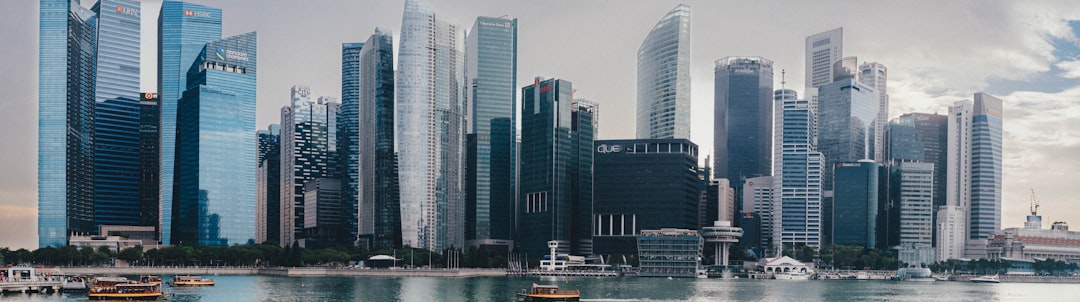
Singapore and Japan have upgraded their bilateral relationship to a Strategic Partnership, expanding cooperation across five critical areas as both nations navigate intensifying great power competition in the Indo-Pacific.
The elevation was formalized during Japanese Prime Minister Sanae Takaichi's official visit to Singapore, where she met with Prime Minister Lawrence Wong to sign a comprehensive framework covering defense, security, digital economy, sustainability, and people-to-people exchanges.
The timing reflects ASEAN's delicate balancing act between Washington and Beijing. While Singapore maintains strong economic ties with China—its largest trading partner—the city-state has deepened security cooperation with Japan and the United States as tensions rise over the South China Sea and Taiwan Strait.
Japan has emerged as a critical security partner for Southeast Asian nations seeking to diversify their defense relationships. Tokyo has increased coast guard training programs, maritime surveillance cooperation, and infrastructure financing across the region, positioning itself as a counterweight to China's growing military presence without the historical baggage that complicates U.S. engagement.
The five-point cooperation framework prioritizes defense and security, including joint exercises and intelligence sharing; digital economy collaboration on artificial intelligence and cybersecurity; through green technology partnerships; enhanced ; and expanded .