
Pakistan faces the prospect of petrol prices exceeding 400 rupees per liter in the coming weeks, a threshold that would mark a new level of economic distress and have significant ripple effects across the region, including neighboring Afghanistan.
"According to my analysis, petrol prices are going to cross 400 rupees, so be ready guys, inflation is coming," warned one economist analyzing government fuel pricing mechanisms and international oil markets. "Read the data and you will see automatically. Be ready guys, turn on extreme survival mode."
The anticipated price increase reflects multiple converging pressures: rising global oil prices, the continued depreciation of the Pakistani rupee against the dollar, and government taxation policies designed to meet revenue targets set by international lenders. For a country where the vast majority of goods transportation relies on road networks, fuel price increases cascade through the entire economy.
The regional implications of Pakistan's fuel crisis extend beyond its borders. For Afghanistan, which relies heavily on trade routes through Pakistan for imported goods and humanitarian supplies, transportation costs directly affect the price of everything from food staples to medical equipment. Aid organizations operating in Afghanistan have already reported budget pressures due to increased costs of moving supplies through Pakistani territory.
Cross-border trade, which provides livelihoods for communities on both sides of the Afghanistan-Pakistan border, becomes increasingly difficult as fuel costs rise. Traders operating between Peshawar, Quetta, and Afghan cities like Kabul and Kandahar find profit margins squeezed or eliminated entirely by transportation expenses.
For Afghan refugees living in Pakistan—officially numbered at 1.4 million registered individuals, with perhaps a million more undocumented—rising fuel prices compound existing economic hardships. Many refugees work in informal sectors where increased transportation costs either reduce their already marginal incomes or force them to spend more on commuting, leaving less for food and shelter.
The fuel price crisis also intersects with Pakistan's broader economic challenges documented in separate analyses showing record-high searches for "cheap food" among Pakistani internet users. Combined, these indicators paint a picture of an economy in severe distress, where basic necessities are becoming unaffordable for growing segments of the population.
Transportation sector workers, including bus and truck drivers, have already begun adjusting to the reality of higher fuel costs. Some operators have reduced services to less profitable routes, leaving rural and remote areas with diminished connectivity. Others have raised fares, passing costs to passengers who can ill afford the increases.
The agricultural sector faces particular vulnerability. Pakistan's farmers rely on diesel for irrigation pumps, tractors, and transportation of produce to markets. As fuel costs approach 400 rupees per liter, the economics of farming become increasingly precarious, potentially affecting food production in a country already struggling with food security.
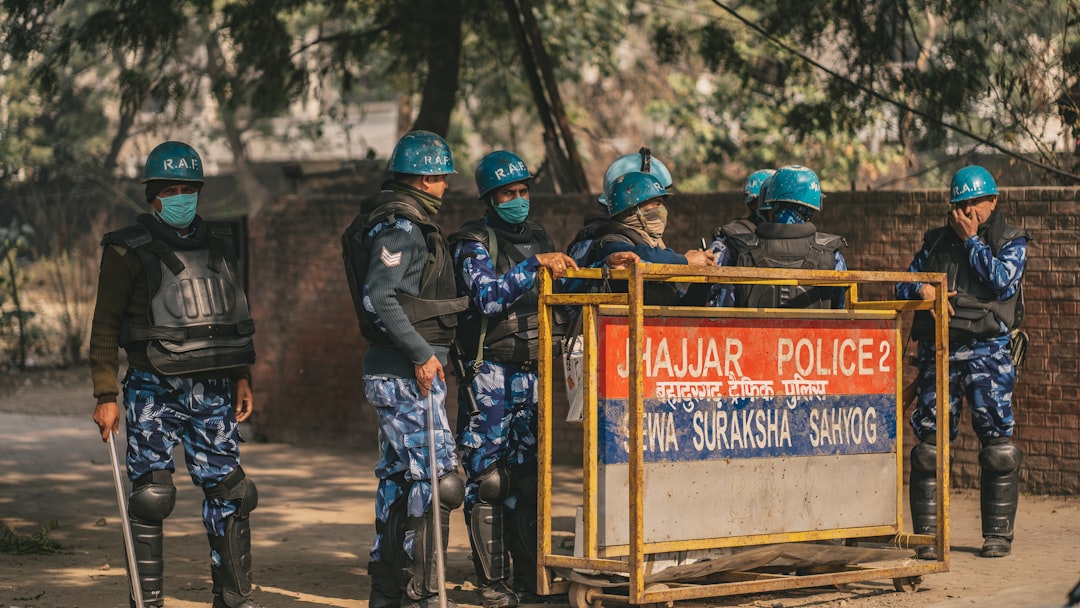
Politically, the fuel price crisis presents challenges for a government already facing public discontent over economic conditions. Previous fuel price increases have sparked protests and contributed to political instability. The prospect of crossing the 400-rupee threshold could trigger renewed unrest.
For Afghanistan, stable conditions in Pakistan matter significantly. Political or economic instability in Pakistan affects Afghanistan through trade disruption, refugee flows, and the capacity of international organizations to operate supply chains through Pakistani territory. The two countries remain economically interconnected regardless of political tensions or border incidents.
Energy experts note that Pakistan's fuel pricing challenges reflect structural issues in the economy: insufficient foreign exchange reserves, heavy dependence on imported petroleum products, and limited domestic refining capacity. Without addressing these underlying factors, fuel prices will remain vulnerable to international market fluctuations and currency depreciation.
In Afghanistan, as across conflict zones, the story is ultimately about ordinary people navigating extraordinary circumstances. The anticipated fuel price increases in Pakistan will affect Afghan refugees, traders, aid workers, and ordinary citizens whose lives are connected to Pakistan through economics, geography, or necessity.
As Pakistan prepares for what may be another painful economic adjustment, the human cost extends beyond statistical measures of inflation or currency values. It manifests in daily decisions about whether to take a bus to work, how to transport goods to market, or whether aid organizations can afford to deliver supplies to vulnerable populations in remote areas of Afghanistan and Pakistan alike.