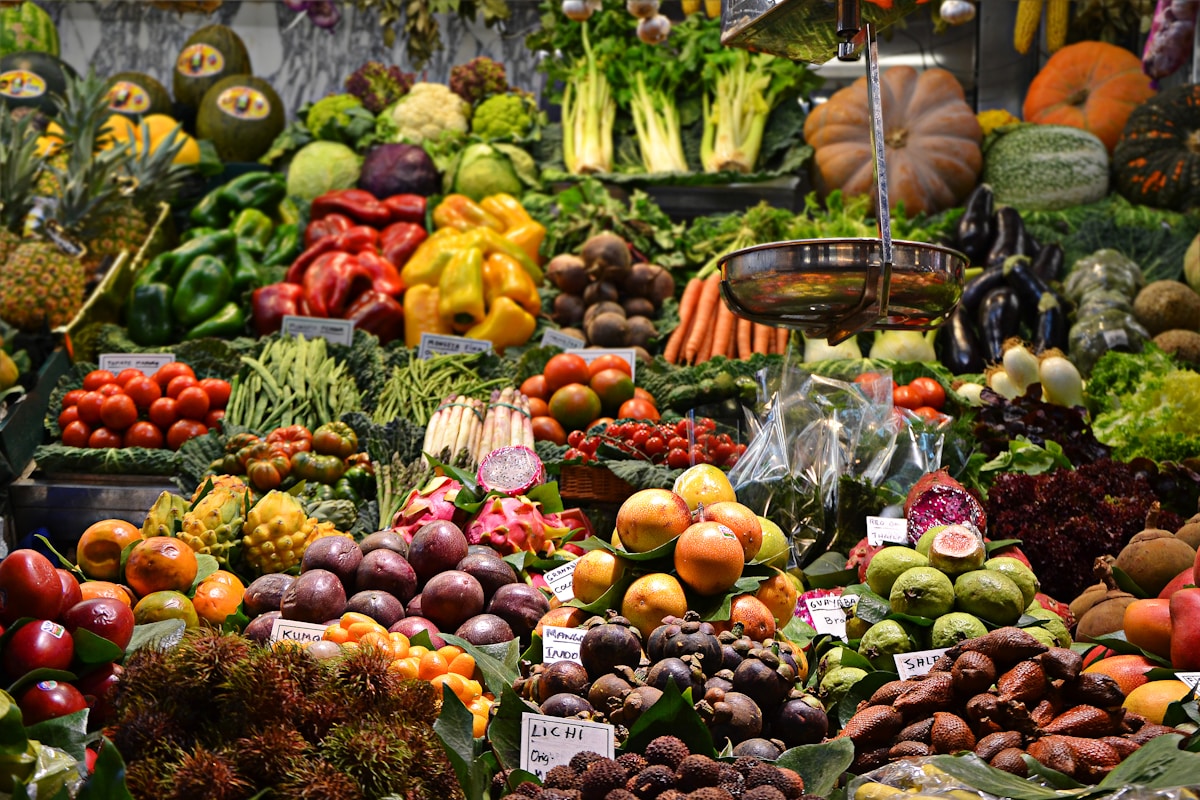
Google search data reveals a stark indicator of Pakistan's deepening economic distress: queries for "cheap food" have spiked to unprecedented levels since 2025, reflecting the growing desperation of ordinary citizens struggling to afford basic necessities.
Analysis of Google Trends data for Pakistan shows searches related to finding affordable food options have surged dramatically over the past year, far exceeding any previous peaks in the five-year dataset. The trend lines paint a troubling picture of a population increasingly unable to maintain even minimal standards of nutrition.
"People searching for 'cheap food' ideas and keywords on Google has spiked since 2025," noted one data analyst tracking economic indicators through digital behavior. "This is a trends-based analysis of how bad the hybrid regime is going so far."
The search pattern reflects the compound pressures facing Pakistani households: soaring inflation, currency devaluation, stagnant wages, and the removal of subsidies on essential goods as part of international bailout conditions. Food inflation in particular has outpaced general price increases, forcing families to fundamentally alter their diets and shopping habits.
For Afghanistan and the broader region, Pakistan's economic collapse carries significant implications. The two countries share not only a long border but also interconnected economies, with cross-border trade and the movement of people and goods affecting both nations. Pakistan hosts approximately 1.4 million registered Afghan refugees, with perhaps a million more undocumented. As economic conditions deteriorate, both the host communities and refugee populations face increasing hardship.
The economic crisis also affects the flow of humanitarian assistance to Afghanistan. Much international aid destined for Afghanistan is routed through Pakistan, and rising transportation costs due to fuel price increases directly impact the cost of delivering food aid, medical supplies, and other essential goods to Afghan communities.
Remittances from Pakistani workers abroad represent a crucial source of foreign exchange for the country, but even this lifeline has proven insufficient to stabilize the economy. The Pakistani rupee has depreciated significantly against major currencies, making imported goods, including food staples and fuel, increasingly expensive.
The "cheap food" search trend also reflects a broader regional challenge. Both Pakistan and Afghanistan face severe food security issues, though the causes differ. While Afghanistan's crisis stems primarily from decades of conflict, climate shocks, and the collapse of international support following the Taliban takeover, Pakistan's troubles arise from economic mismanagement, political instability, and the burden of servicing external debt.
Economists warn that the situation could deteriorate further. Pakistan is currently negotiating another bailout package with the International Monetary Fund, which typically requires additional austerity measures and subsidy removals. These conditions, while aimed at long-term fiscal stability, often increase short-term hardship for ordinary citizens.
The human dimension of these statistics is profound. Families that once enjoyed diverse diets now calculate the cheapest possible caloric intake. Middle-class households find themselves adopting survival strategies previously associated with poverty. Parents skip meals to ensure their children can eat.
In Afghanistan, as across conflict zones, the story is ultimately about ordinary people navigating extraordinary circumstances. The economic crisis in neighboring Pakistan demonstrates that even relative stability cannot shield populations from the human costs of economic collapse, a lesson Afghan civilians know all too well from their own experience of cascading crises.
For both countries, the challenge extends beyond immediate survival to questions of long-term development, regional stability, and the capacity of governments to provide basic security and services to their populations. The spike in "cheap food" searches is not merely a data point—it is a distress signal from millions of families struggling to feed themselves in an increasingly unforgiving economic environment.