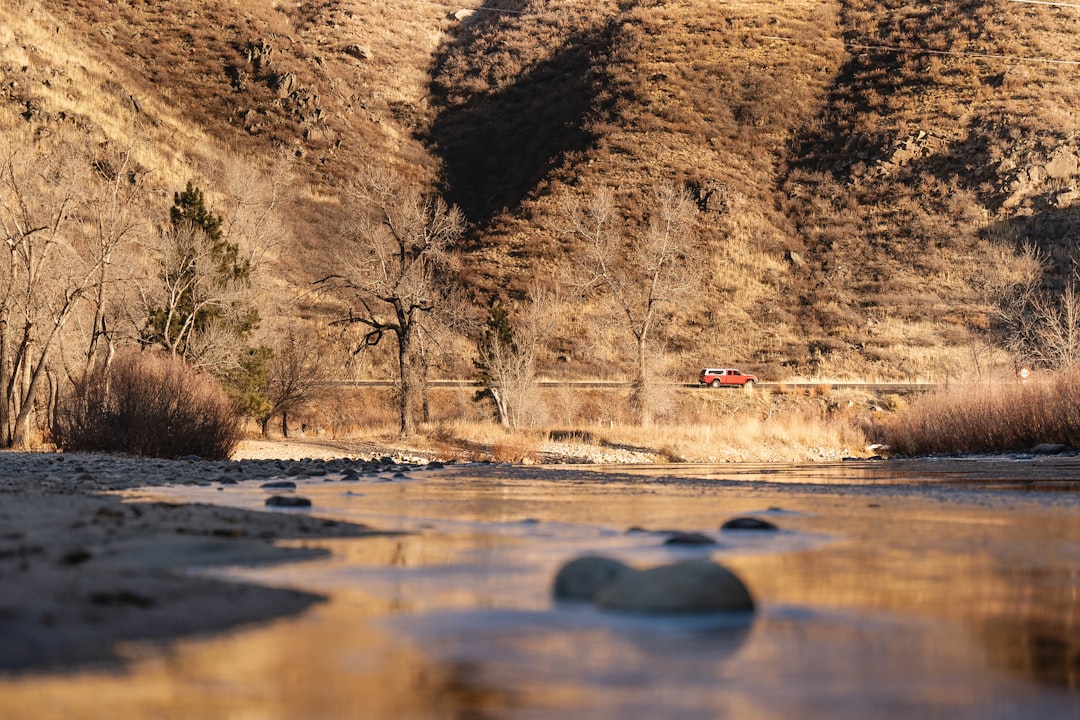
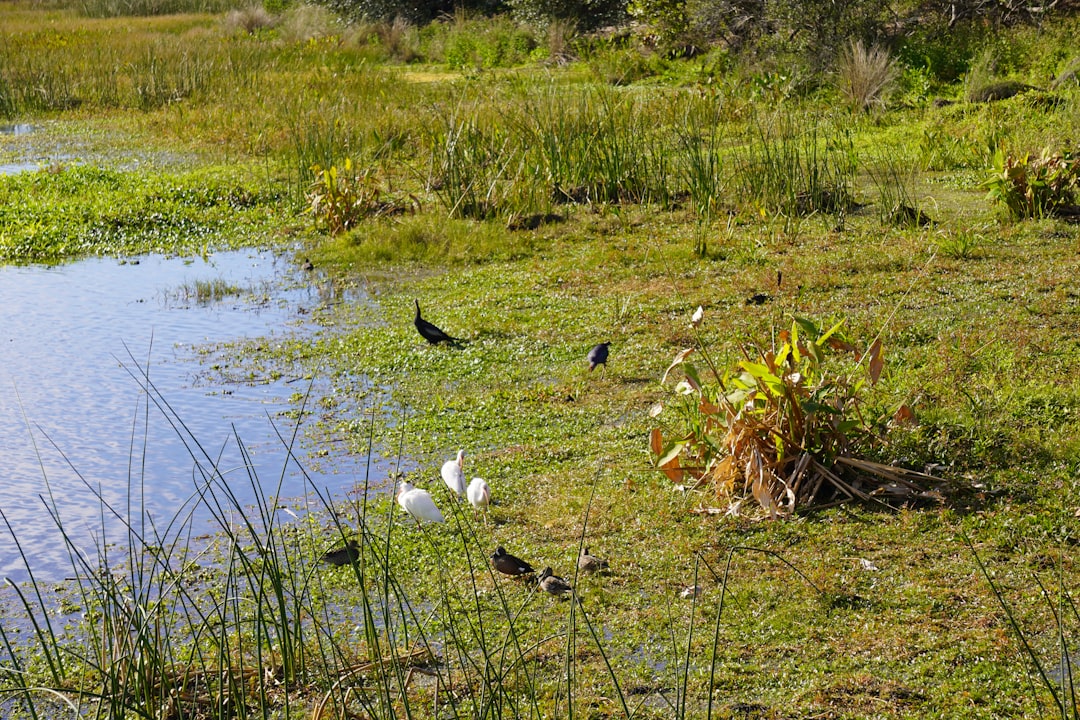
The frogs have stopped calling. The birds no longer gather at dusk. In New South Wales' once-vibrant wetlands, an eerie silence has descended—the result of government water delivery delays that have left critical ecosystems parched and wildlife populations collapsing.
Government documents obtained by The Guardian reveal that NSW officials repeatedly delayed water deliveries to key wetland systems even as ecologists warned of imminent biodiversity collapse. The bureaucratic inaction has transformed thriving habitats into barren mudflats.
"We don't hear the frogs anymore, we don't see the birds," said longtime resident Margaret Chen, whose property borders one of the affected wetlands. "It used to be alive with sound—now it's just... empty."
The silence evokes Rachel Carson's dire warning in Silent Spring, but this crisis stems not from pesticides but from water politics and administrative failure. As agriculture and urban demands strain Australia's river systems, environmental water allocations—meant to sustain ecosystems—become pawns in political negotiations.
The affected wetlands serve as crucial breeding grounds for waterbirds including endangered species like the Australasian bittern. Frog populations, already declining globally from climate change and disease, depend on these seasonal wetlands for reproduction. When water delivery is delayed by weeks or months, breeding cycles are disrupted and entire cohorts of wildlife simply fail to materialize.
Documents show that between 2023 and 2025, water meant for environmental flows was held back during critical breeding periods, with officials citing "operational constraints" and "system capacity" issues. Ecologists argue these delays were preventable with proper planning and prioritization.
"This isn't a drought situation—this is allocated environmental water that simply wasn't delivered when ecosystems needed it," explained wetland ecologist Dr. James Thornton. "The government made a choice, and wildlife paid the price."
The crisis illustrates a broader challenge facing wetlands worldwide. Despite international recognition of their importance—wetlands support 40% of the world's species despite covering just 6% of Earth's surface—they continue disappearing faster than forests. Since 1900, an estimated 64% of wetlands have been lost globally.
In nature, as across ecosystems, every species plays a role—and humanity's choices determine whether the web of life flourishes or frays. Wetlands exemplify this delicate balance: they require active management in human-altered landscapes, yet bureaucratic systems designed for agricultural irrigation often fail to recognize ecological urgency.
Some Australian wetlands have recovered dramatically when environmental water is delivered reliably, with bird populations rebounding within seasons. The Macquarie Marshes, for instance, saw massive waterbird breeding events following consistent flooding. The contrast between success stories and the current NSW failures demonstrates that political will, not water scarcity, often determines ecosystem fate.
Conservationists are calling for independent oversight of environmental water delivery, with binding timelines and penalties for delays. They argue that without accountability mechanisms, wetland allocations will continue serving as a "flex fund" for agricultural interests.
For the frogs that once filled NSW nights with song and the ibis that once darkened wetland skies in vast flocks, accountability comes too late this breeding season. Whether their silence becomes permanent depends on whether bureaucrats finally recognize that for ecosystems, timing isn't everything—it's the only thing.