California wildlife officers seized 40 shark fins—both dried and frozen—from a private jet that departed Hawaii in February, exposing a sophisticated trafficking operation using private aviation to circumvent wildlife protection laws.
The California Department of Fish and Wildlife intercepted the aircraft when it landed in California, conducting a search after passengers admitted to possessing the fins. Authorities referred the case to the district attorney's office as investigators trace the source and potential trafficking network.
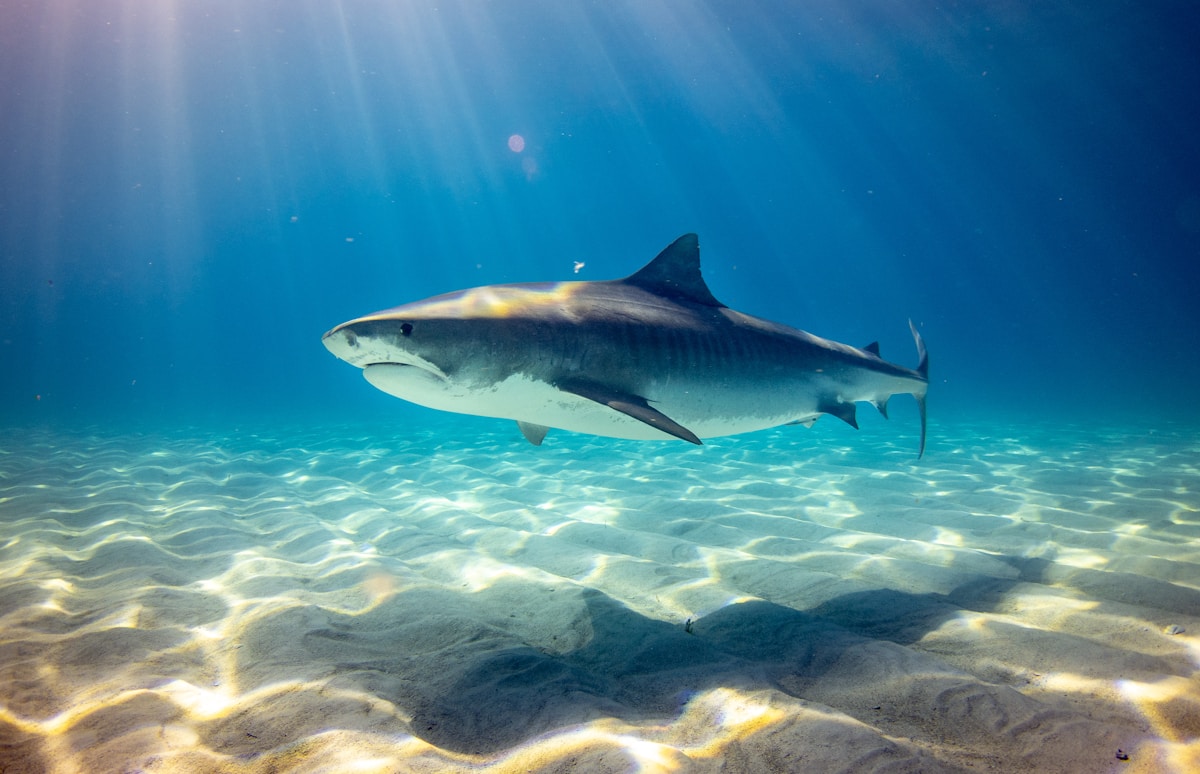
Possessing and transporting detached shark fins is illegal throughout the United States and much of the world—regulations enacted to combat the brutal practice of shark finning, where fins are sliced from live sharks before the animals are discarded into the ocean to die. Most shark species require continuous swimming to force water over their gills; without fins, they sink and suffocate.
The seizure reveals how wildlife trafficking adapts to enforcement. Private jets bypass commercial airport security screening, offering smugglers discrete transport for high-value illegal wildlife products. Shark fins command premium prices in international markets where they're used primarily for soup considered a delicacy, despite having negligible nutritional value and containing high mercury levels.
In nature, as across ecosystems, every species plays a role—and humanity's choices determine whether the web of life flourishes or frays. Sharks function as apex predators regulating marine ecosystems; their removal triggers cascading effects throughout ocean food webs. Global shark populations have declined more than 70% since 1970, driven largely by finning operations that kill an estimated 73 million sharks annually.
The Hawaii connection raises questions about local sourcing. While the investigation continues, the discovery highlights enforcement challenges in island ecosystems where shark populations already face pressure from overfishing, habitat degradation, and climate change. Hawaii banned shark fishing in state waters in 2021, but federal waters remain accessible to commercial operations.
This case demonstrates wildlife crime operates as organized criminal enterprise, not opportunistic poaching. Using private aviation suggests traffickers possess significant resources and sophisticated logistics—characteristics of networks that move multiple illegal wildlife products globally. Shark fins often travel alongside other contraband including protected corals, endangered species, and trafficked wildlife.
The 40 seized fins represent dozens of dead sharks, each an apex predator removed from ocean ecosystems. Whether great whites, hammerheads, or other species, their loss compounds population declines that threaten marine biodiversity and fisheries productivity. Shark conservation requires disrupting the trafficking networks that profit from their slaughter.