
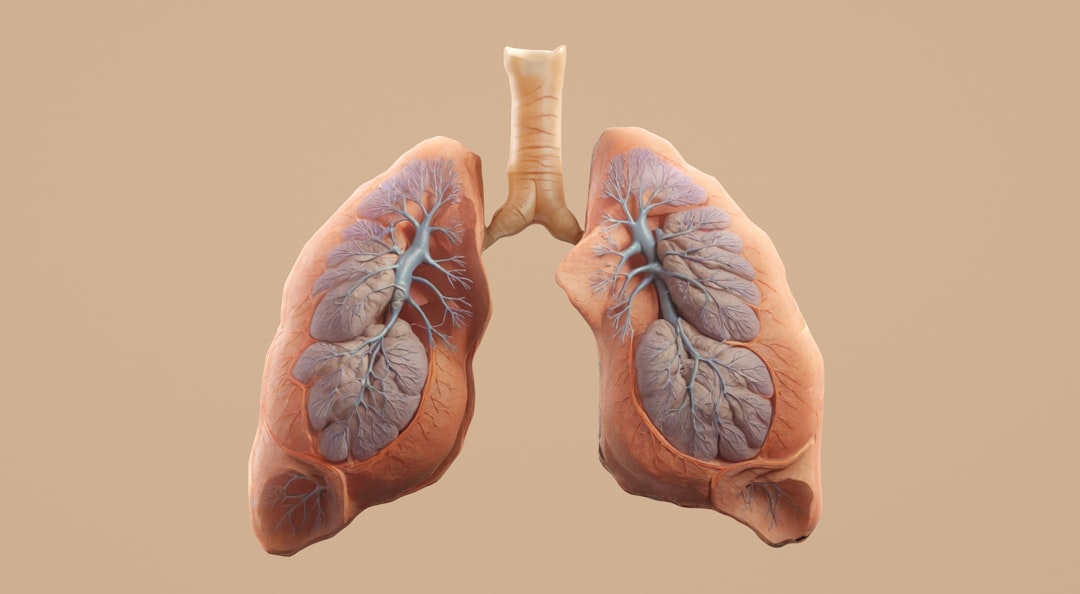
Your immune system is supposed to protect you. But new research from University of Virginia reveals something unsettling: severe respiratory infections like COVID-19 and flu can reprogram immune cells in your lungs, potentially setting the stage for cancer months or even years after you've recovered.
The discovery centers on what researchers call immune cell "reprogramming." When you fight off a serious viral infection—severe enough to land you in the hospital—something changes in the protective immune cells stationed in your lungs. These cells, rather than continuing their cancer-surveillance duties, trigger persistent inflammation that actually promotes tumor development.
Jie Sun and colleagues at UVA Health studied both animal models and hospitalization records. What they found was striking: people admitted with severe COVID-19 faced elevated lung cancer risk, independent of smoking history or other health problems. The pattern held across species—what happened in laboratory mice also appeared in human patients.
The mechanism is elegantly troubling. Serious infections don't just damage lung tissue temporarily. They alter the cells lining the lungs and air sacs, creating an environment where cancer finds it easier to take hold. Think of it as turning off the neighborhood watch while leaving the doors unlocked.
But here's the encouraging part: vaccination appeared to prevent these cancer-promoting changes. The protective effects were significant. Higher cancer risks only emerged in patients with severe illness requiring hospitalization, not in those with mild cases. As Sun noted, "Vaccination appeared to prevent these cancer-promoting changes, helping the immune system fight infections before they become severe."
Now, the important caveats. Cancer develops slowly. Many severe COVID-19 survivors—particularly those with smoking histories—may face increased risk in coming years. The researchers recommend enhanced surveillance for high-risk populations, though this represents preventive monitoring rather than proven intervention.
The study doesn't mean every severe respiratory infection leads to cancer. Risk remains elevated, not certain. And the mechanisms involved are complex enough that we're still mapping the full picture.
What this research provide is another compelling reason to take vaccination seriously. Not just for the acute infection, but for what your immune system might be doing—or failing to do—years down the road.