A New Zealand town has successfully restored a rare native forest through sustained community planting efforts, demonstrating that conservation succeeds when local communities commit to long-term stewardship of their natural heritage.
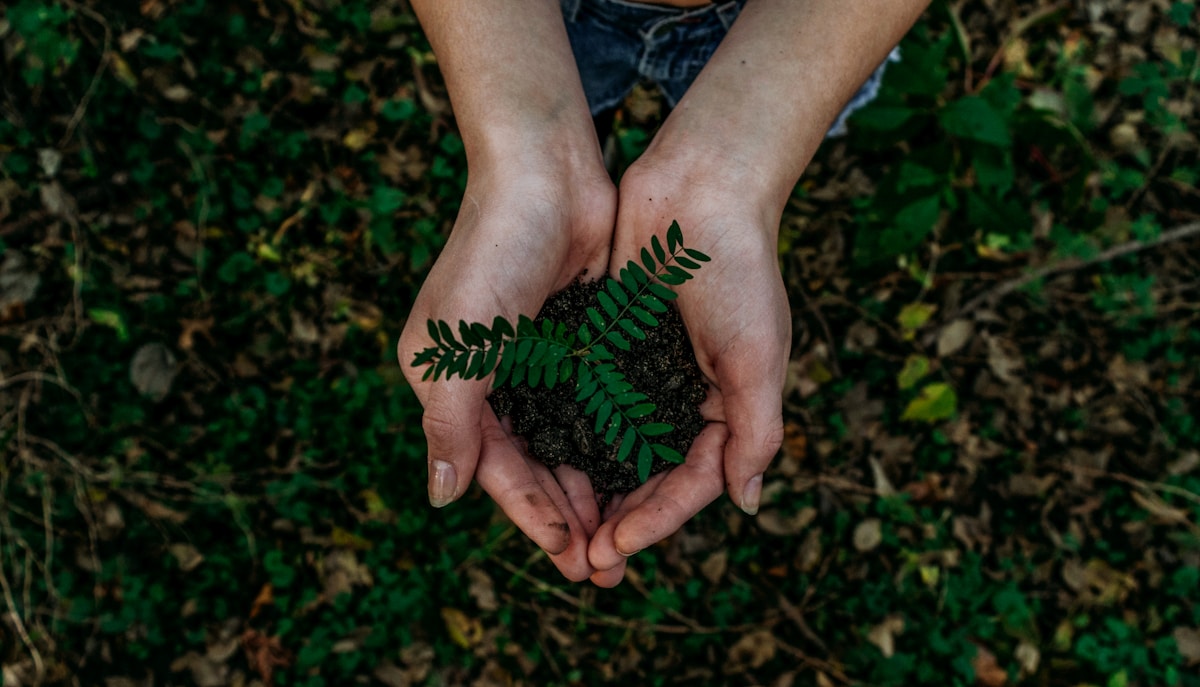
The restoration project has brought back native bush that once covered much of the region but vanished during colonial-era land clearing. Volunteers have planted thousands of native seedlings—rimu, totara, kahikatea, and other species endemic to New Zealand—transforming degraded pasture back into functioning forest ecosystem.
What makes this project remarkable isn't scale or funding, but persistence. Community members have shown up season after season, year after year, nurturing seedlings through establishment, controlling invasive weeds, and protecting young trees from browsing pests. Forest restoration requires patience; native trees grow slowly, and ecosystems rebuild gradually. The community understood this and committed anyway.
"We're not just planting trees," one volunteer explained. "We're bringing back the birds, the insects, the soil microbes—the entire web of life that belongs here."
Indeed, native birds are already returning. The tui, with its distinctive white throat tuft and melodious song, now frequents the restored canopy. Fantails dart through understory vegetation that didn't exist a decade ago. As the forest matures, rarer species—perhaps even the kiwi—may follow.
New Zealand's native forests face unique conservation challenges. The islands evolved without mammalian predators, so native birds developed ground-nesting behaviors that make them vulnerable to introduced rats, stoats, and possums. Successful forest restoration requires not just replanting native species, but ongoing pest control to protect the wildlife that depends on those forests.
This community has embraced that complexity. Alongside tree planting, they've established trap lines targeting invasive predators, creating a predator-controlled sanctuary where native species can thrive. The approach reflects modern conservation science: ecosystems need active management, not passive protection, especially in landscapes fundamentally altered by human activity.
In nature, as across ecosystems, every species plays a role—and humanity's choices determine whether the web of life flourishes or frays. Community-led restoration demonstrates that those choices can be positive. When people understand what they've lost—birdsong, forest shade, the rustle of wind through native canopy—they often work to bring it back.
The project also provides educational opportunities. School groups visit the restoration site, learning to identify native plants, understand forest ecology, and participate in planting efforts. Children who plant trees develop a stake in the forest's future—they'll return as adults to see how their seedlings have grown.
Community-based conservation succeeds because it benefits both nature and people. The restored forest provides recreation, improves water quality, stores carbon, and creates habitat for native species. The community gains a source of local pride, a place to gather, and tangible evidence that environmental decline isn't inevitable.
Conservation victories often go unnoticed because they unfold slowly, lacking the drama of crisis. But these quiet successes matter enormously. Every restored forest represents habitat for species that would otherwise disappear, every protected wetland filters water for communities downstream, every predator-controlled sanctuary gives native wildlife a fighting chance.
The New Zealand restoration also demonstrates that conservation works across economic divides. Participants include farmers, teachers, retirees, and students—people from different backgrounds united by commitment to their local environment. This social dimension of conservation is often overlooked: environmental stewardship builds community cohesion as effectively as it rebuilds ecosystems.
As biodiversity declines globally, community-led restoration offers a template for reversing local extinctions and habitat loss. It requires patience, persistence, and willingness to think in decades rather than election cycles or fiscal quarters. But when communities commit, forests return—and with them, the species that call those forests home.
The restored native forest in New Zealand stands as proof that conservation succeeds when we commit to it, that damaged ecosystems can recover with help, and that humanity's relationship with nature doesn't have to be extractive. Sometimes we can give back what we've taken, restore what we've damaged, and create space for the wild things to flourish once again.