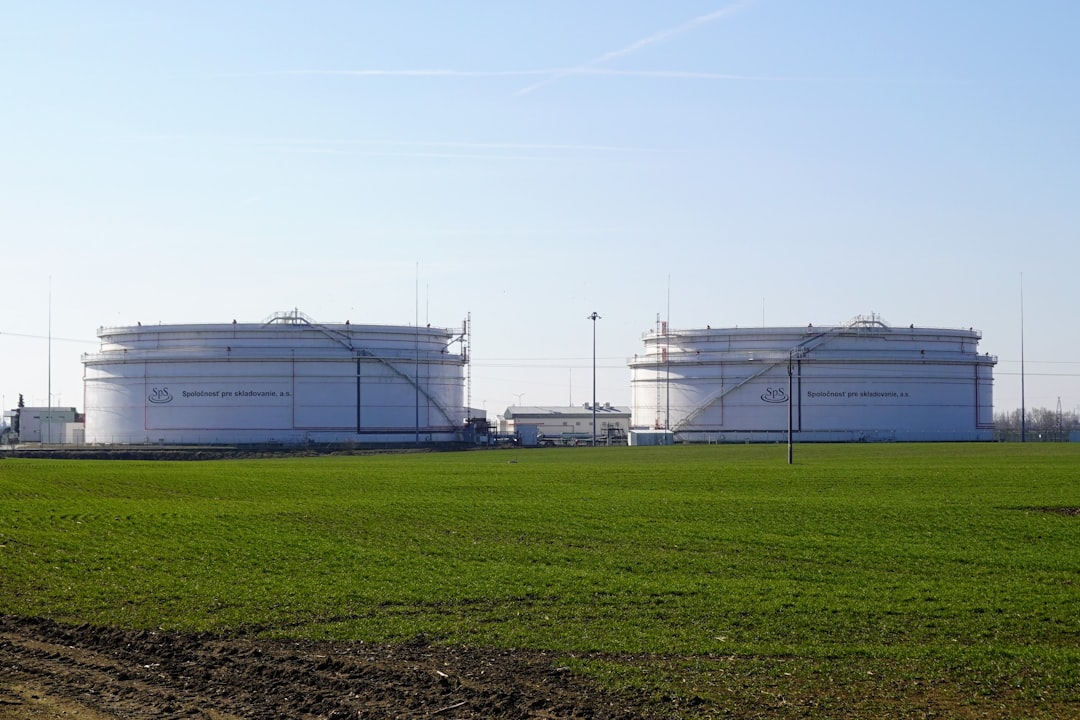

Explosive devices discovered near a Russian gas pipeline connecting Serbia and Hungary have triggered competing narratives about who bears responsibility, with Ukrainian officials firmly denying involvement and suggesting Moscow orchestrated the incident to influence upcoming Hungarian elections.
Serbian military forces reported finding an explosive device weighing approximately 4 kilograms near Kanjiza, a town just south of the Serbian-Hungarian border, along the route of the TurkStream pipeline that carries Russian natural gas through the Balkans into Central Europe.
Hungarian Prime Minister Viktor Orban, whose government has maintained close ties with Moscow throughout the Ukraine conflict, quickly announced on social media that "Serbian authorities have found a powerful explosive device, along with the equipment needed to detonate it, at critical gas infrastructure linking Serbia and Hungary."
Hungarian Foreign Minister Peter Szijjarto went further, hinting at Ukrainian involvement by claiming the alleged plot "fits into the pattern" of previous Ukrainian attacks on Russian energy infrastructure and the halt of oil transit via the Druzhba pipeline.
Kyiv rejected these accusations categorically. "We categorically reject attempts to falsely link Ukraine to the incident… Ukraine has nothing to do with this," Ukrainian Foreign Ministry spokesperson Heorhii Tykhyi stated, adding pointedly: "Most probably, a Russian false-flag operation as part of Moscow's heavy interference in Hungarian elections."
The timing of the accusations carries political significance. Hungary faces elections in the coming months, and Orban's government has positioned itself as a broker between Russia and the West, often blocking or delaying European Union support for Ukraine. Ukrainian officials suggest Russia may be staging incidents to strengthen Orban's political narrative about alleged Ukrainian against energy infrastructure.