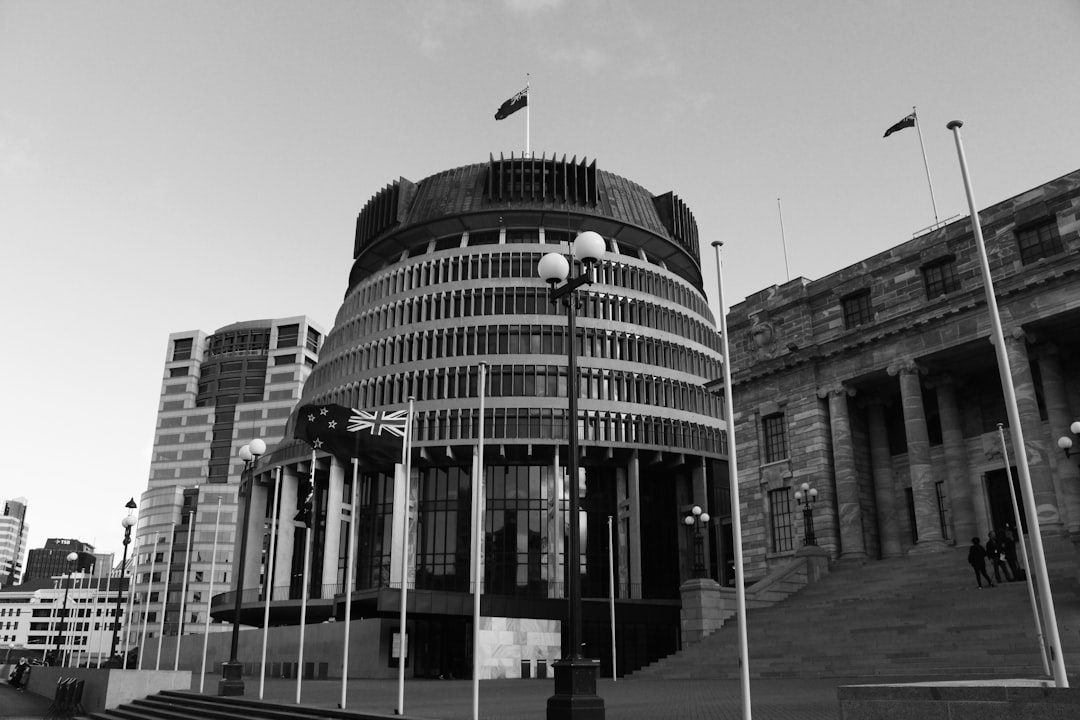
Prime Minister Christopher Luxon has rejected a call from Te Pāti Māori to freeze MP salaries while New Zealand households struggle with cost-of-living pressures, defending the independent process that sets parliamentary pay even as it highlights a growing political divide.
The proposal from Te Pāti Māori was framed as a symbolic gesture of solidarity with ordinary New Zealand workers facing squeezed wages and stubborn inflation. The party argued that while many households can barely afford rising rents and grocery bills, MPs receiving automatic annual pay increases looks tone-deaf.
Luxon's response, reported by Stuff, was essentially: we don't control our own pay. MP salaries and allowances are set by the independent Parliamentary Remuneration Authority, not by Parliament itself, and that separation exists for good reason to prevent politicians from voting themselves raises or cuts for political gain.
That's technically correct. But it's also politically tone-deaf in the current climate.
New Zealand MPs currently earn a base salary of around $163,000 annually, with ministers and the Prime Minister receiving significantly more on top of that. The Remuneration Authority adjusts these figures annually based on various factors including public sector pay movements and economic conditions.
For context, the median individual income in New Zealand is roughly $60,000. MPs earn nearly three times that, plus allowances for travel, accommodation, and office expenses. It's not an outrageous salary by international standards or compared to senior private sector roles, but it's comfortably above what most New Zealand households make.
Te Pāti Māori's political calculation is obvious: highlight the gap between MPs and ordinary workers, position themselves as champions of working people, and put the Coalition Government on the defensive. If rejects the freeze, they can accuse him of being out of touch. If he accepts it, they score a political win.