New Zealand Finance Minister Nicola Willis faced pointed questions about fuel security, pricing volatility, and tax settings during a Morning Report interview, as concerns grow about the country's energy resilience and the cost pressures hitting consumers.
The appearance comes amid broader questions about whether New Zealand maintains adequate fuel reserves and whether government policy is making energy costs worse for households already squeezed by inflation.
Mate, fuel security isn't sexy policy. It doesn't make headlines until something goes wrong. But for an island nation at the bottom of the Pacific, it bloody well matters.
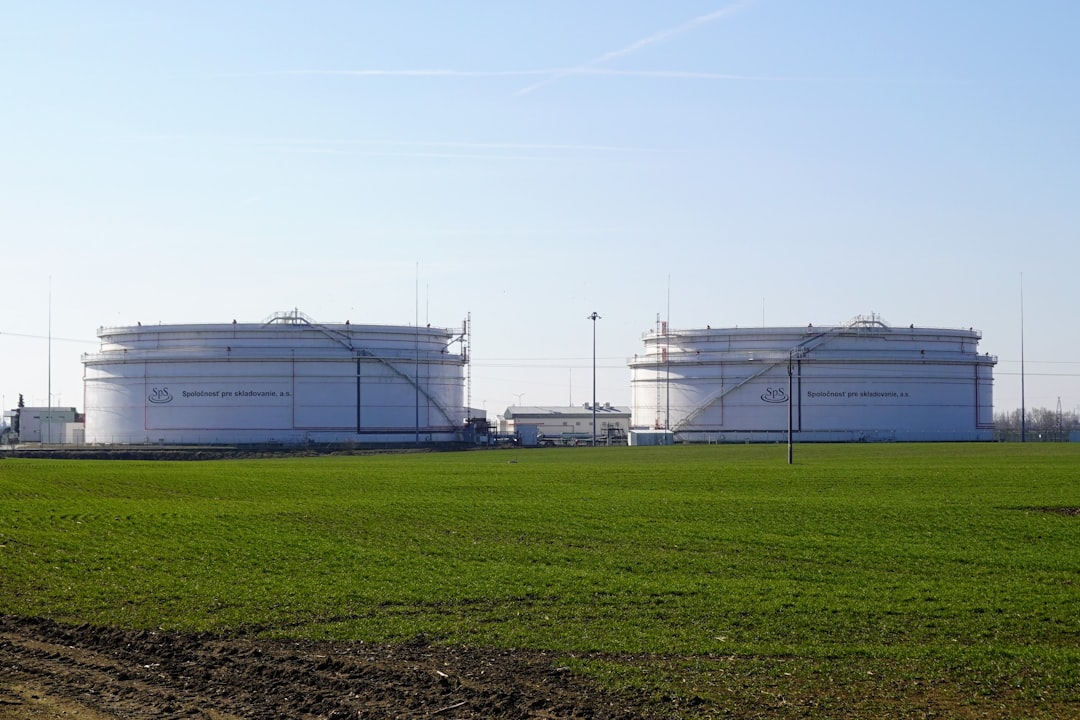
Willis was pressed on New Zealand's current fuel stock levels and whether they meet international standards for energy security. The country relies heavily on imported petroleum products, with most fuel arriving by ship and stored at facilities in Auckland and Marsden Point.
The International Energy Agency recommends member countries maintain emergency oil stocks equivalent to at least 90 days of net imports. Questions have been raised about whether New Zealand consistently meets that threshold, particularly as the country's fuel infrastructure ages and import patterns shift.
Willis defended the government's approach, arguing that fuel stocks are being monitored and that New Zealand has systems in place to manage supply disruptions. But she provided few specifics about current stock levels or contingency planning.
On pricing, the Finance Minister acknowledged that fuel costs remain a significant concern for households and businesses. Petrol prices in New Zealand have been volatile over the past year, driven by global oil markets, exchange rate fluctuations, and local factors including taxes and wholesale margins.
Critics argue that the government's fuel excise tax and the Auckland regional fuel tax add unnecessary cost burdens during a cost-of-living crisis. Willis has previously resisted calls to reduce fuel taxes, arguing that the revenue is needed for transport infrastructure and that temporary tax cuts often fail to deliver sustained relief to consumers.
But public patience is thin. New Zealand households are dealing with stubborn inflation, rising mortgage costs, and wages that haven't kept pace. When petrol hits $3 a litre in parts of the country, people want answers about why and what the government plans to do about it.
The fuel security question also connects to broader energy transition challenges. New Zealand has committed to ambitious emissions reduction targets, which means shifting away from fossil fuels over time. But that transition requires massive investment in alternatives, electrification of transport, and ensuring energy reliability during the shift.
Right now, New Zealand remains heavily dependent on imported petroleum. The country's sole oil refinery at Marsden Point closed in 2022, meaning all petrol and diesel is now imported as refined product. That increased dependence on international supply chains and removed a degree of local processing flexibility.
Energy experts have warned that New Zealand's fuel supply chain is more vulnerable than it was a decade ago. Storage capacity is limited, there's no domestic refining buffer, and the country is geographically isolated from alternative suppliers in the event of disruption.
Willis's interview highlighted these tensions: a government trying to manage energy costs, maintain fuel security, fund infrastructure through fuel taxes, and transition toward lower emissions, all while facing political pressure to provide immediate relief.
It's a complicated equation. But for New Zealand households filling up the tank and watching the price climb, the complications don't make it any easier to afford.