
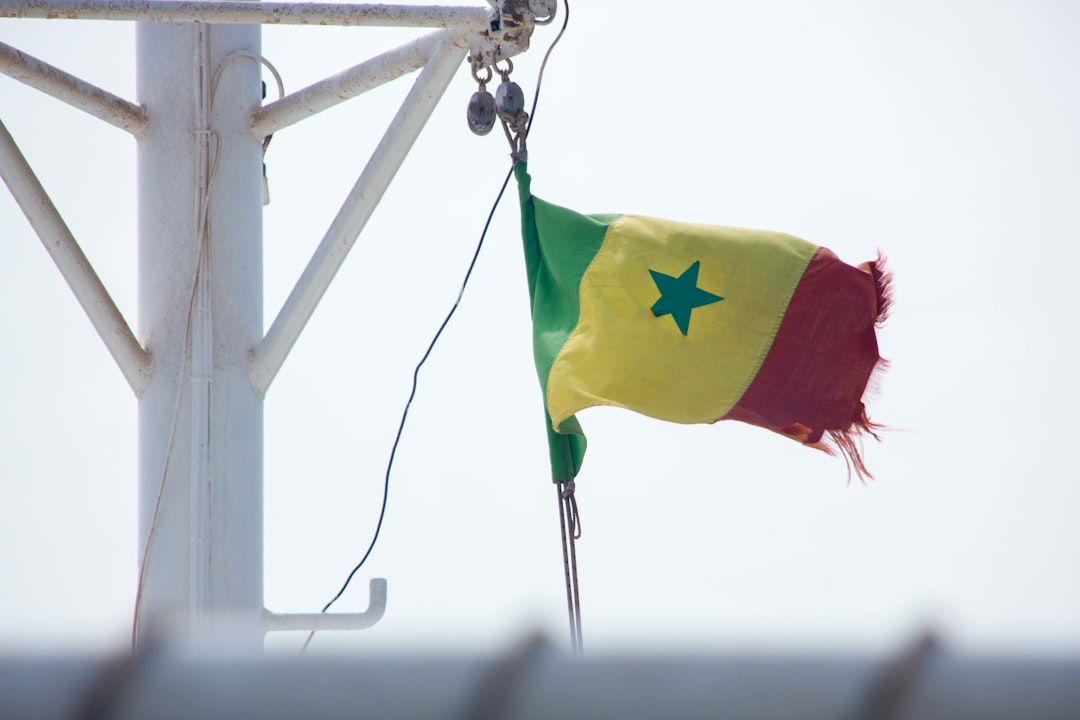
Senegal has suspended all non-essential foreign travel for ministers and senior government officials in a fiscal discipline move that stands in sharp contrast to spending patterns across much of the continent.
The directive, announced by President Bassirou Diomaye Faye's administration, is part of a broader austerity program aimed at reducing government expenditure and redirecting resources toward development priorities. No cost estimate has been released, but analysts say the symbolic value may matter as much as the savings.
"This is about changing the culture of governance," says Dr. Cheikh Mbacké Gueye, an economist at Université Cheikh Anta Diop in Dakar. "For decades, foreign travel has been one of the most visible forms of elite privilege across Africa. Cutting it sends a message about priorities."
The move comes as Senegal prepares to begin oil and gas production, which could transform the nation's fiscal position within the next few years. But President Faye, who took office in 2024 on an anti-corruption platform, has made clear that resource wealth must benefit ordinary Senegalese, not just the political class.
The contrast with other African governments is striking. In Kenya, public outcry erupted in 2023 when it emerged that government officials had spent billions of shillings on foreign trips while pushing austerity measures on citizens. Similar patterns have been documented in Nigeria, South Africa, and elsewhere.
"Ministers flying business class to conferences while hospitals lack medicine creates a credibility problem," notes Aminata Touré, a Senegalese governance activist. "Citizens notice the disconnect."
But skeptics question whether the policy will hold or whether it's primarily a public relations exercise. Previous governments across the continent have announced similar measures, only to quietly abandon them after media attention faded.