The guided safari is not the only way to experience Africa. It is simply the most aggressively marketed one. For travelers willing to do a little advance research and accept that they will navigate rather than be navigated, self-drive safari travel offers something guided tours cannot: complete freedom, genuine solitude in wildlife areas, and costs that are dramatically lower.
Namibia is the best country on the continent to attempt this. Not because it is the easiest African destination overall, but because its self-drive infrastructure is unusually well-developed: paved roads connect most major tourist destinations, the national park camp network is managed by NamibiaWildlife Resorts (NWR) and reliably bookable in advance, and traffic volumes in the north are low enough that driving on the left feels manageable within a day.
A detailed 23-day self-drive itinerary discussed on r/solotravel — covering South Africa's Garden Route and a comprehensive circuit of Namibia — illustrates what an ambitious but achievable independent southern Africa trip looks like in practice.
The Namibia Circuit: Core Stops
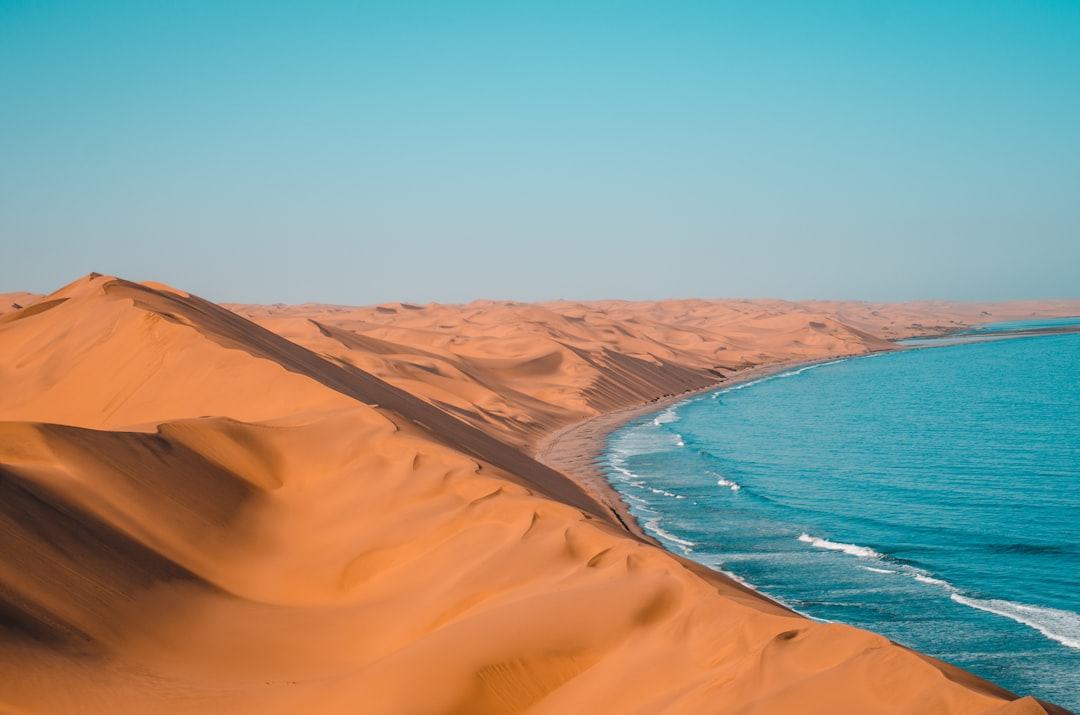
Sossusvlei and Deadvlei are the visual centerpieces of any Namibia trip: the enormous orange dunes of the Namib Desert, the ghost forest of calcified trees rising from a white clay pan, the silence. The dunes are most photogenic — and most walkable — in the two hours around sunrise. The NWR camp at Sesriem is the only accommodation with park access before the gate opens at sunrise, making it the essential base.
Etosha National Park is Namibia's flagship wildlife destination and one of the easiest parks in Africa to self-drive. The pan's alkaline flatness means animals are visible from enormous distances; the network of waterholes (some floodlit for evening viewing) effectively guarantees sightings of elephant, lion, zebra, and giraffe with patience rather than luck. Book NWR camps inside the park in advance — Okaukuejo, Halali, and Namutoni each offer different park access and different wildlife specialties.