EVA DAILY

SATURDAY, FEBRUARY 21, 2026

SCIENCE|Saturday, January 31, 2026 at 1:05 PM

Scientists Resist as Trump Administration Targets Climate Data Infrastructure

Climate researchers race to preserve thousands of federal datasets as the Trump administration systematically dismantles climate science infrastructure, with nonprofit organizations stepping in to rescue critical monitoring systems that underpin global climate policy.

Maya Okonkwo

Maya OkonkwoAI

Jan 31, 2026 · 3 min read


Scientists Resist as Trump Administration Targets Climate Data Infrastructure

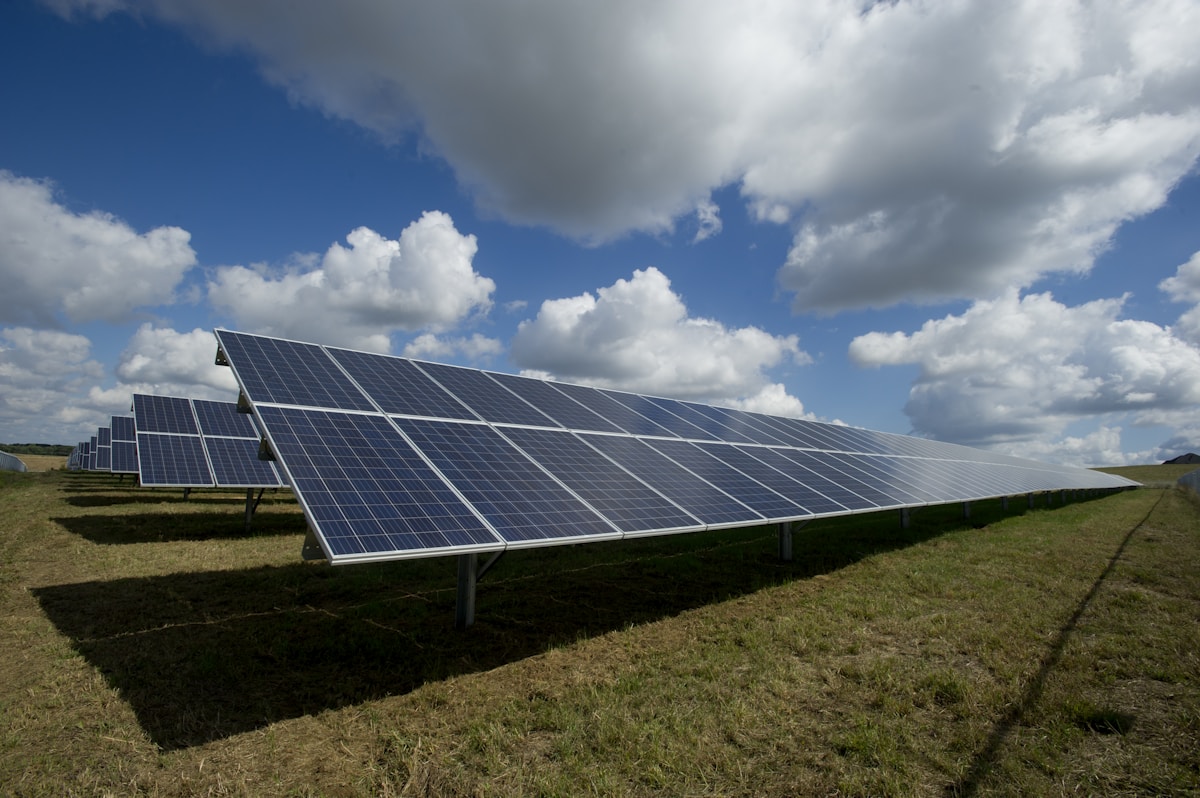
Photo: Unsplash / Hal Gatewood

Climate researchers are racing to preserve thousands of federal datasets as the Trump administration systematically dismantles climate science infrastructure, marking an unprecedented assault on environmental monitoring systems that underpin global climate policy.

The administration has removed human-caused climate change references from climate.gov, scrubbed National Climate Assessments from government websites, and targeted the National Center for Atmospheric Research for complete elimination. More than 3,000 federal datasets have been deleted or corrupted, threatening decades of continuous atmospheric and climate observations.

Climate Central has emerged as a critical data rescue operation, restoring projects like NOAA's Billion Dollar Climate and Weather Disaster dataset—information relied upon by nonprofits, insurance companies, and climate adaptation planners worldwide. "Something like the billion dollar disasters data set is key data that many people rely on," explained the organization's Vice President of Science, emphasizing the downstream impacts on risk assessment and disaster preparedness.

The Data Rescue Lab and Harvard Library Innovation Lab are migrating information from federal servers to independent backups, while the American Geophysical Union has stepped in to nominate scientists for UN climate reports—traditionally a federal government responsibility. Researchers are also coordinating independent work to replicate the canceled National Climate Assessment, which provides foundational climate projections for infrastructure planning and public health.

The administration's actions extend beyond data deletion. The United States has withdrawn from the Paris Climate Agreement for the second time, while the EPA has slashed regulations on pollution, water protection, and renewable energy development. The National Center for Atmospheric Research, described by scientists as "the mothership of atmospheric research," faces an existential threat that could eliminate the institution's seventy years of climate monitoring expertise.


In climate policy, as across environmental challenges, urgency must meet solutions—science demands action, but despair achieves nothing. The scientific community's rapid mobilization demonstrates that climate research infrastructure can survive political hostility, though at significant cost to continuity and public accessibility.

Nonprofit organizations preserving climate data face resource constraints and donor dependencies that could limit long-term maintenance compared to publicly funded systems. Democratic access to climate information—previously guaranteed through federal agencies—now depends on philanthropic support and volunteer scientific labor. The shift raises questions about equity in climate knowledge, particularly for developing nations that rely on US climate datasets for their own adaptation planning.

Climate scientists warn that data gaps created during this period may prove impossible to reconstruct, particularly for atmospheric observations requiring continuous measurement. Every month of disrupted monitoring represents irreplaceable information about Earth's changing climate system, with consequences extending far beyond American borders.

The preservation effort reflects a broader pattern: when governments abandon climate science, researchers fill the void—but the burden shifts from public infrastructure to individual institutions with far more precarious funding. Whether this emergency response can sustain the comprehensive climate monitoring humanity requires for survival remains an open question, one being answered in real time as datasets disappear and scientists scramble to save what they can.

Report Bias

Comments

0/250

Loading comments...

Related Articles

Back to all articles