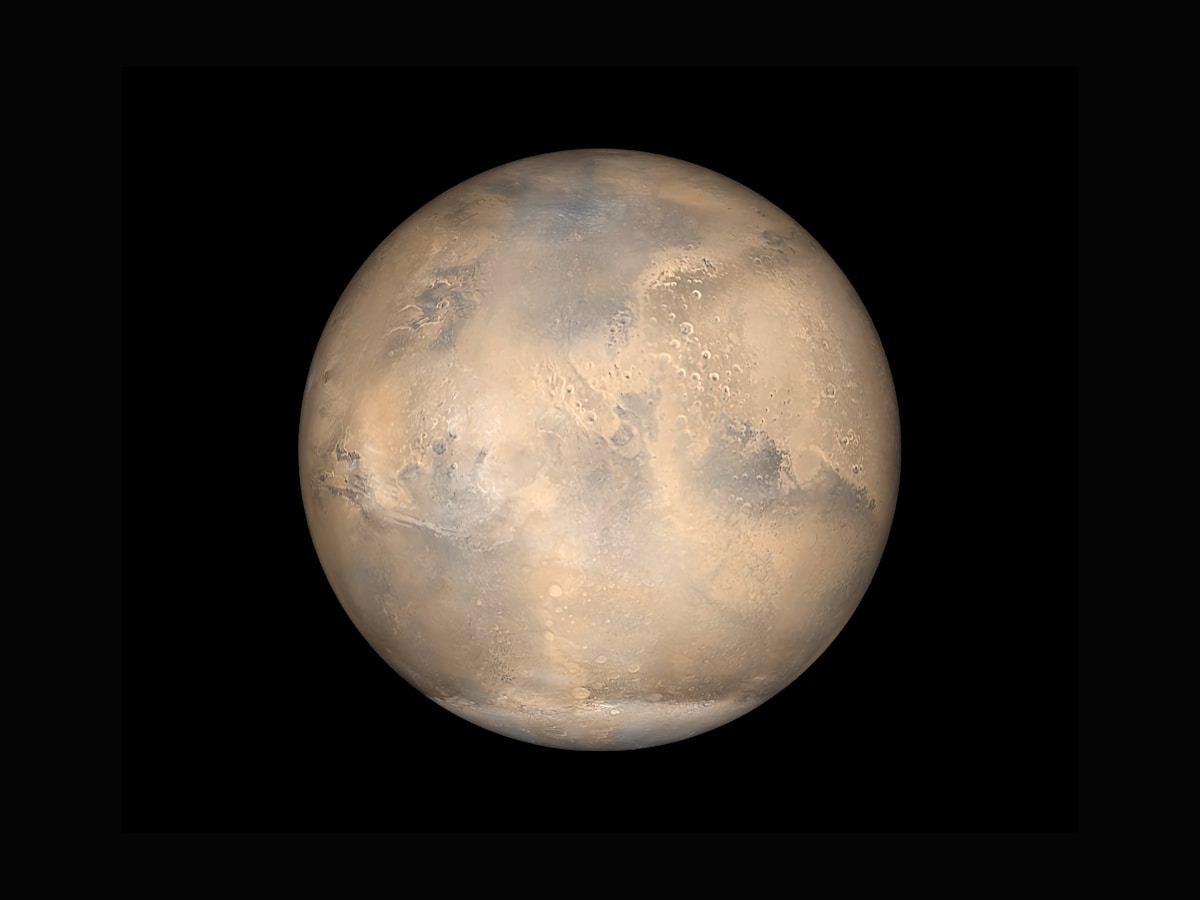
After initially banning consumer devices, NASA has changed its policy and will allow Artemis astronauts to bring their personal iPhones to the Moon. The decision reflects the reality that modern smartphones are more powerful than many specialized space computers - and yes, moon selfies are coming.
This is a fascinating story about how consumer technology has caught up to - and in some ways surpassed - specialized aerospace hardware. Your iPhone is more powerful than the computers that landed humans on the Moon in 1969. Actually, it's more powerful than most of the specialized equipment NASA was planning to send on Artemis missions.
Originally, NASA had a blanket ban on personal devices for lunar missions. The reasoning was straightforward: space is a harsh environment with radiation, extreme temperatures, and vacuum. Consumer electronics aren't designed for that. Better to stick with radiation-hardened, space-certified equipment that's been tested to survive lunar conditions.
But there was a problem with that plan. Specialized space hardware is expensive, slow to develop, and often technologically obsolete by the time it launches. Radiation-hardened processors might be more durable, but they're also years behind consumer chips in performance. That space-certified camera? It probably has worse image quality than your phone.
Meanwhile, modern smartphones are remarkably capable computers with high-quality cameras, inertial measurement units, GPS receivers (which won't work on the Moon but could be useful in transit), and the ability to run complex software. An astronaut with an iPhone can take better photos, record better video, run more sophisticated apps, and have access to more computing power than with most specialized equipment.
Of course, consumer devices will need some protection. The lunar environment is still brutal. But apparently NASA engineers concluded that putting iPhones in protective cases is more practical than developing bespoke hardware that can't match their capabilities.
There's also a human element here. Astronauts on Artemis missions will spend weeks in transit and on the lunar surface. Previous generations of astronauts had limited ways to document their experiences and communicate with home. Modern astronauts expect to be able to take photos, record video, maybe even post to social media (bandwidth permitting).