
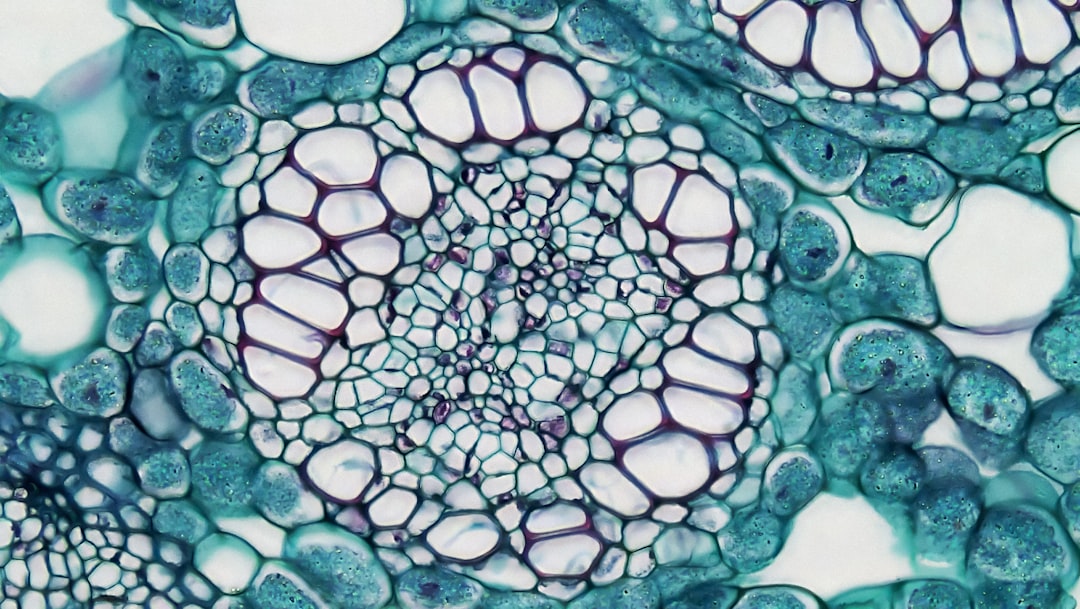
In a feat that sounds like science fiction, researchers at the National University of Singapore have successfully transplanted the photosynthetic machinery from spinach plants into mouse eyes—and it works. The technology reversed corneal damage from dry eye disease within five days, outperforming existing medications.
The approach is elegantly simple: harvest the light-capturing proteins that evolution spent millions of years perfecting in plants, package them into nano-sized droplets, and deliver them as eye drops. When exposed to ordinary indoor light, these botanical transplants produce NADPH—a protective molecule that dry eye disease depletes.
Associate Professor David Leong Tai Wei from the Department of Chemical and Biomolecular Engineering led the team. Their creation, called LEAF (Light-reaction Enriched thylakoid NADPH-Foundry), uses particles extracted from spinach that are roughly 400 nanometers across. Published in the journal Cell, the research shows these particles increase NADPH levels approximately 20-fold and reduce harmful hydrogen peroxide by over 95%.
Now, before you get too excited about photosynthesizing humans: this is still preclinical research. The team tested the drops on patient tear samples and mouse models, with safety assessments showing no adverse effects over two months. But the leap from mice to humans is notoriously difficult—many promising lab results stumble at that stage.
That said, the need is real. Dry eye disease affects over 1.5 billion people globally, causing corneal scarring, chronic pain, blurred vision, and light sensitivity. Current treatments like Restasis® work but come with high costs and side effects.
What makes this approach particularly clever is that it works by two mechanisms simultaneously: restoring NADPH levels within 30 minutes of light exposure while suppressing reactive oxygen species and shifting immune cells from pro-inflammatory to anti-inflammatory states. It's like giving your eye's natural defense system a turbo boost powered by sunlight.
The team is planning clinical trials for validation. Beyond dry eyes, they see potential applications in treating other oxidative stress-related conditions in light-accessible tissues—the retina, skin, even skeletal muscles. The universe doesn't care what we believe, but evolution has already solved the problem of capturing light energy. Sometimes the best innovation is recognizing when nature got there first.