Germany is positioning itself at the forefront of Europe's push for independent space access, developing launch capabilities that could challenge American and Chinese dominance in the rapidly expanding commercial space sector—and potentially reshape the competitive landscape that has been dominated by SpaceX and state-backed Asian programs.
The initiative comes as European space agencies and governments grapple with a strategic vulnerability: the continent's reliance on foreign launch providers following the retirement of Ariane 5 and delays in Ariane 6 development. While France has traditionally led European space efforts through Arianespace, Germany's emergence signals a more distributed approach to continental launch infrastructure.
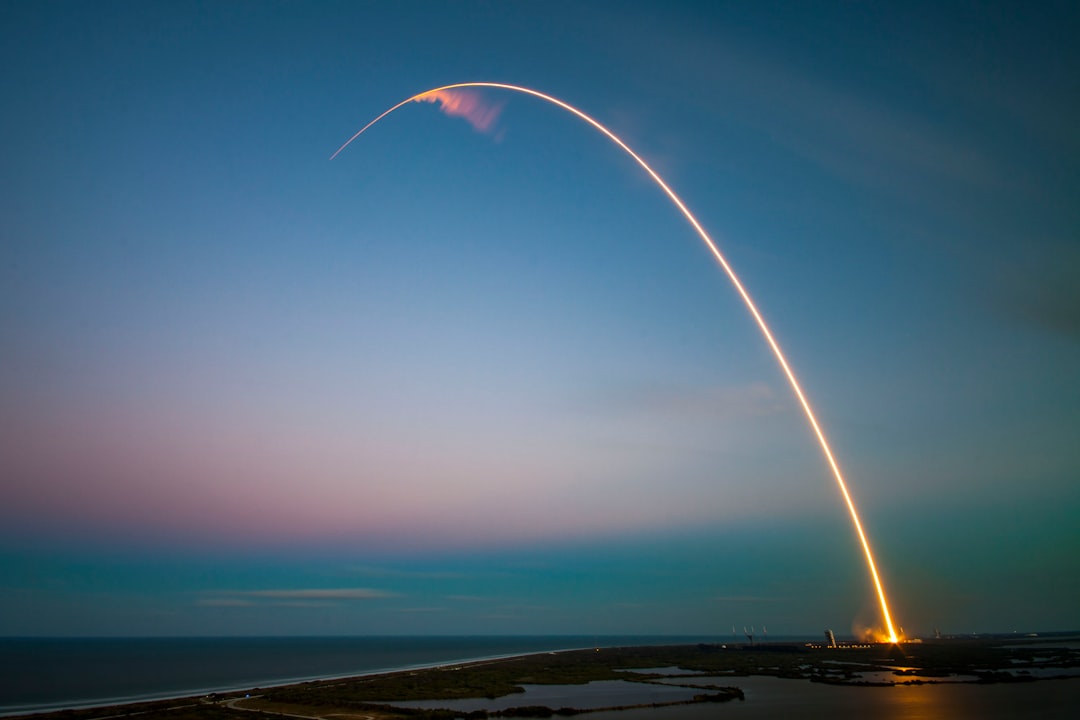
German aerospace companies and government agencies are investing in next-generation launch technologies, including reusable rocket systems and small satellite launchers designed to compete in the growing market for LEO constellation deployment. The effort reflects lessons learned from watching SpaceX revolutionize launch economics through reusability, vertical integration, and rapid iteration.
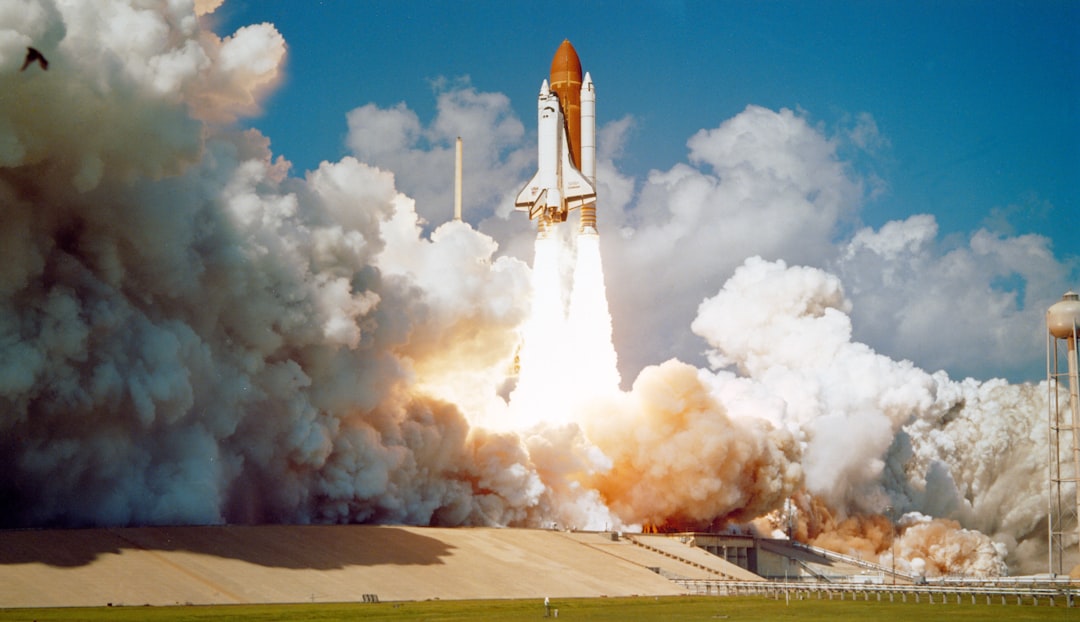
"Europe cannot afford to depend entirely on external providers for access to space," European space policy experts have emphasized. Current European missions often fly on American rockets—primarily SpaceX Falcon 9—or face delays waiting for Ariane 6 availability. This dependency creates both strategic vulnerability and economic disadvantage, as European space budgets fund American and Asian launch providers rather than domestic industry.
Germany's approach emphasizes commercial competitiveness alongside strategic autonomy. Rather than simply replicating government-led programs like the traditional Ariane architecture, German initiatives are encouraging private sector innovation with models closer to SpaceX's commercial focus. This includes support for companies developing small launch vehicles for the burgeoning market in dedicated rideshare missions and constellation deployment.
The timing is critical. China has made dramatic progress in launch capabilities, with state-owned and increasingly commercial Chinese launch providers conducting over 60 missions annually—second only to the United States. Meanwhile, India, Japan, and South Korea have demonstrated independent launch capabilities, and American commercial providers like SpaceX, Rocket Lab, and emerging competitors are capturing global market share.
In space exploration, as across technological frontiers, engineering constraints meet human ambition—and occasionally, we achieve the impossible. Germany's push for launch capability combines European coordination through the European Space Agency with national investment in German aerospace companies, creating a hybrid model that could prove more agile than traditional international programs.
The initiative also reflects broader European concerns about technological sovereignty. Just as the EU has prioritized independent capabilities in semiconductor manufacturing, digital infrastructure, and defense systems, space access is increasingly viewed as a critical technology that cannot be entirely outsourced. The lessons of supply chain vulnerabilities during the COVID-19 pandemic and geopolitical tensions have reinforced this strategic calculus.
German launch development focuses on several niches: small satellite launchers for the commercial market, specialized upper stages for Ariane 6 that could be manufactured domestically, and early-stage research into reusable systems. While these capabilities won't immediately match SpaceX's Falcon 9 or China's Long March family, they represent incremental progress toward European launch independence.
The commercial space market is projected to exceed $1 trillion by 2040, with launch services forming the foundation of satellite communications, Earth observation, navigation, and space-based services. European governments recognize that without competitive launch capability, the continent risks becoming a customer rather than a supplier in this expanding economy—importing services rather than exporting technology and creating high-skilled jobs domestically.
Germany's space infrastructure development also positions the country for emerging markets in space manufacturing, satellite servicing, and even lunar logistics as NASA's Artemis program and international partners plan sustained lunar presence. Launch capability enables participation in these markets; without it, European companies and researchers face dependency on foreign providers with potentially conflicting strategic priorities.
The initiative represents a calculated bet that Europe—led by Germany's industrial base and engineering expertise—can develop cost-competitive launch systems by learning from both SpaceX's commercial success and the execution challenges that have delayed traditional programs. Whether this approach can overcome the inherent advantages of established providers remains to be seen, but the strategic imperative for European space independence has never been clearer.