
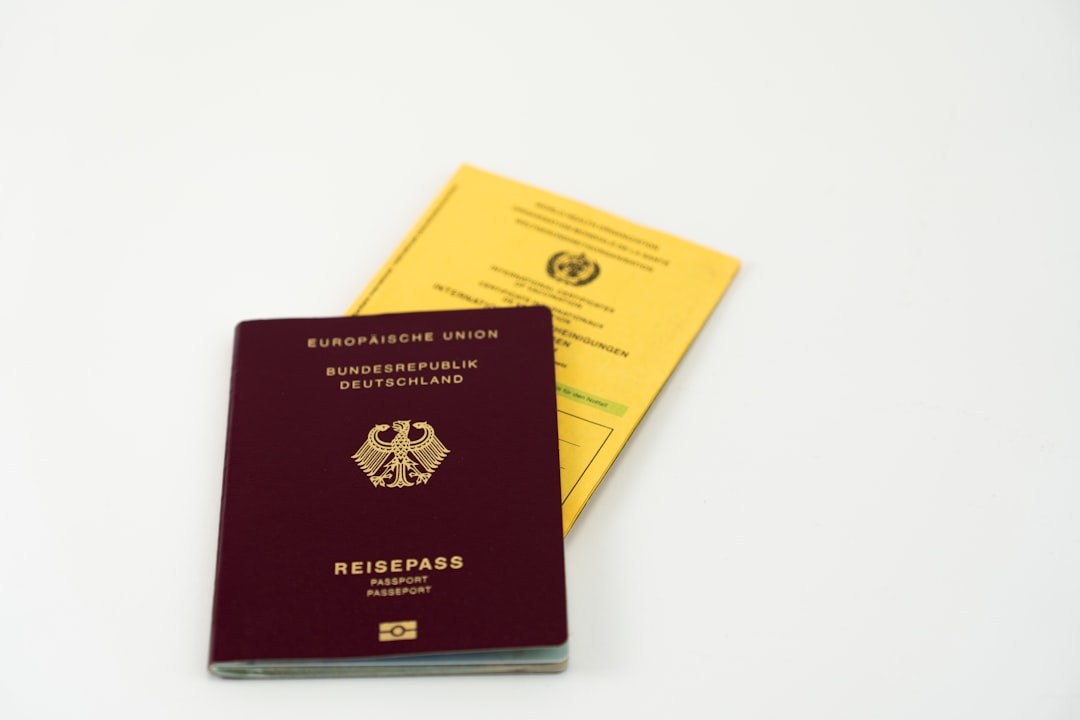
The number of multiple-entry Schengen visas issued to Russian citizens has plummeted 90 percent in early 2026 compared to the same period last year, according to Russia's Association of Tour Operators, deepening the isolation of ordinary Russians from Europe.
Some tour operators report even steeper declines. One major company cited a 99 percent reduction, with certain firms receiving virtually no multiple-entry visas for customers in the first quarter of this year.
Rather than the multi-year, multiple-entry visas that once allowed Russians to travel freely across the Schengen zone, applicants now receive highly restrictive alternatives. Between 50 and 60 percent of successful applicants receive double-entry visas, primarily for cruise holidays. Others receive single-entry visas valid only for specific trip durations.
Consulates in Italy, France, Spain, and Greece have implemented the most restrictive practices. Only Russians with established travel histories to France, Italy, and Hungary may occasionally receive double-entry visas with extended validity periods.
The European Commission tightened visa restrictions in November 2025, requiring Russians to apply for new visas with each European visit. Limited exceptions exist for journalists, human rights defenders, and relatives of EU residents, categories that affect a small fraction of would-be travelers.
For ordinary Russians—families hoping to visit relatives abroad, students seeking European education, professionals attending conferences, and dissidents fleeing political pressure—the restrictions represent practical barriers and mounting costs. Each visa application requires fees, documentation, and often travel to distant consulates in a country where European diplomatic facilities have sharply reduced their presence.
In Russia, as in much of the former Soviet space, understanding requires reading between the lines. The visa restrictions serve multiple purposes beyond their stated security rationale. They function as collective punishment for government actions most Russians did not choose, while simultaneously reinforcing the Kremlin's narrative of Western hostility toward Russian citizens.