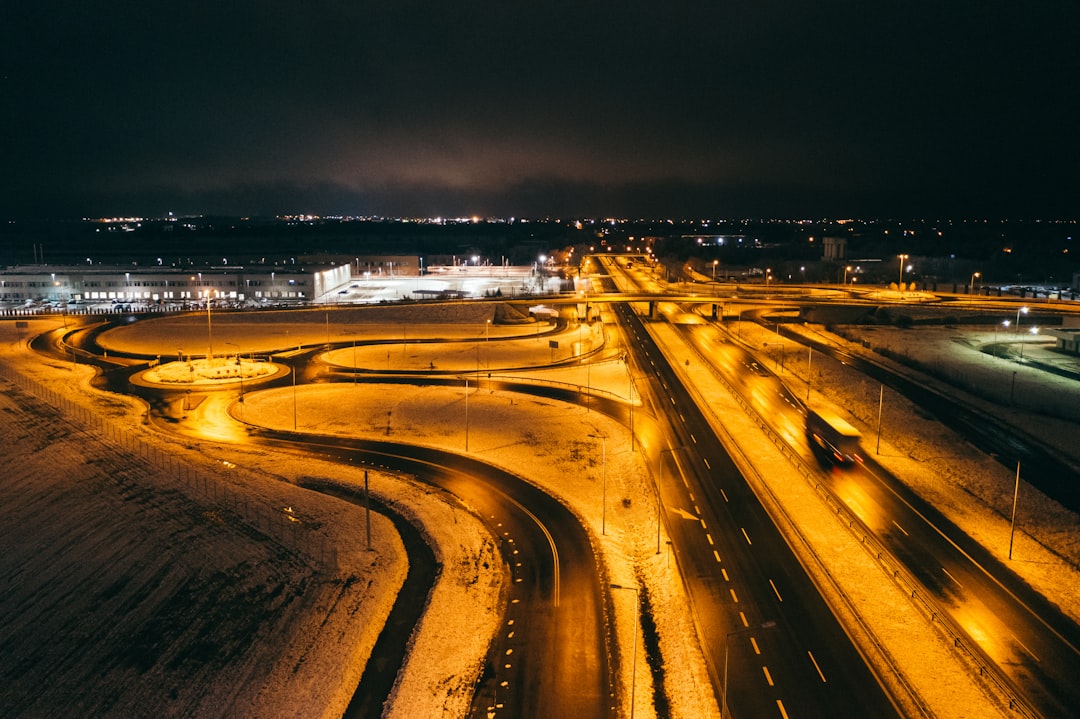
Residents near major New Zealand state highways are reporting an eerie phenomenon: heavy truck traffic has virtually disappeared overnight in recent weeks, raising questions about what's happening in the country's freight sector and broader economy.
"I live near a state highway and have a truck stop next door," wrote one New Zealand resident on social media. "Usually at night I hear a constant stream of heavy trucks passing by and 3 or 4 minimum heading into the truck stop. Over the past few weeks I have been hearing nothing at night. No trucks at all."
The observation has sparked concern among New Zealanders who remember the last time their highways went this quiet - during COVID-19 lockdowns, when the economy ground to a halt. But this time, there's no lockdown. No obvious explanation. Just silence where there should be the rumble of commerce moving through the night.
Mate, when the trucks stop moving, that's not a good sign. Freight volumes are one of the most reliable leading indicators of economic activity. If goods aren't being transported, they're not being bought, sold, or manufactured. And that points to something seriously wrong in the New Zealand economy.
An economy under pressure
New Zealand has been facing significant economic headwinds. High interest rates, persistent inflation, and weak consumer confidence have combined to create a challenging environment. Retail spending has declined, businesses have been cutting costs, and the housing market - long a driver of Kiwi wealth - has cooled significantly.
But the disappearance of night freight traffic suggests something more acute than a general slowdown. Night trucking is typically used for long-haul routes and time-sensitive freight - the backbone of inter-regional commerce. If those routes have gone quiet, it implies a sharp contraction in economic activity.
Several explanations have been proposed by online commenters and industry observers. Some suggest fuel costs have made night operations uneconomical for smaller freight companies. Others point to retailers reducing inventory in response to weak demand, meaning fewer goods need to be transported.