Satellite monitoring has exposed massive methane leaks from oil and gas operations worldwide, revealing invisible emissions that are accelerating global heating at a rate far exceeding official industry reports, according to a Guardian investigation.
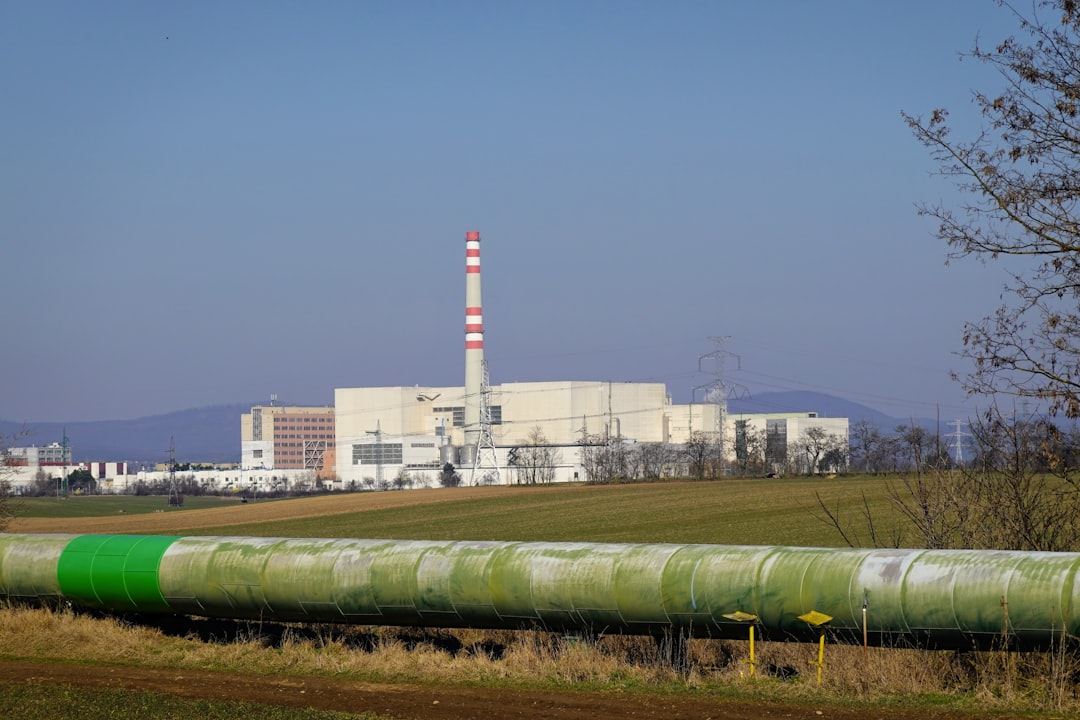
The analysis, using data from advanced methane-detecting satellites, identified dozens of mega-leak events at fossil fuel facilities across Turkmenistan, Russia, Kazakhstan, and the United States. These leaks, often lasting for weeks or months undetected, release methane at rates equivalent to millions of tonnes of carbon dioxide.
Methane is approximately 80 times more potent than CO2 over a 20-year period, making these emissions particularly devastating for near-term climate stability. The satellite data shows leak rates far exceeding what companies report to regulators, revealing a critical accountability gap in fossil fuel industry emissions monitoring.
Dr. Itziar Irakulis-Loitxate, a methane scientist at the Polytechnic University of Valencia, told the Guardian that the findings demonstrate "the magnitude of the problem we're facing with unreported emissions." Many of the mega-leaks occurred at facilities that companies claimed were operating normally.
In climate policy, as across environmental challenges, urgency must meet solutions—science demands action, but despair achieves nothing. The breakthrough comes from new satellite technology that enables independent verification of emissions, removing the fossil fuel industry's monopoly on reporting its own pollution.
The investigation identified particularly severe leaks at Turkmenistan's aging gas infrastructure, where a single facility leaked continuously for over three months, releasing methane equivalent to the annual emissions of entire countries. Russia's oil and gas operations in Siberia also featured prominently, with multiple facilities showing persistent leak patterns.