Samsung Electronics is facing something the company has never experienced in its decades dominating the smartphone market: an annual loss in its mobile division.
The culprit isn't competition from China or a collapse in demand. It's cannibalization—by Samsung's own semiconductor business.
According to reports from Ars Technica, Samsung executives are increasingly concerned that the company's smartphone division could post negative results for the full year as the AI-driven memory shortage diverts critical components to higher-margin chip sales.
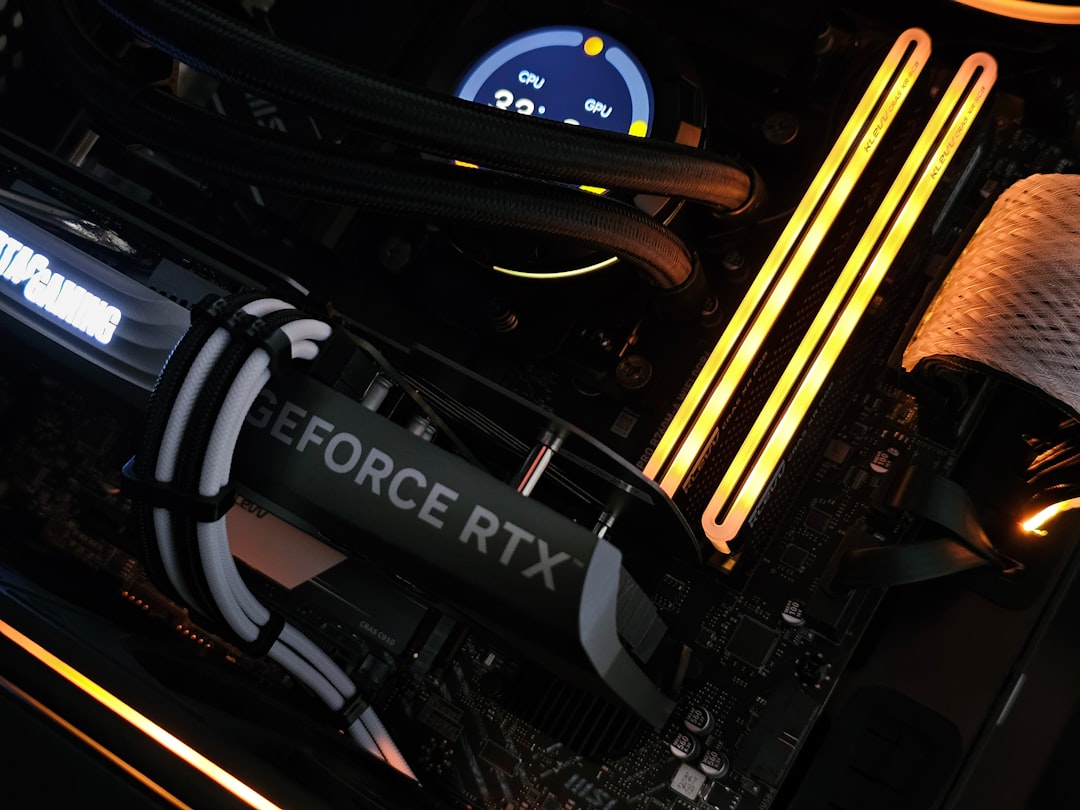
Here's the business dynamics at play: Samsung manufactures high-bandwidth memory (HBM) chips used in AI accelerators. Demand for these chips has exploded as companies build out AI infrastructure. Nvidia, Microsoft, and Google are all desperate for HBM supply, and they're paying premium prices.
Those same memory components also go into Samsung's flagship smartphones. But the margin difference is substantial. AI memory chips command significantly higher prices and profit margins than consumer-grade DRAM for phones. When supply is constrained, Samsung has to make a choice.
They're choosing chips over phones. It's a rational business decision that happens to gut their consumer electronics division.
The smartphone business isn't collapsing—it's being deprioritized. Samsung is still selling millions of Galaxy devices globally, but component shortages are forcing the company to either accept lower margins on phones or reduce production volumes. Both options hurt the bottom line.
This would be the first annual loss in Samsung's smartphone division history—a business unit that has been one of the company's most reliable profit centers for over a decade. The division has weathered Chinese competition, component shortages, and even a product recall crisis without posting annual losses.
The irony is rich: Samsung makes more money selling components for AI infrastructure than it does selling the consumer devices that made it a household name. The company is essentially betting that enterprise AI spending will outlast consumer electronics margins.
From a shareholder perspective, it's probably the right call. AI infrastructure spending is measured in hundreds of billions globally. The smartphone market is mature, competitive, and commoditizing. If you can only make so many memory chips, selling them to Silicon Valley data center builders makes more financial sense than putting them in phones.
But it's a stark illustration of how the AI boom is reshaping corporate priorities. Consumer businesses that took decades to build are being subordinated to enterprise AI demand that emerged in less than two years. The companies that can pivot fastest win. The ones that can't—or won't—face obsolescence.